Make the landscape fit the property
A successful landscape investment starts with the property you have and the way you want to use it. A beautiful plant or patio photograph is a starting point, but your yard's light, drainage, space and maintenance needs determine what will work.
These four common planning mistakes can lead to avoidable rework. Resolve them before ordering plants or choosing finished materials.
1. No planning
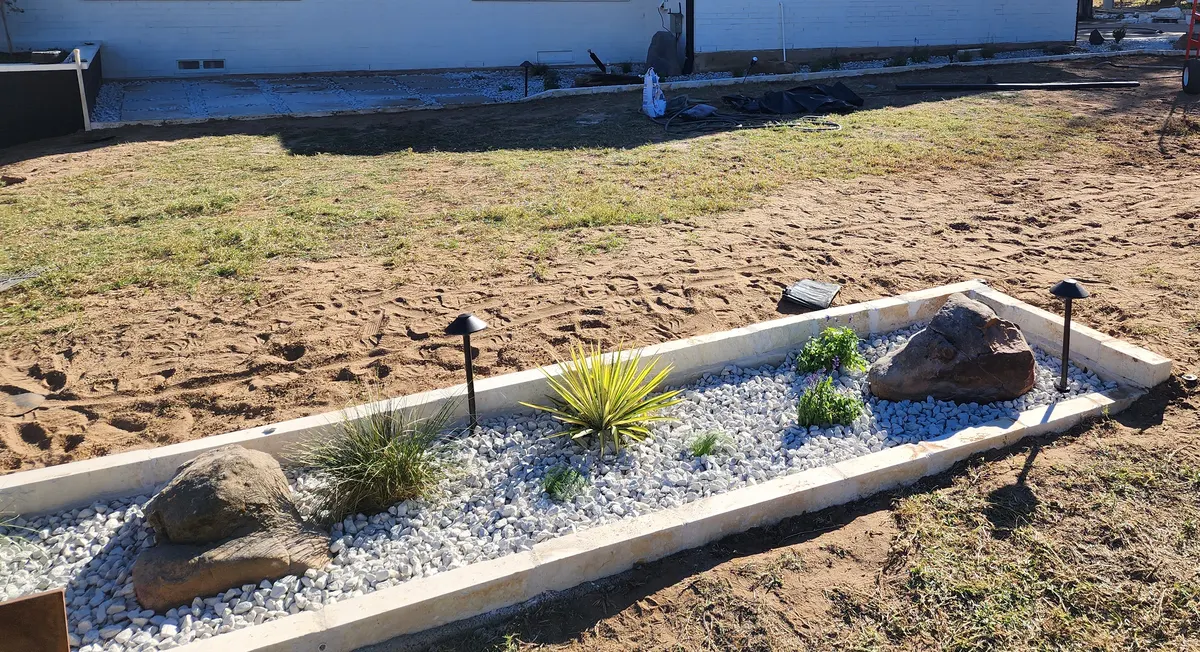
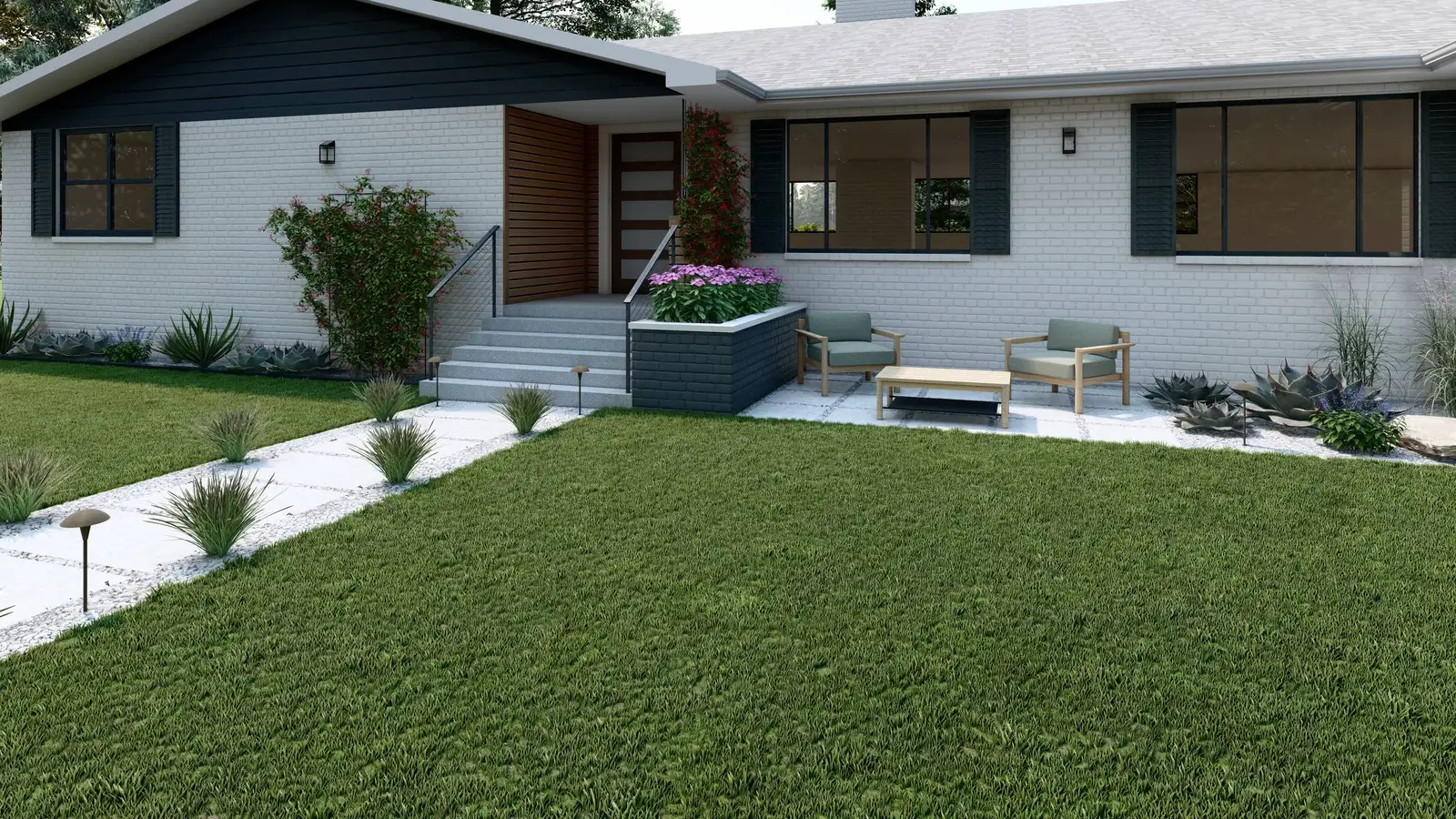
Before choosing features, decide what the project needs to accomplish. You may want a clearer entrance, room for outdoor seating, less demanding beds or a dry route to the side gate. Sketch how those uses fit together, then review slopes, sun and shade before settling on a layout.
Record where water collects, routes you use and what must stay accessible. Include utilities, gates, irrigation and existing trees. A design should address those constraints before materials are selected.
2. No set budget
A budget is one of the first things you should decide. You can create one that’s a range or dollar amount specific; it’s up to you. This will help you decide when the quotes from various landscaping companies arrive.
Another thing to consider is a budget for maintenance, especially if you don’t have time to maintain it yourself.
Ask whether estimates include removal, disposal, preparation, irrigation changes and restoration. Confirm design deliverables and fees separately; a free estimate does not define what drawings are included.
3. Choosing the wrong plants
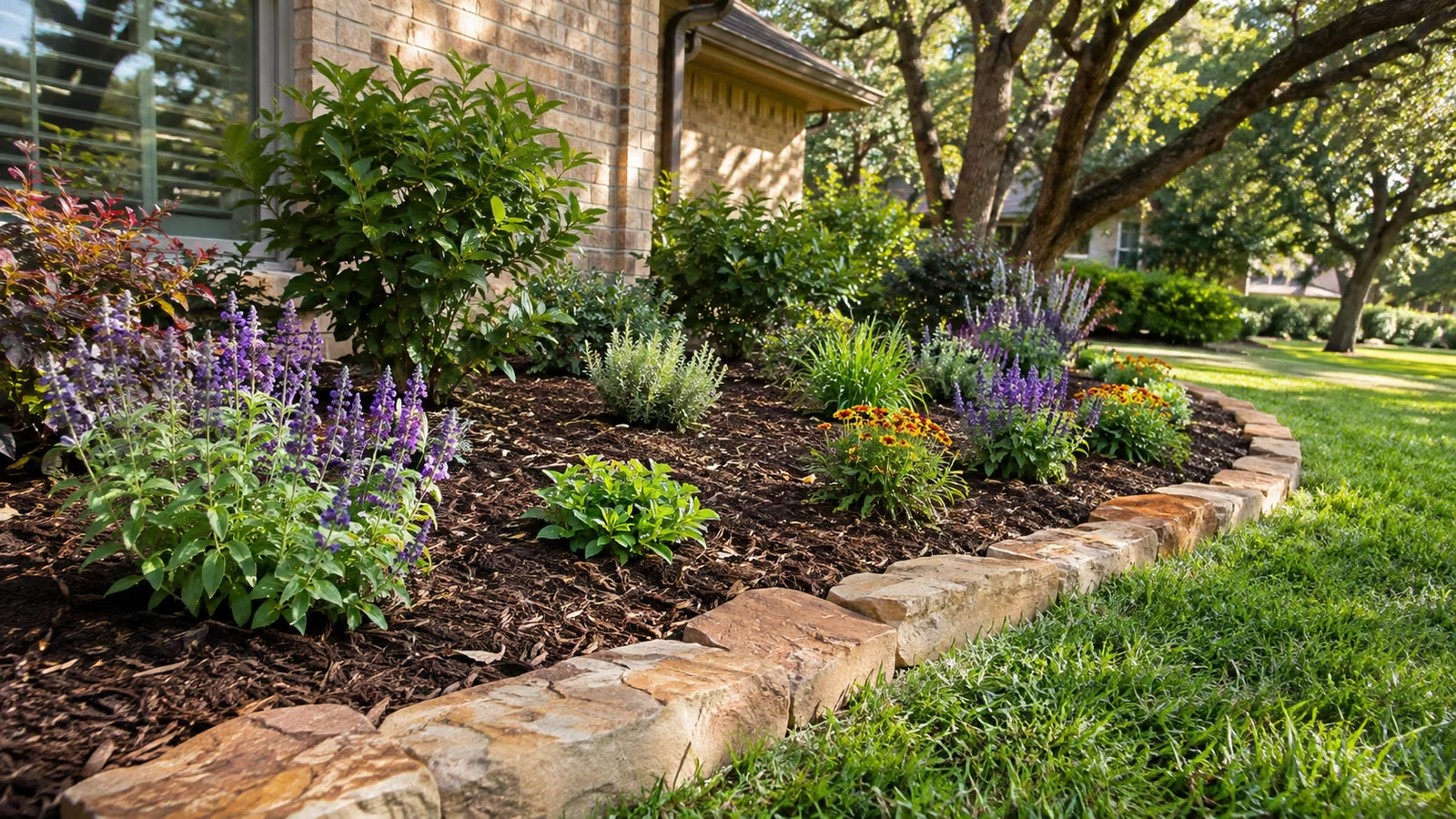
We all love certain flowers and plants for their color, texture, or even how they make us feel. But while the plants may look great initially, the environment may not allow them to thrive. Choose plants that are particularly suited to your area’s climate and soil conditions.
Research species and cultivar, not just native or drought tolerant. Match light, drainage and water needs, with room for mature height and width. A nursery-sized plant may be much smaller than the space it eventually needs.
4. Doing too much
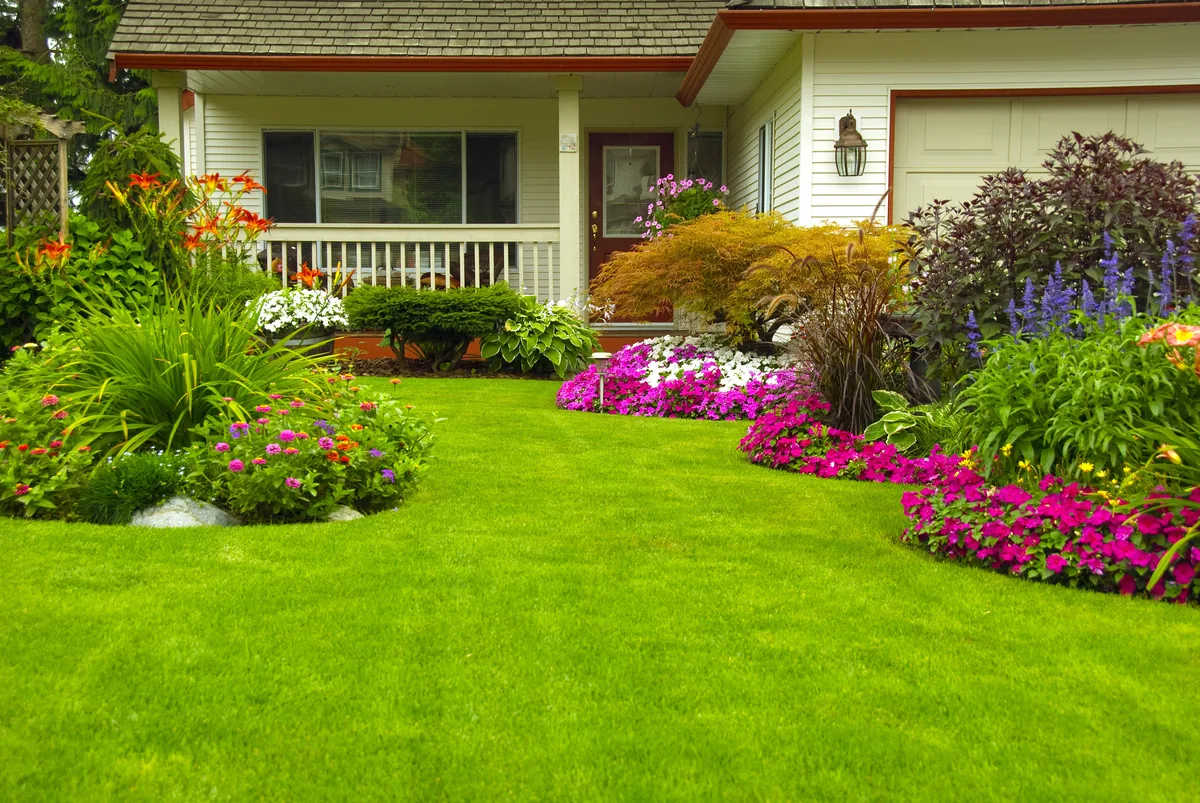
Another common mistake eager property owners make is not editing their wish list. This often results in an overcrowded yard where none of the intended features are prominent. Landscape design is based on a developing installation that, with maturity, is what you envision.
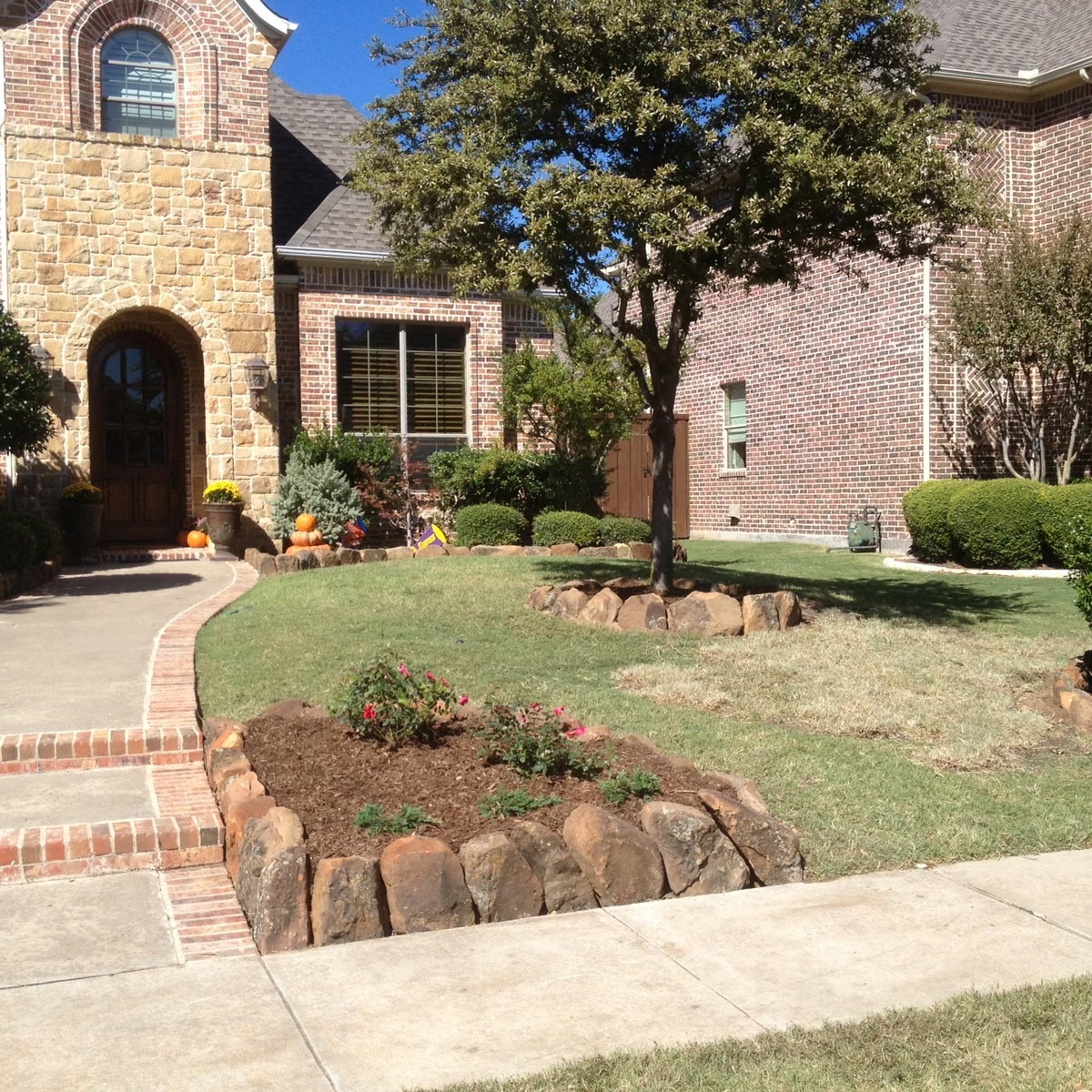
Choose colors and materials that complement the house. Keep the main route and focal point clear. Plan useful phases when the complete project exceeds the budget so later work does not undo the first phase.
Ask for a defined scope
A thoughtful plan, realistic budget and suitable plants give the project direction. Lawn & Landcare can discuss design and installation options. Compare written scopes and agree on changes before extending work.