Start with the yard, then the cultivar
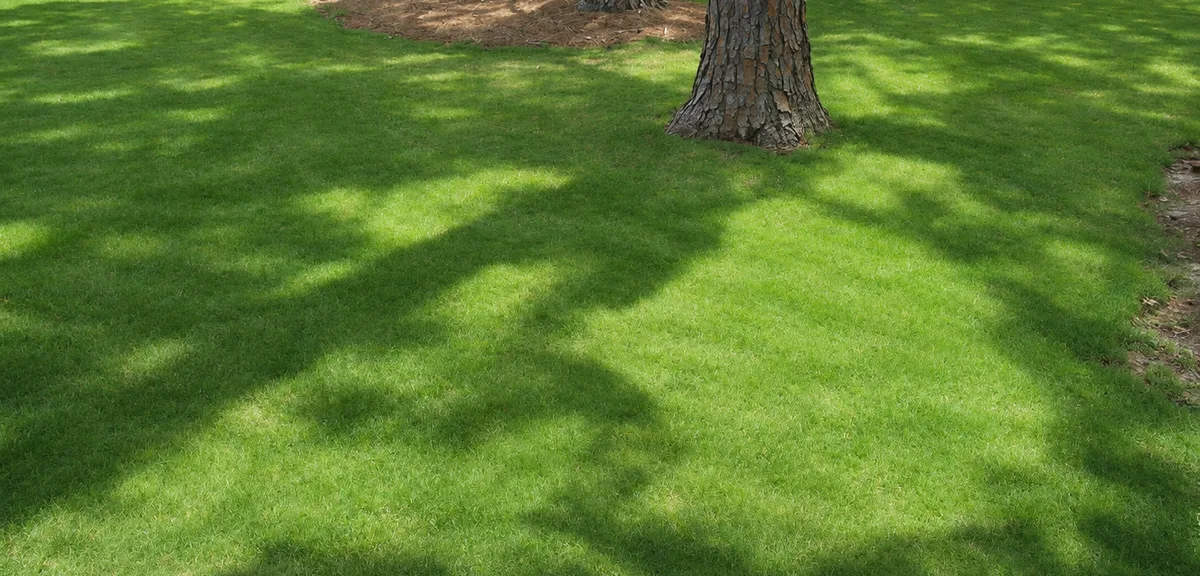
The best sod choice is the grass you can grow and maintain in the area being replaced. Begin with usable sunlight, drainage, irrigation, daily activity and mowing expectations. Color and texture help narrow the final choice, but they cannot compensate for a site that does not support the grass.
Observe how shade changes across the day and across seasons. A fence, building and tree canopy can affect different portions of the same lawn. Identify existing grass where new sod will meet it, and decide whether matching a retained area or renovating a complete section is the better goal.
Lawn & Landcare offers four Bermuda, three St. Augustine and five Zoysia choices, subject to suitability and availability. The list is a starting point for a site-specific recommendation, not a promise that every cultivar suits every North DFW yard.
Bermuda: start with sunny, active areas
Bermuda generally offers strong traffic tolerance and recovery when conditions support growth, but it needs abundant sunlight. Consider it first for open lawn areas, then discuss how the chosen cultivar will be mowed and maintained. A shaded side yard should not receive Bermuda simply because it matches the sunny front lawn.
- Tif 419, commonly called Tifway 419, is an established hybrid Bermuda option. Discuss its appearance and maintenance fit alongside the other choices rather than treating the familiar name as the automatic selection.
- TifTuf was developed through the University of Georgia's turfgrass breeding program with drought performance as a major strength. That characteristic does not remove establishment watering or determine a particular water bill.
- Celebration has a distinctive dark blue-green appearance and documented wear-recovery characteristics. Its relative shade performance within Bermuda does not make it suitable for deep shade.
- Tahoma 31, developed at Oklahoma State University, is known for improved cold tolerance. Evaluate that characteristic alongside light, use and upkeep; cold tolerance does not eliminate all winter injury.
St. Augustine: evaluate light and traffic together
St. Augustine generally tolerates more shade than Bermuda, but still requires adequate light and is less suited to heavy traffic. Its broader leaf texture produces a different look. Shade tolerance should never be interpreted as a solution for a lawn under continually dense cover.
Raleigh, Palmetto and Cobalt are the offered St. Augustine choices. If part of an existing lawn will remain, identify it before selecting replacement sod; grasses within the same species can differ in appearance.
Palmetto is selected for a finer texture within St. Augustine. Cobalt is a Texas A&M AgriLife release developed with drought performance as a prominent trait. Compare those characteristics with the site's conditions rather than choosing from a photograph or a broad promise of reduced watering. No cultivar removes the need to address poor drainage or inappropriate use.
Zoysia: compare texture and maintenance expectations
Zoysia includes both finer and broader-textured options, with cultivar-dependent shade tolerance. It may fit a lawn where its appearance and care requirements match the site, but it still needs usable light. Ask how the selected grass should be mowed and whether your intended maintenance arrangement can provide that finish.
Emerald, Zeon and Zorro are finer-textured options. Palisades has a broader, coarser leaf than those choices. Texture affects the lawn's appearance and should be considered alongside mowing requirements, site conditions and the amount of activity it will receive.
Shade King is also available to discuss. Review the specific supplied grass and its documented care needs during selection; its trade name alone should not be used to infer a shade threshold or superior performance at your property.
Bring the comparison back to the actual lawn. A fine texture is not automatically a better choice, and a dense stand does not mean the grass can withstand unlimited traffic without recovery.
Compare the whole installation
Once a short list is established, ask the estimate to name the selected cultivar and explain removal, preparation, grade or drainage work, irrigation adjustments and the area to be covered. Agree how any proposed substitution will be reviewed before delivery. A different cultivar can change the result even when the species stays the same.
Address why the previous lawn failed. A new grass may improve the match to sunlight or use, but it will not repair an irrigation leak or create an outlet for trapped water. Soil preparation should suit the property, existing roots and selected grass rather than follow a universal list of added materials.
Include establishment instructions and temporary limits on mowing and use. The finished surface needs time and appropriate conditions to root into the yard. Installation timing and aftercare should reflect actual growth conditions and local watering requirements.
Bring evidence that helps narrow the choice
Send Lawn & Landcare photographs of the whole area, notes on sun and shade, the reason for replacement and how the lawn is used. Mention pets, regular foot traffic and the mowing routine you expect. We can discuss a suitable sod choice and the preparation needed to give that choice a workable site.
Common questions
Should the new sod match the grass already in my yard?
Often that is useful when repairing only part of a lawn, but identify the existing grass and confirm it suits the area. Matching a struggling variety is not automatically sensible if shade, use or other conditions have changed.
Does a shade-tolerant cultivar work without direct sunlight?
No name or general shade rating establishes suitability for every dark area. Review the amount and quality of light at the actual site; some areas are better planned for a different landscape use.
Can the installer substitute another cultivar if my first choice is unavailable?
Discuss substitutions before delivery. Ask how the alternative changes texture, site fit and care, and confirm the selected cultivar in the installation scope rather than accepting an unnamed replacement.