Establish what you are taking over
When responsibility for a commercial property changes hands, the landscape contract is only part of the handoff. You also need to know what work is currently happening, what the grounds look like and which unresolved issues need a decision. Start with a joint site walk and a dated record before changing the maintenance plan.
Ask for the current signed scope, amendments, recent work orders and available irrigation records. Separate an approved project from a suggestion that never received approval. A proposal in a folder does not establish that the work was authorized or completed.
Match the contract to the ground
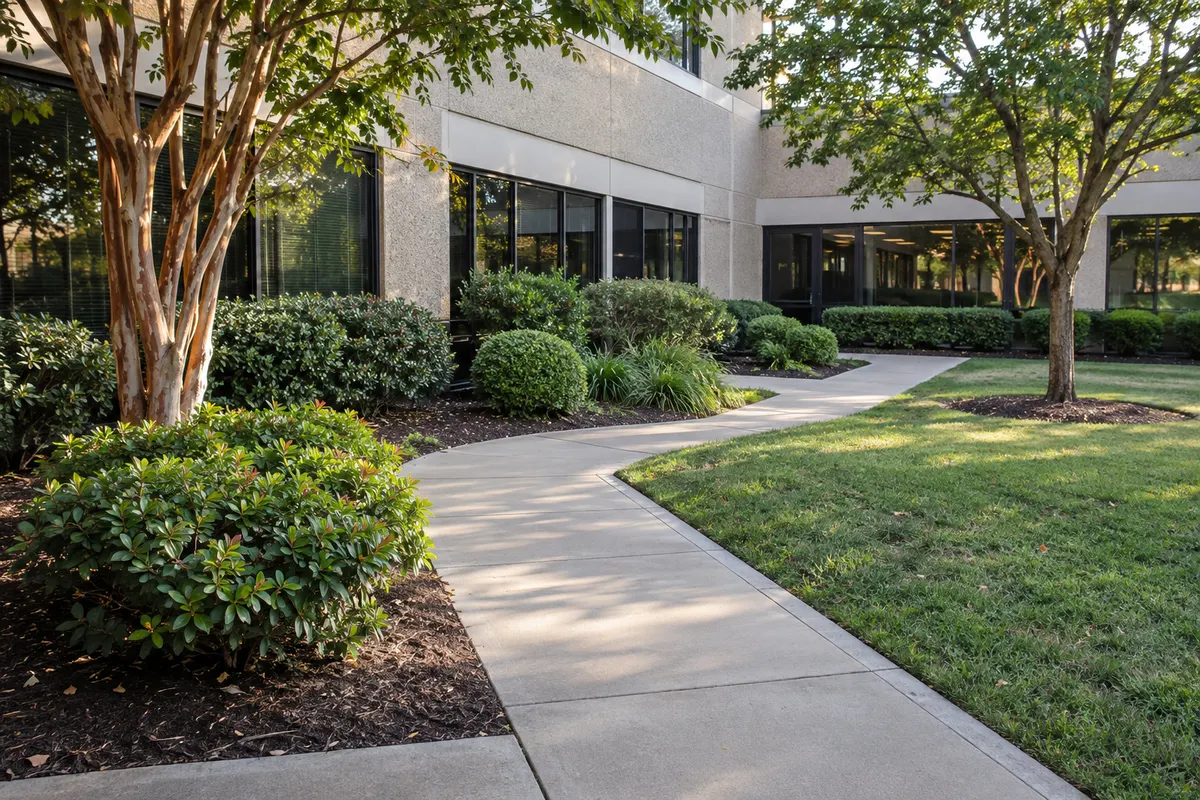
Mark the maintained boundary on a site plan, including parking islands, monument beds, service areas and shared spaces. Confirm which areas belong to tenants, the owner or another association. Compare this map with the contract instead of relying on the previous manager's shorthand description.
Then record the tasks associated with each area. A lawn may receive routine mowing while nearby shrubs, seasonal flowers and irrigation repairs have separate arrangements. Note any difference between the written scope and what people believe has been happening; resolve that difference before promising a change to occupants.
Create a dated condition record
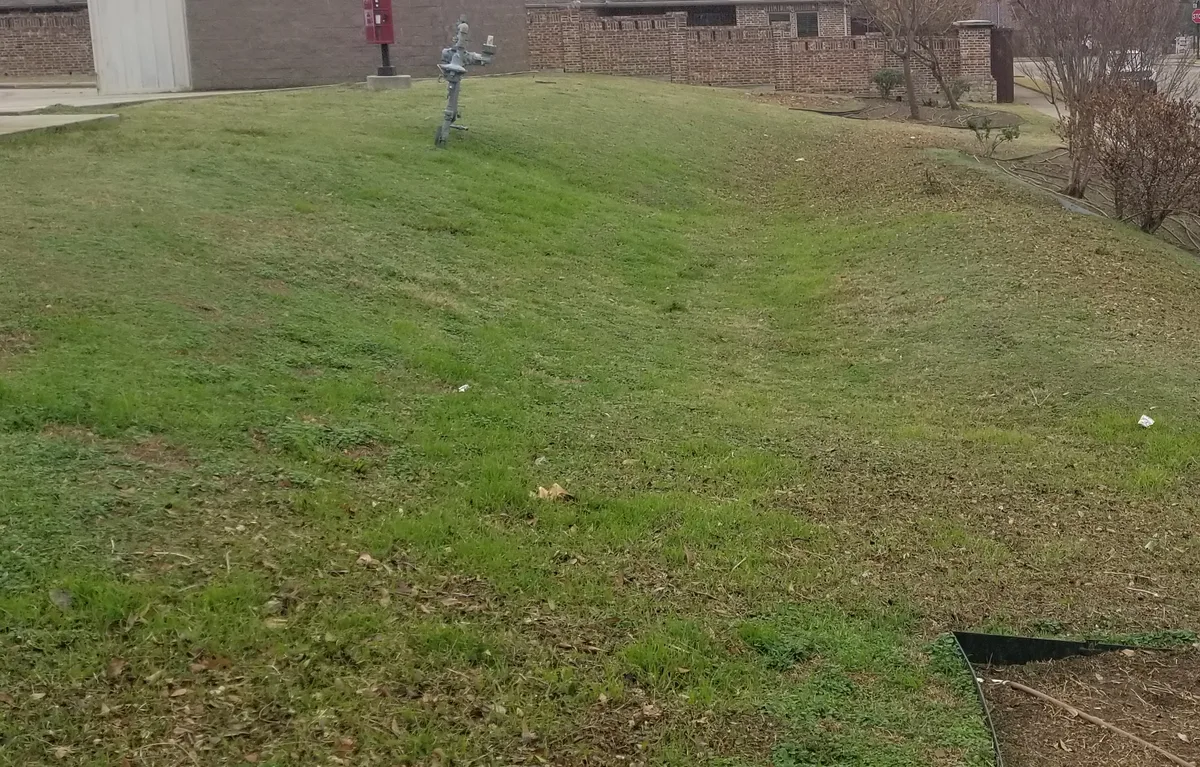
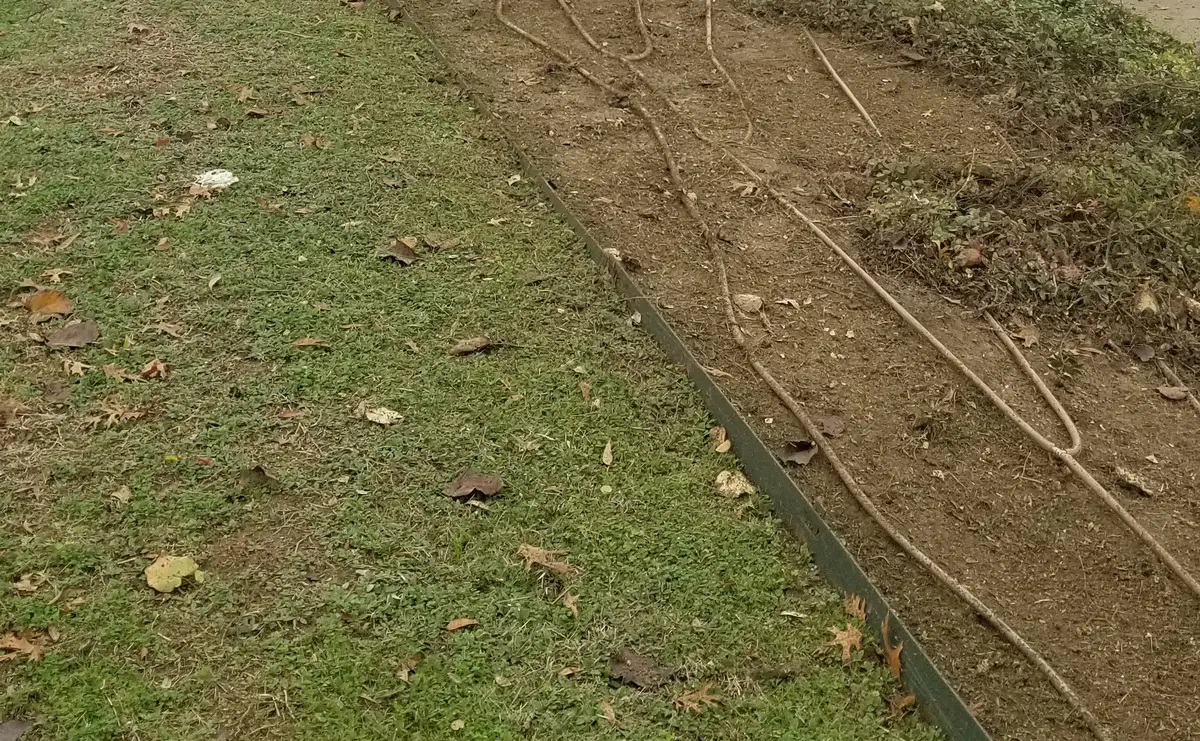
Photograph the same major viewpoints you will use for future reviews. Include thin turf, overgrown shrubs, damaged borders, muddy routes, blocked inlets and missing plants. Label observations without assigning a cause that has not been checked. For example, record a persistently wet bed rather than declaring that its irrigation valve has failed.
Organize the list by next action. An obstruction affecting an entrance needs a prompt management decision; a planting refresh may need design and budget approval. Keep planned improvements separate from work needed to meet the existing maintenance scope.
- Existing condition: location, photograph, date and what is visible.
- Open decision: information needed, responsible contact and approval status.
- Completed work: agreed scope, completion record and any continuing care instructions.
Make irrigation information usable
Locate the controller and available zone map. Record the model, station labels, known shutoff location and authorized access arrangements. Ask for the current watering schedule and recent repairs, including changes made for new planting. A controller setting alone does not show whether every area receives appropriate coverage.
If the system has remote control, arrange account access through the property's authorized process. Confirm who owns the account and who may change schedules. Manufacturer requirements vary, so check the actual equipment before assuming that a new manager can simply connect a phone or replace an accessory.
Request a review when zone labels are unclear, wetness continues between cycles or the landscape has changed. Lawn & Landcare can assess an existing commercial irrigation system even when we did not install it.
Choose a focused first review
Use the first review to confirm service boundaries, close information gaps and decide which outstanding items need a separate estimate. Avoid commissioning a complete redesign simply because the records are incomplete. A condition review may show that routine care, an irrigation repair or a focused bed renovation addresses the immediate concern.
Send Lawn & Landcare the property address, maintained-area map, current scope and the issues you want reviewed. Our office follows up within one business day to discuss the property and next step. A clear handoff lets ongoing care and future improvements start from the same accurate record.
Common questions
What if the previous manager left no irrigation map?
Provide the controller location, any known zone labels and recent repair information. Ask for the system to be reviewed and the missing information identified; do not treat guesses about stations or shutoffs as a reliable operating record.
Should I change landscape providers immediately after taking over?
First compare the current agreement, actual condition and outstanding concerns. That gives you a basis for discussing corrections or preparing a replacement scope without losing useful knowledge about the property.
How should I handle work the former manager discussed but never approved?
Keep it on the open-decision list. Confirm the current scope, estimate and approving authority before treating it as scheduled work, especially where the site's condition or priorities have changed.