Start with the same work on both sides
A lower monthly price is useful only when you know what it leaves in and what it leaves out. Two commercial landscape proposals can describe the same address while covering different beds, visit patterns and seasonal tasks. Before choosing a provider, put the proposals beside a marked property map and compare the actual responsibilities.
Create one comparison sheet with a row for each task and a column for each proposal. Use plain entries such as included, separately quoted or needs clarification. A blank entry should become a question, not an assumption that the work is included. This also gives the manager a useful reference after service begins.
Confirm the areas that count
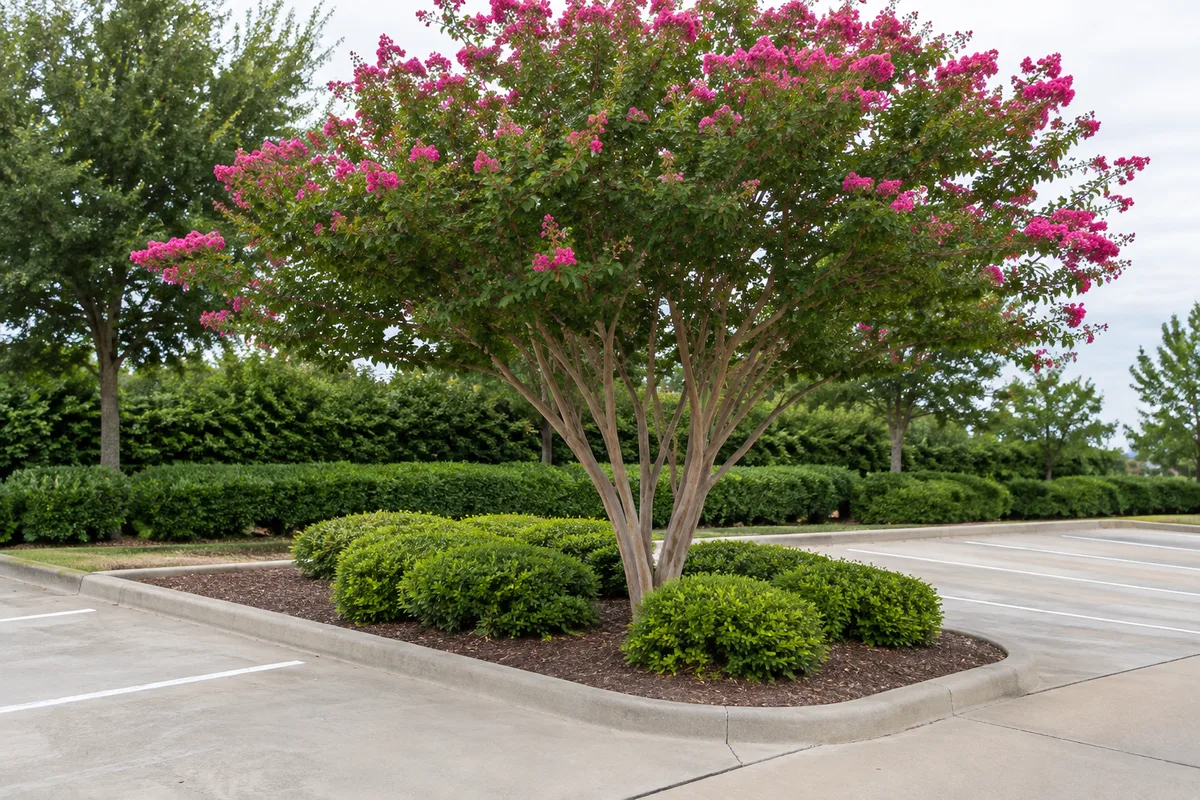
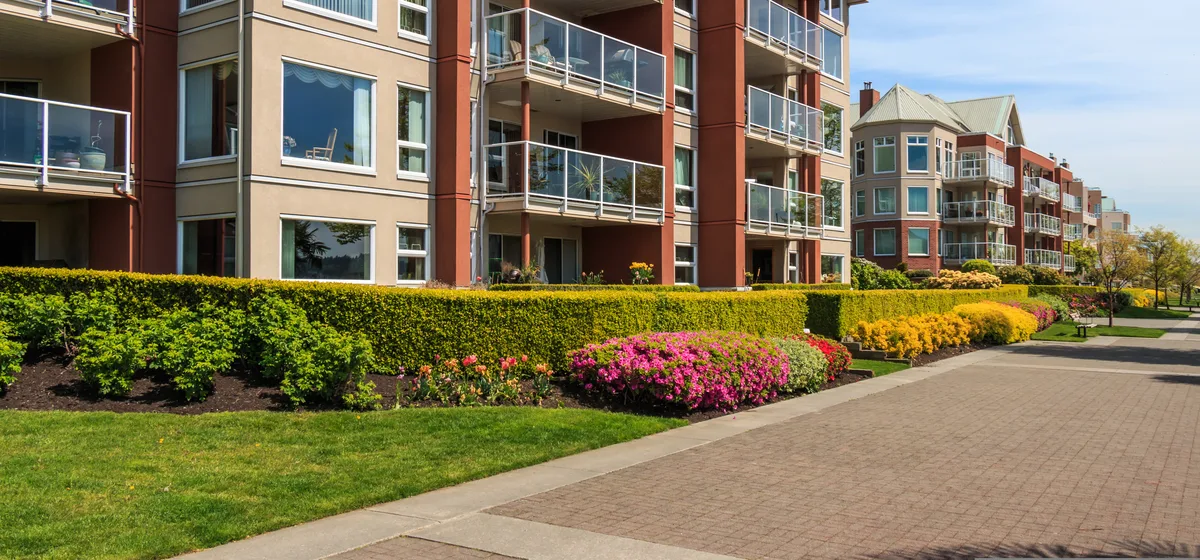
Walk the boundaries on the map. Include parking islands, frontage, entrance beds, courtyards and shared lawn only where they belong to your maintenance responsibility. Identify tenant-maintained spaces, neighboring land and areas handled by another vendor. Even a small omitted entrance bed can make the overall property look unfinished.
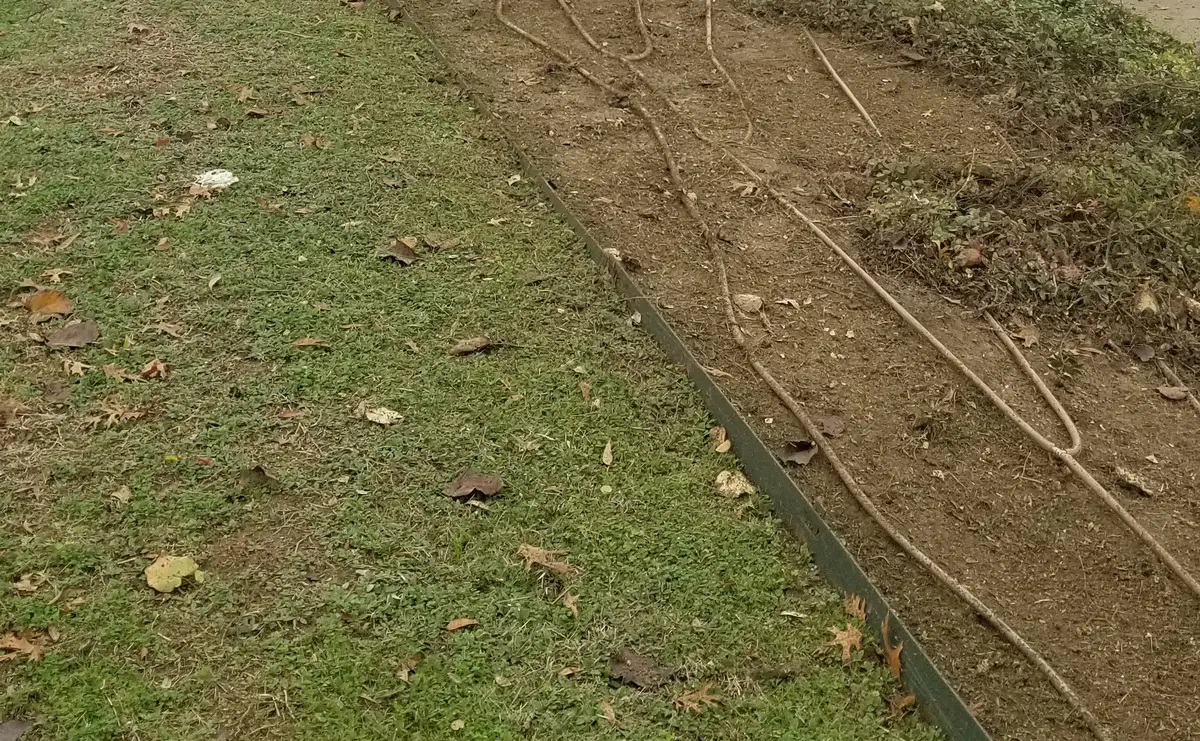
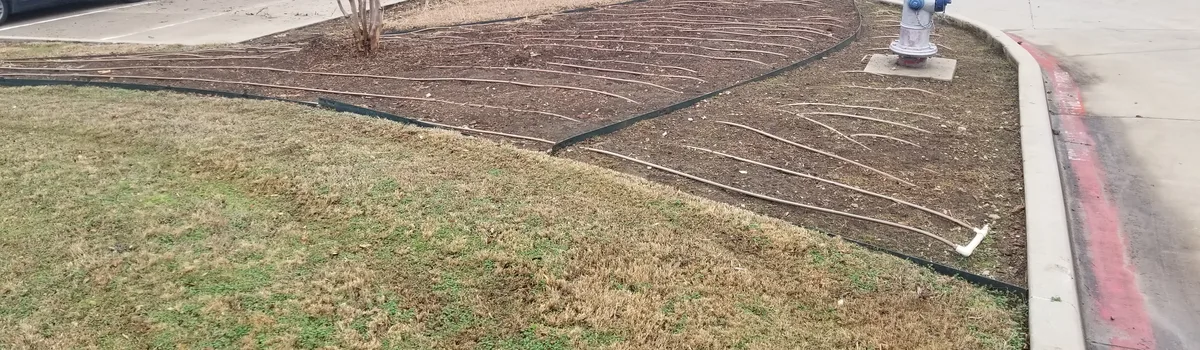
Check whether the scope distinguishes lawn, planted beds, tree rings and decorative rock areas. They need different work. Give every bidder the same marked version so an area correction does not reach only one company.
Compare frequency by task, not just by visit
A maintenance visit does not mean every task occurs that day. Mowing, shrub trimming, leaf removal and seasonal planting have different needs. Ask each proposal to explain its seasonal approach and which tasks are recurring, occasional or separately authorized.
Do not judge pruning simply by how often it appears on a schedule. Plant type, flowering, mature form and the desired finish affect the work. A proposal should describe the intended result clearly enough that both the manager and provider can recognize it.
- Lawn: mowing, string trimming, edging and removal of clippings from agreed hard surfaces.
- Beds: weed management, shrub care and cleanup, with the covered areas identified.
- Seasonal work: leaf removal, mulch and color changes, showing whether each is included.
Give irrigation and treatments their own rows
Observing a broken sprinkler is different from inspecting every zone, changing the controller or repairing the system. Identify who reports visible problems, who requests irrigation service and who can approve repairs. A dry patch is a reason to investigate coverage and conditions, not an automatic instruction to increase all watering.
Similarly, do not read lawn care as a promise that every fertilizer, weed, insect and disease treatment is included. Ask for the areas and treatment scope in writing. Product-specific application and access instructions belong with any treatment that is actually selected.
Compare exclusions and the change process
Make a separate list for replacement plants, major cleanup, drainage work and landscape improvements. Ask what condition would move an issue outside routine maintenance, how that work would be quoted and who must approve it. This is particularly useful when a property already has neglected beds or failed plants.
Read the proposed service term, invoicing arrangements, renewal and cancellation provisions in the actual documents. Request clarification of differences before choosing. The landscape scope and your organization's commercial review both matter; a verbal understanding should not be the only record of an important obligation.
Agree how concerns will become decisions
Choose a property contact and a backup, and state how photographs, access problems and proposed extra work should be shared. Ask how changes caused by weather or site access will be communicated. These arrangements need agreement; do not infer a fixed service day or response time from a general sales description.
Send Lawn & Landcare your marked site plan, current task list and the priorities that are being missed. We can discuss a commercial maintenance scope that separates recurring work from seasonal tasks and larger projects, giving you a practical basis for comparing the proposal.
Common questions
How do I compare a proposal that bundles everything with one that lists separate items?
Ask both providers to confirm the same task-and-area checklist. Mark which seasonal tasks, treatments and irrigation work are covered, and request pricing clarification for omitted work before comparing the total commitment.
Should an initial cleanup be part of the monthly maintenance price?
It can be included or quoted separately, but the proposal should say which. Identify the starting condition and the work needed to bring the property into routine care so the first month does not carry an unstated expectation.
What should I do when two proposals show different maintained areas?
Resolve the boundary difference first. Send both providers the corrected map and ask for written confirmation of the revised scope; otherwise, the price comparison still measures different work.