Give planted beds their own scope
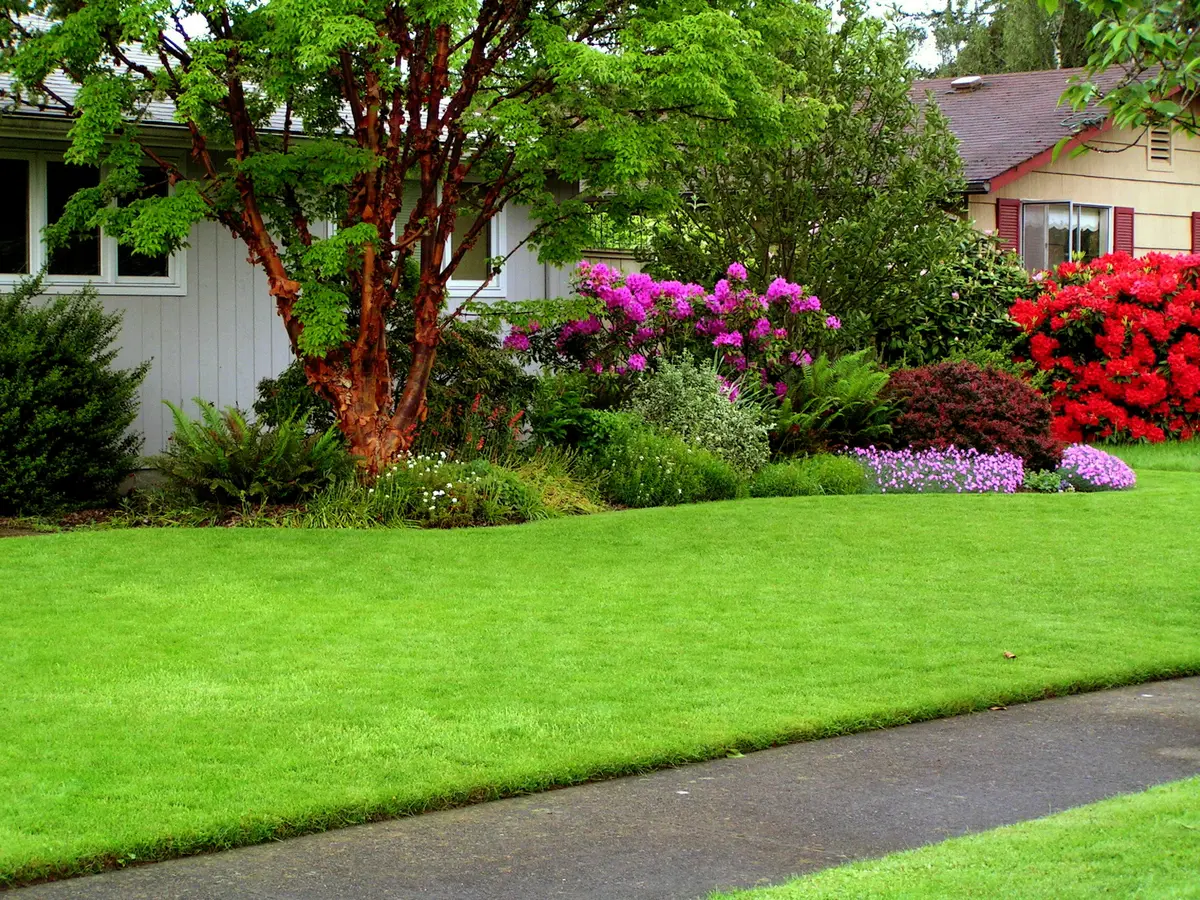
A well-kept lawn does not automatically produce well-kept flower beds. Beds need attention to weeds, plant shape, fallen material, mulch and the changing needs of seasonal flowers. If the front entry or patio garden is a major part of your landscape, describe its care separately from mowing.
Begin by naming the beds to be maintained and the look you want to preserve. A formal hedge, a mixed perennial border and a display of annual flowers need different decisions. Photographs of each area help turn a broad request for tidiness into a useful scope.
Define weed removal and edge maintenance
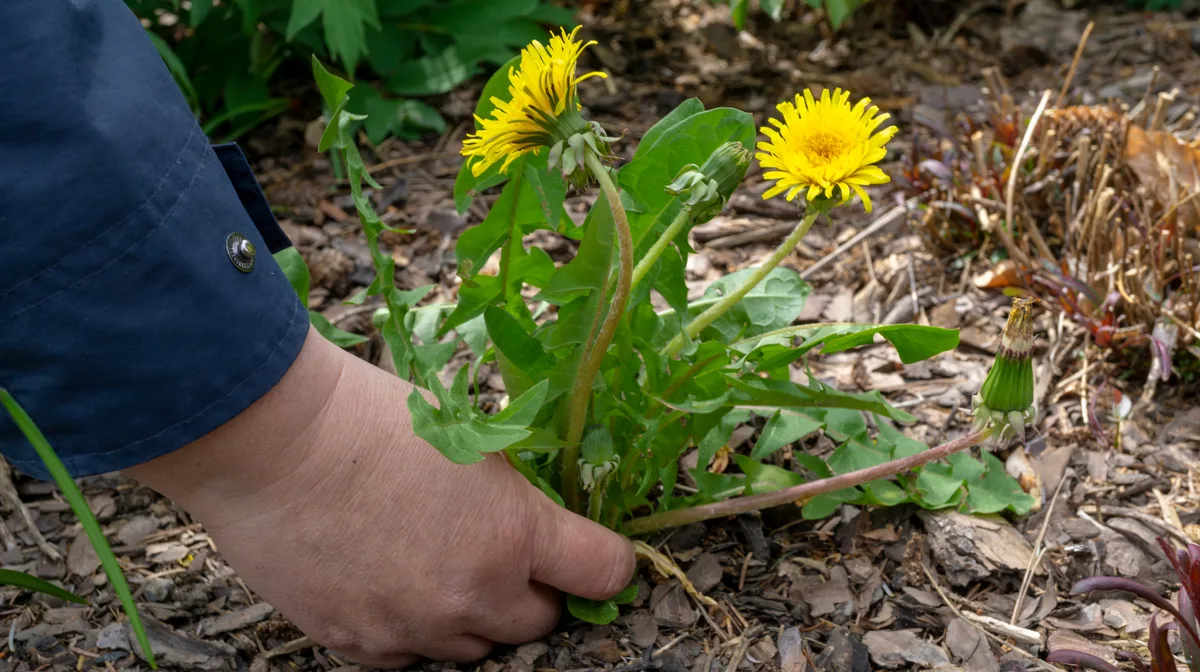
Ask how existing weeds, new growth and grass encroaching from the lawn will be addressed. The proposal should distinguish recurring attention from the initial removal of a heavy weed problem. Identify desirable seedlings or spreading plants you want retained so they are not mistaken for unwanted growth.
Bed edges also deserve a clear description. Reestablishing an obscured boundary is different from maintaining an existing one. Damaged edging, a poorly shaped bed or lawn repeatedly spreading into difficult spaces may call for an improvement project. Routine work can manage the current layout, but it cannot make every layout easy to maintain.
Describe shrub care by purpose
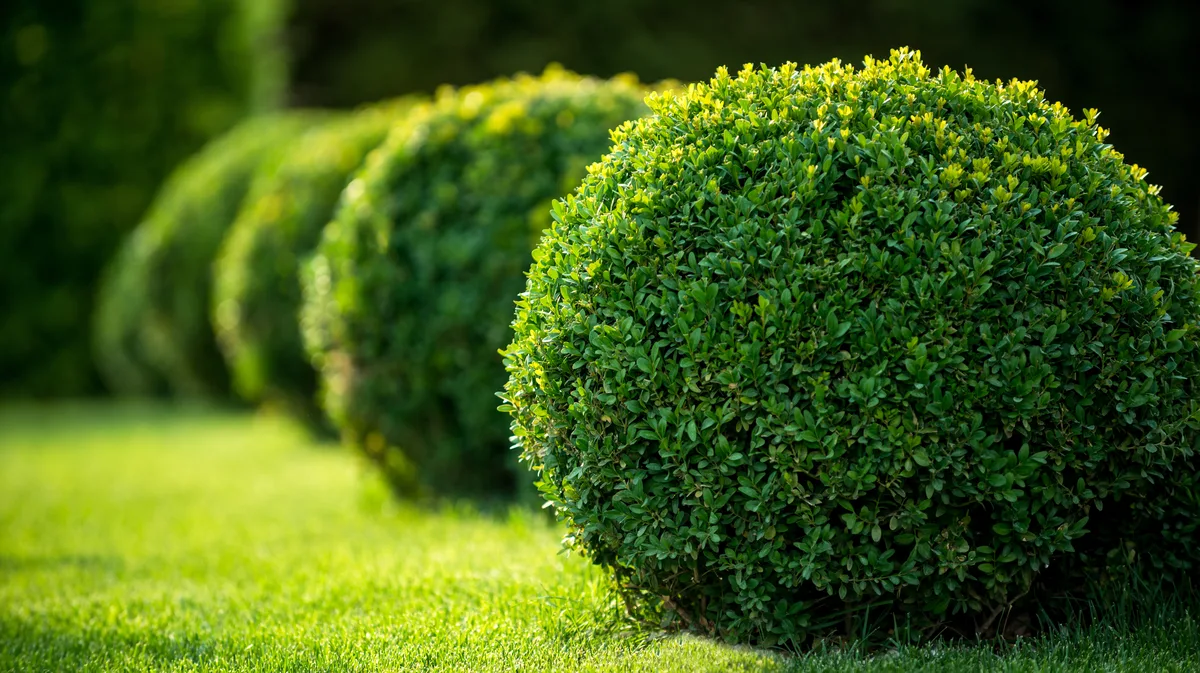
Explain whether you want formal shaping, clearance beside a walk or a more natural outline. Species and flowering behavior affect pruning decisions. Cutting every shrub at the same time and to the same shape can conflict with the planting you are trying to enjoy.
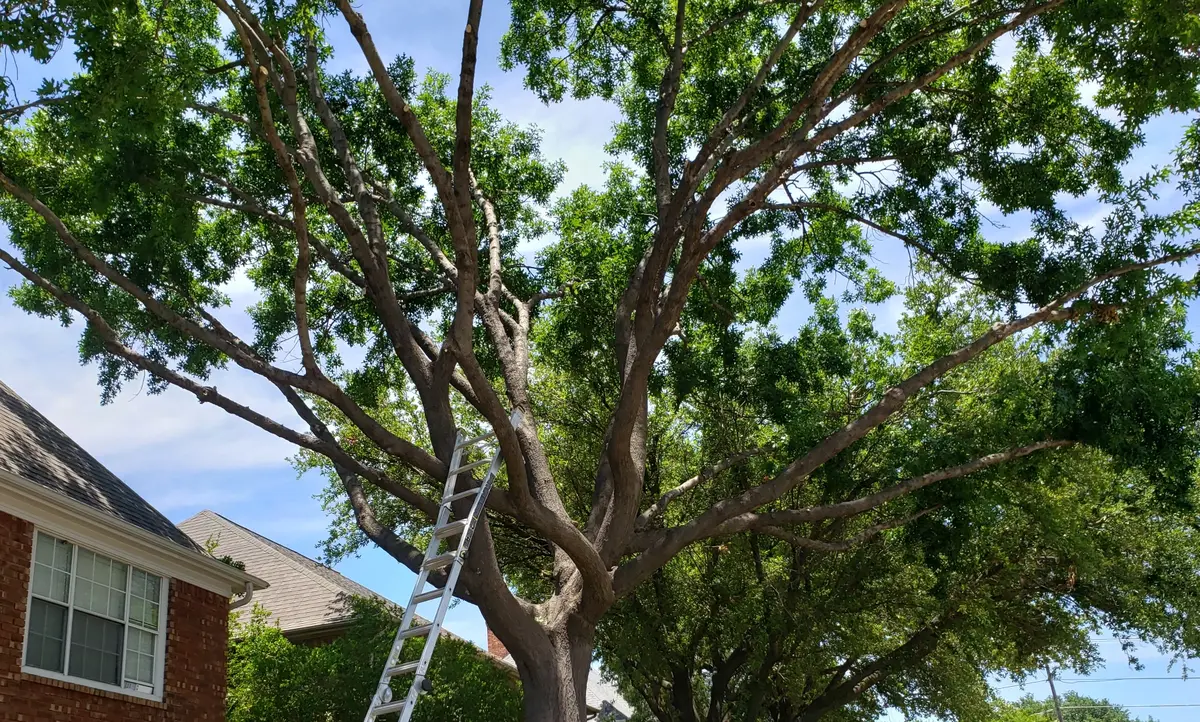
Point out plants that repeatedly block a window or outgrow their space. More frequent trimming is not always the best long-term answer. Selective replacement or a revised bed layout may be more appropriate. Keep major tree concerns separate from ordinary shrub maintenance so the scope matches the work actually needed.
Assess mulch before adding more
Mulch can help conserve soil moisture and suppress weeds, but it needs sensible placement and upkeep. Review the existing material and depth before deciding what to add. Keep mulch away from trunks and plant crowns, and avoid burying edging or irrigation components as beds are refreshed.
Specify the material, areas covered and whether preparation or removal is included in a mulch project. Do not assume a complete replenishment is part of recurring bed weeding. If the bed stays wet or material repeatedly washes away, discuss the underlying condition before treating another layer as the solution.
Give seasonal color a defined place in the plan
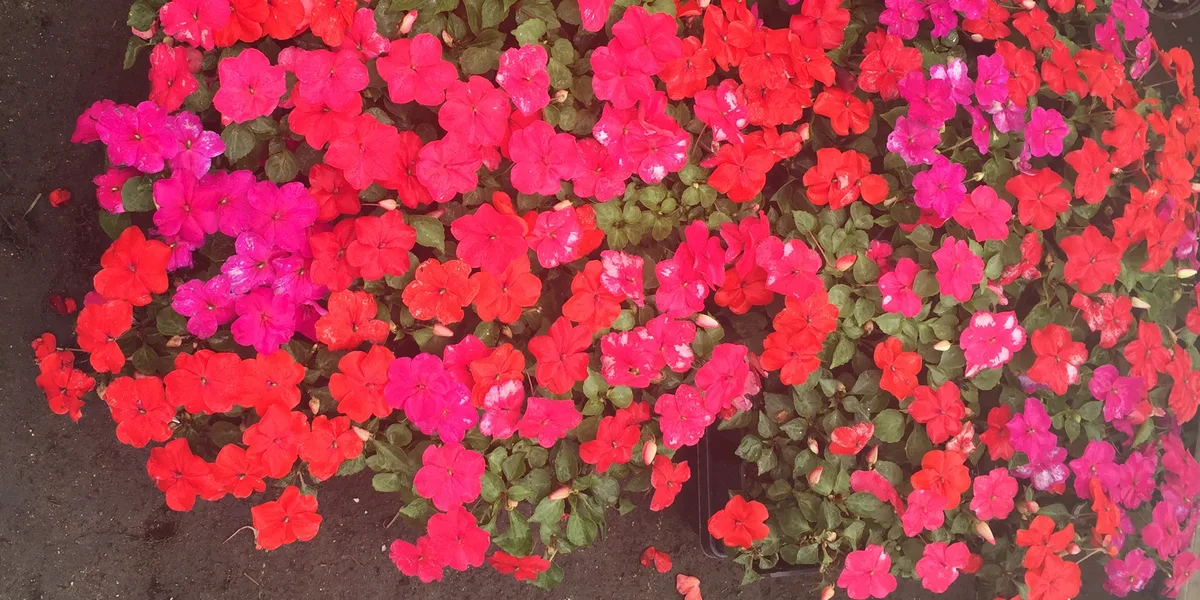
Annual flowers can make an entrance or patio feel finished, but installation and ongoing care are separate responsibilities. Agree on the display area, the seasonal changeover and who handles watering, weeding and removal of spent plants. The amount of color should fit the attention it can receive.
Ask whether flower replacement is included in the proposed maintenance agreement or arranged as a separate project. Identify preferences for color and style, while allowing plant selection to reflect sunlight, drainage and seasonal conditions. A calendar can guide planning without implying that every bed should be replanted on the same date.
Know when maintenance becomes renovation
A bed may need more than routine care when plants crowd one another, the soil level has become inappropriate or the same area repeatedly declines. Identify the cause before replacing plants. Removing and replanting an established bed, changing its outline or correcting drainage belongs in a separate scope.
Lawn & Landcare can discuss bed weeding, shrub care, mulch installation and annual flowers around your property's needs. Share photographs and identify the beds you want maintained, the appearance you prefer and any recurring concerns. Ask for routine work and proposed improvements to be clearly distinguished.
Common questions
Does bed maintenance mean the beds will never have weeds?
No. Define the method and frequency of care and discuss the current weed pressure. Mulch and regular attention can help manage weeds, but a maintenance agreement should describe the work rather than promise a permanently weed-free bed.
Should shrubs be trimmed during every bed-care visit?
Not necessarily. The plant, desired shape, growth and flowering pattern should guide the work. Agree on the result you want and identify plants that require selective attention instead of routine shearing.
Are mulch and seasonal flowers automatically included?
They are included only when the agreement says so. Clarify material, preparation, planting, changeover and ongoing care. Separate project descriptions make it easier to budget for these items alongside recurring bed maintenance.