Give every bidder the same starting point
An HOA landscape maintenance request for proposals should make the work understandable before prices arrive. When one bidder includes entrance beds, another assumes only mowing and a third allows for separate irrigation visits, the board is not comparing equivalent proposals. A concise property packet can resolve many of those differences.
Start with the association's current scope, property map, known concerns and desired changes. Check the association's governing documents, approval process and applicable procurement requirements with its manager or adviser before issuing the request. The landscape scope should support that process without assuming every association follows identical rules.
Map the maintained area
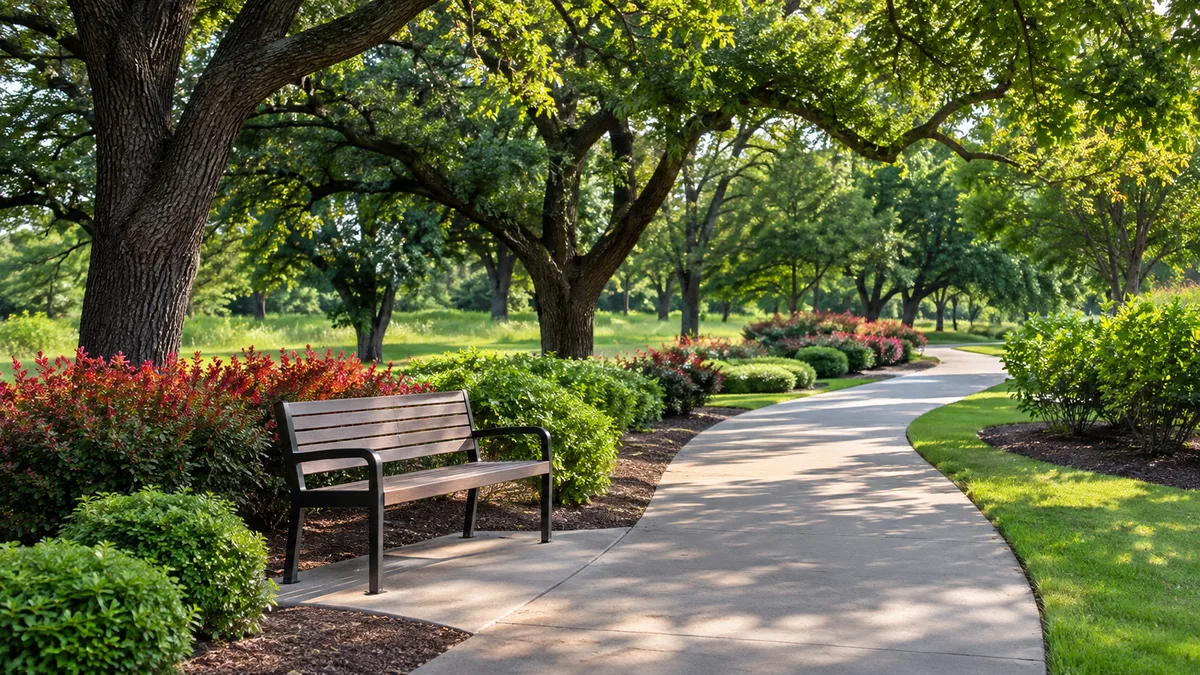
Label each common area consistently: north entry, clubhouse lawn, mailbox bed and east perimeter, for example. Show which land belongs in the maintenance scope and which areas are handled by homeowners, another party or a separate agreement. Resolve uncertain boundaries instead of asking bidders to guess.
Provide available measurements, plant or tree inventories and irrigation information, identifying anything approximate. Include access constraints, parking and staging considerations, resident-use periods and gated areas. Offer the same opportunity to inspect the grounds and share material clarifications with every bidder.
Describe tasks and frequency separately
Organize the work by area and task rather than relying on the phrase full-service maintenance. Give bidders a consistent way to explain proposed frequencies and seasonal adjustments. Mowing frequency does not automatically determine when beds are weeded or shrubs are pruned.
A useful task schedule distinguishes the base recurring scope from seasonal work and optional projects. Mark an item as excluded if the association is deliberately keeping it outside the request.
- Lawn mowing, edging and string trimming in the named areas.
- Bed weeding, grass encroachment and agreed shrub care.
- Leaf and ordinary landscape debris cleanup, including disposal.
- Mulch replenishment and seasonal flower installation, if requested.
- Fertilizer, weed control or other treatments, with the proposed scope specified.
- Initial cleanup or corrective work needed before routine service begins.
Assign irrigation responsibility explicitly
EPA's HOA contract guidance treats irrigation inspection, scheduling, repairs and reporting as distinct tasks. Use that distinction when writing the request. State whether the contractor is expected to observe visible concerns, conduct system checks, adjust settings or propose repairs. Those are different levels of responsibility.
Provide available controller and zone information, known problems and the contact who can authorize additional work. Watering must reflect applicable local restrictions and site needs. If another provider handles irrigation, explain how observations should be referred and who coordinates the response. Reporting a wet area should not silently become unlimited authority to replace equipment.
Define useful records and approval routes
Choose one primary association contact and a backup. Specify how service concerns, proposed improvements and approved changes will be recorded. Ask bidders to describe the reporting they can provide and any associated scope rather than promising residents an unconfirmed level of monitoring.
Keep reporting practical. A location, dated photograph, observation and requested decision can help a board act without a lengthy narrative. Establish who can approve changes and how the approved scope reaches the contractor. Individual resident requests should follow the association's agreed process.
Request proposals the board can compare
Ask each bidder to return the same basic information: included tasks, frequencies, exclusions, separate seasonal items and a clear explanation of proposed pricing. Request relevant insurance and credential information for the work being proposed, together with suitable references or examples.
Evaluate scope completeness, the approach to known site concerns and communication as well as price. If a bidder proposes an alternative, keep it distinguishable from the base request. Clarify material assumptions before selection, then ensure the final agreement reflects the work the board actually approved.
Prepare the request around your community
For a community with several entrances and a clubhouse, attach a labeled map and require each location to appear in the response. The board can then see whether a lower proposal omits flower changes or assumes a smaller maintained area. That is a more useful comparison than asking which company offers the most services.
Lawn & Landcare works with HOA and commercial properties on agreed maintenance and improvement scopes. Share the property packet, desired work and proposal requirements. We can discuss recurring grounds care alongside separately identified planting, irrigation or renovation needs.
Common questions
Should every possible landscape service be included in the base RFP?
No. Include the work the association wants priced consistently, then list optional or separately scoped items clearly. This keeps routine maintenance comparable without hiding seasonal projects or repairs in an undefined allowance.
What if the association does not have accurate area measurements?
Provide the best available map and label estimates as approximate. Ask bidders to explain their measurements and assumptions, and resolve material differences before selecting a proposal. Do not let uncertain boundaries become an unspoken pricing assumption.
Is a landscape RFP the same as the final service agreement?
Treat it as the request describing the work and information sought. The final agreement should incorporate the selected scope, resolved assumptions, approval arrangements and terms reviewed through the association's own process.