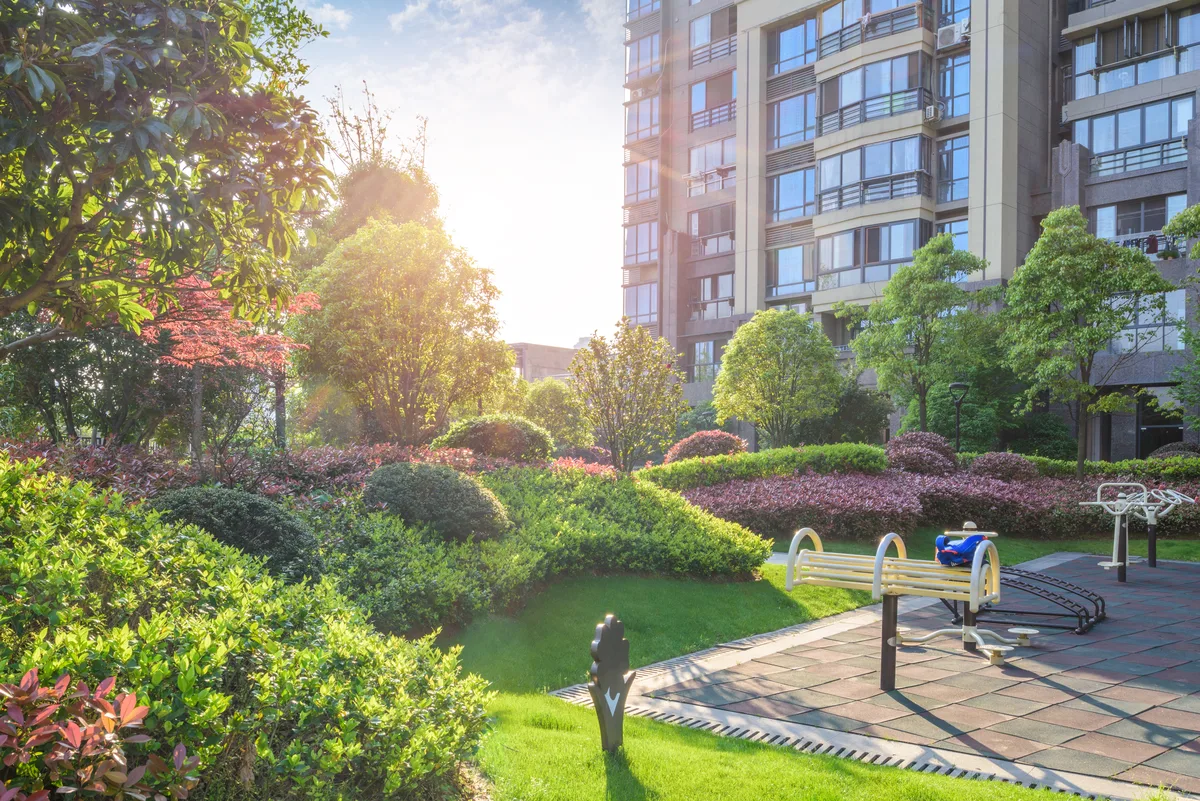
Planting can organize a commercial site
Ornamental trees and shrubs provide structure, seasonal color, screening and focal points. The most useful selections fit the property's growing conditions and how people use the grounds. A plant that looks impressive at installation may create recurring work if it outgrows the bed or blocks access.
Lawn & Landcare offers design, installation and landscape maintenance for commercial properties within agreed scope. A planting plan should make the intended use and ongoing care clear instead of promising a particular property-value result.
1. Space constraints
Is your space big or small? This will determine whether you’ll need trees or shrubs, or a combination of both. Be clear about what you need from the plants you choose; are you trying to create a barrier or border from neighboring businesses or the road, or do you just want some greenery or color?
Measure mature height and width, available rooting area and clearance from buildings, utilities, signs and walking routes. Preserve sightlines for drivers and pedestrians. Root and canopy needs should be part of tree placement, not an issue left for repeated trimming later.
2. Environmental factors
Observe morning and afternoon light, reflected heat from paving and how quickly the bed dries after rain. A narrow entrance bed and a shaded courtyard may need different plants even on the same property.
Review existing irrigation before adding planting. A repair or adjustment may be enough; a different layout may need a separate zone or other changes. Match the plant choices to the available light, drainage and water supply.
3. Creating a style
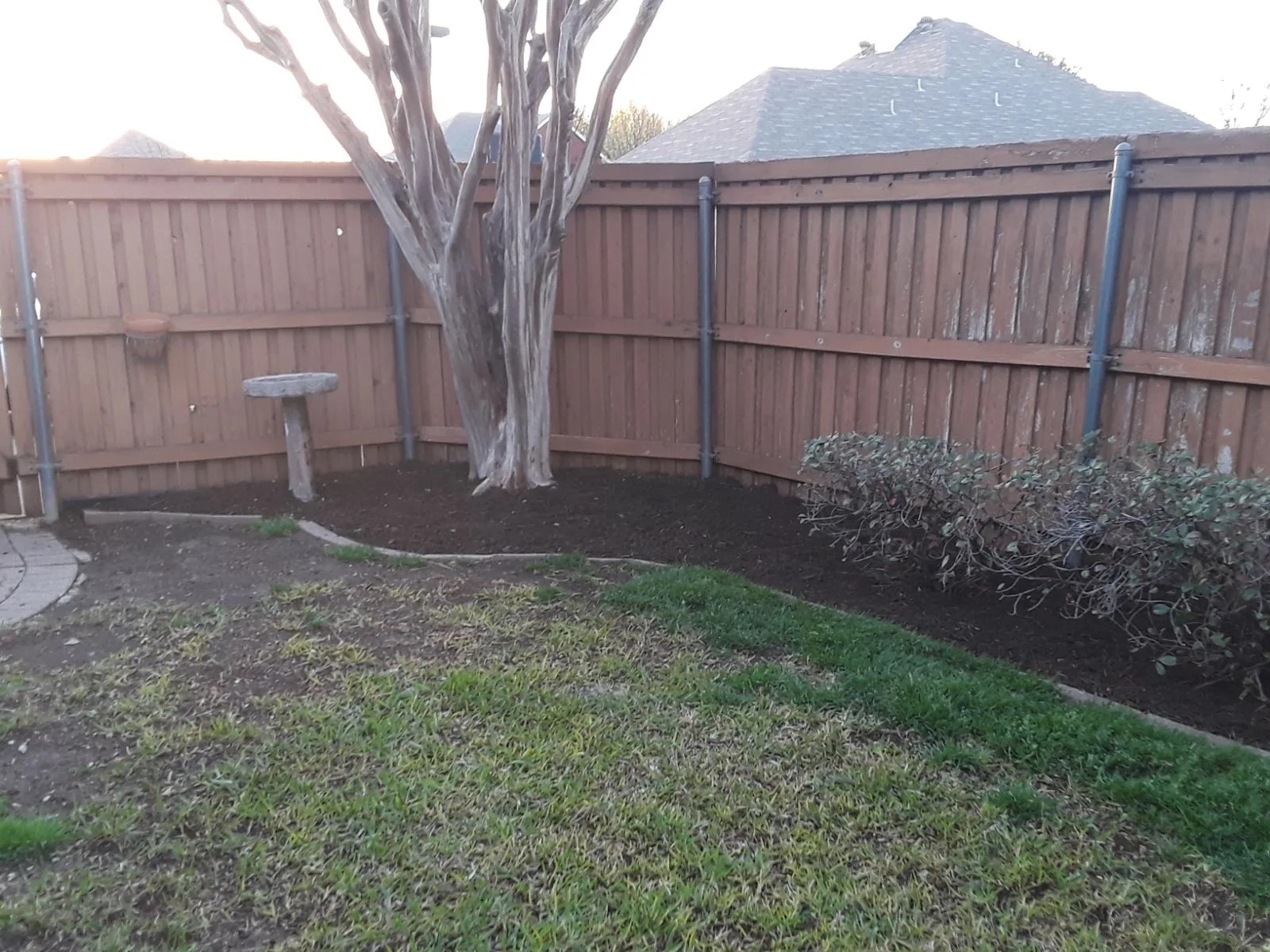
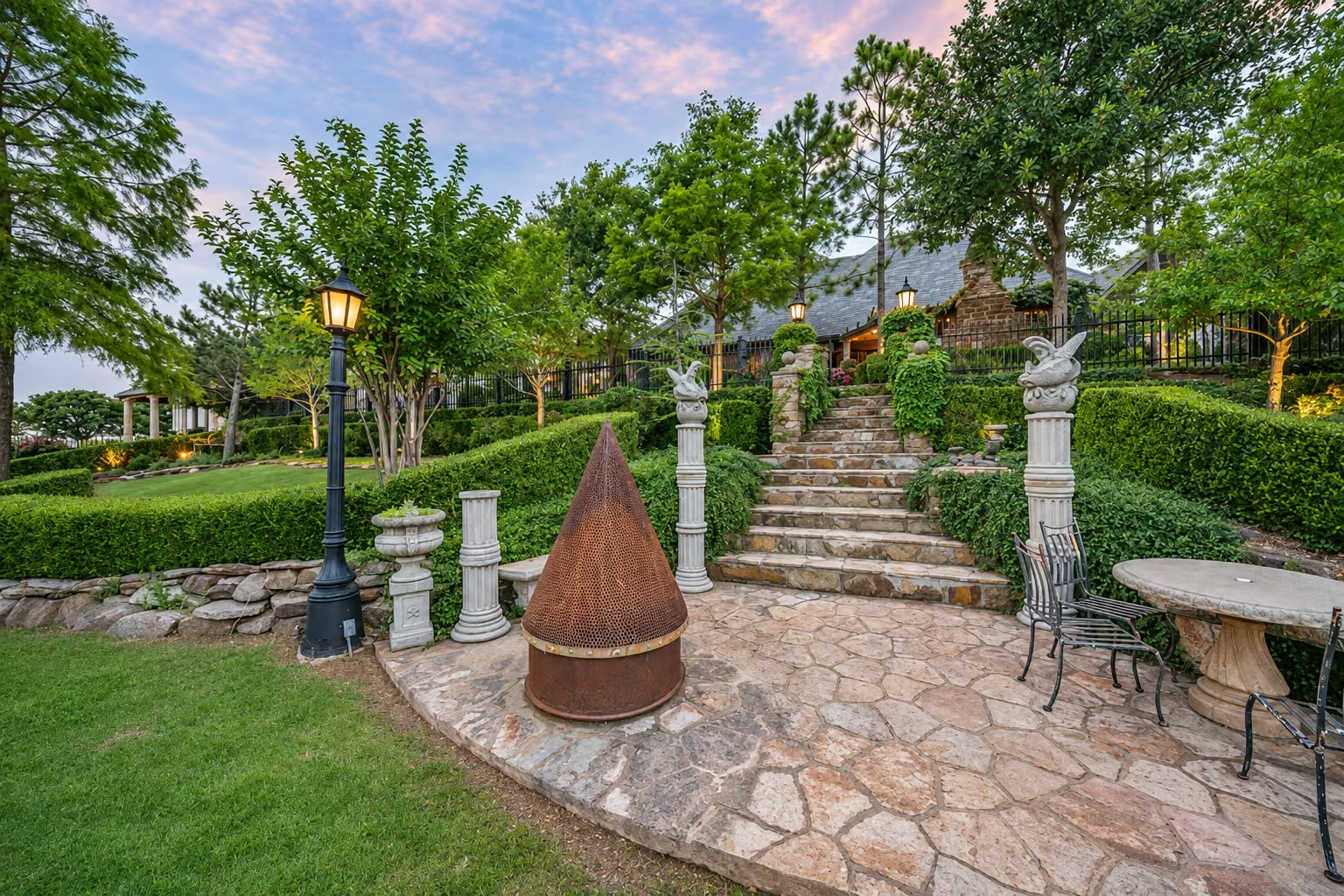
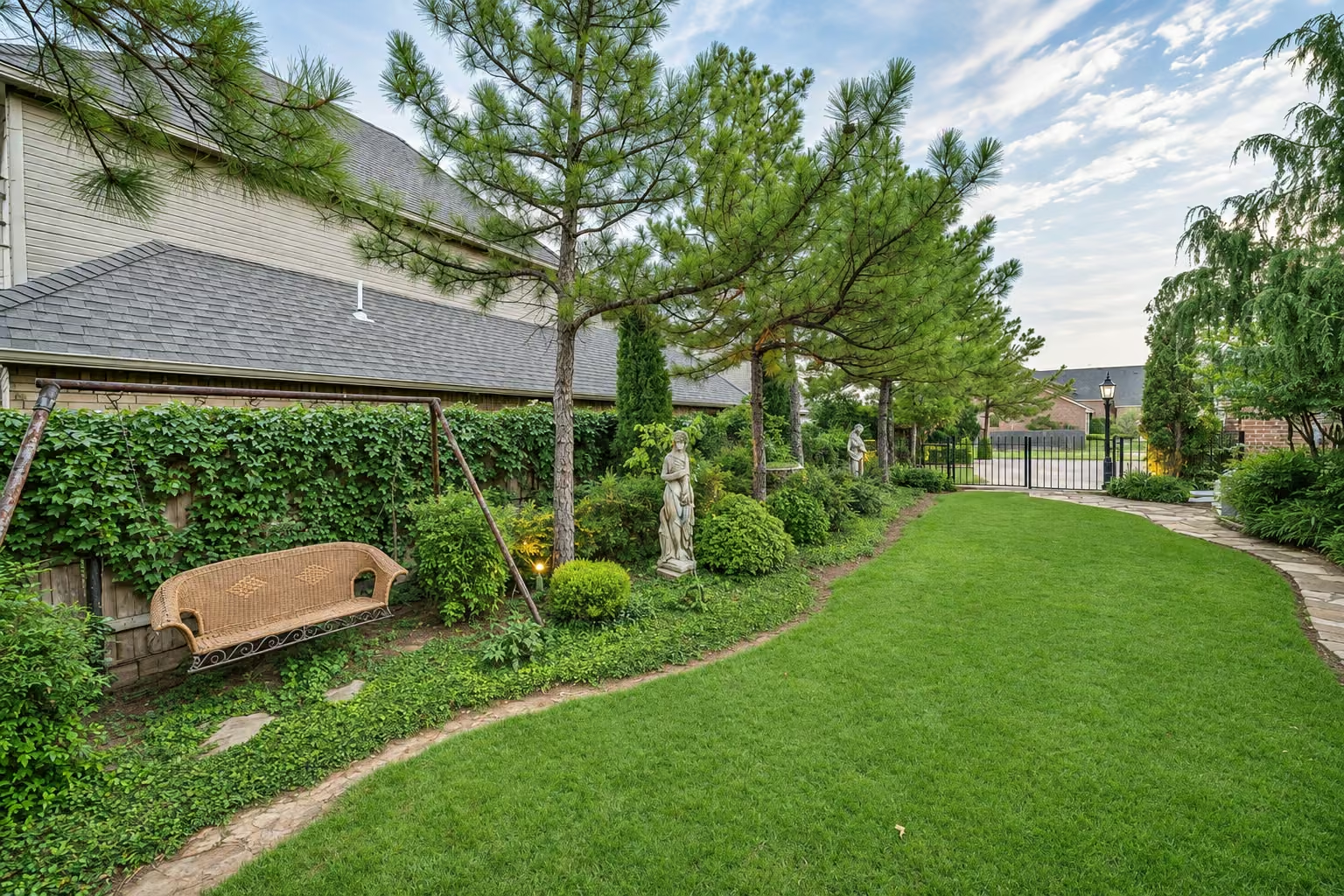
Choose a consistent planting character that suits the building: a simple evergreen structure, seasonal color at entrances or a looser arrangement with varied foliage. Repetition can give a long frontage a coherent appearance, while a courtyard may reward closer detail.
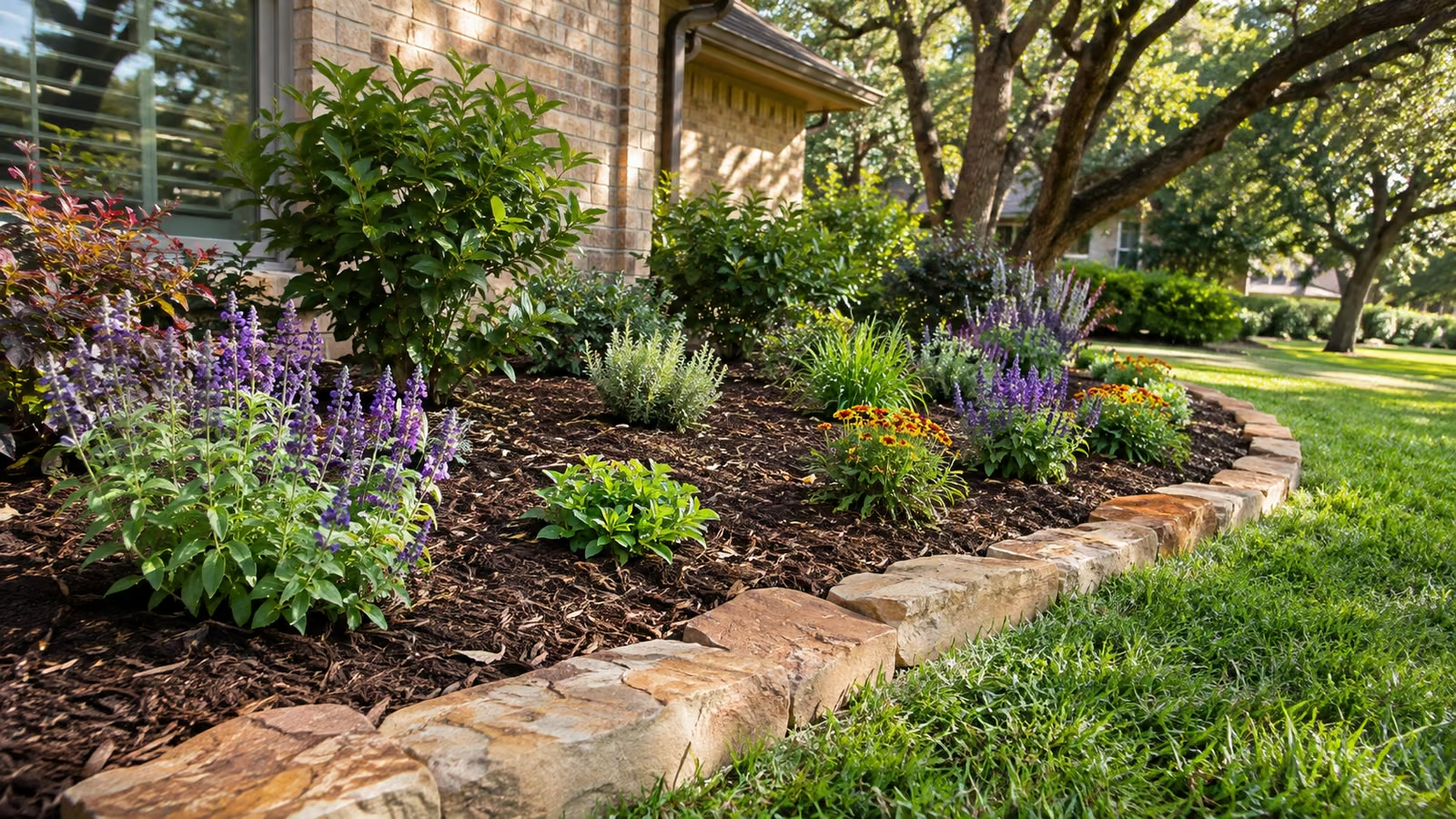
Use stone borders and planting together where they help define the space, while preserving visibility and walking width. Mature dimensions and maintenance access should guide the layout as much as the appearance on installation day.
4. Caring for plants
Match the planting to the maintenance resources available. Consider water needs, pruning and susceptibility to site problems before selection. Appropriate species and observation can reduce unnecessary inputs without promising a maintenance-free landscape.
Fertilizer is conditional on need, not a required dose for every tree and shrub. Prune by species and flowering habit and check irrigation as plants establish. Agree who handles replacement planting, seasonal flowers, mulch and pest concerns rather than assuming they are all included.
Compare candidates rather than copying a tree list
Select individual species and cultivars for the site rather than copying a general ornamental-tree list. Consider bloom time, litter, roots, mature scale, cold hardiness and maintenance together.
Ask for reasons behind a recommendation and how the tree will fit when mature. No tree is universally problem free, and a small nursery plant does not prove it is suitable for a permanently small space.
Develop an installation and care scope
Lawn & Landcare can design and install commercial trees, shrubs and planting beds, with recurring care discussed alongside the project. Send site photos, areas to screen, views to preserve and the approval contact. We can work through plant selection, bed preparation and establishment responsibilities before the installation is scheduled.