Match protection to the plant and the forecast
Cold can damage plant tissues, with symptoms becoming clearer after temperatures rise. The result depends on species, hardiness, plant condition, exposure and how long the cold lasts. A light frost and a windy, prolonged freeze do not call for identical expectations.
List tender plants and containers before the forecast turns cold. A hardy established shrub and a tender annual may need very different care. Favor appropriate plant selection over relying on emergency covering every winter.
Check moisture without flooding the soil
Drought-stressed plants can be more vulnerable to cold. If soil is dry and conditions and rules permit, suitable watering before the event may be useful. Allow infiltration before freezing temperatures. Soil already wet does not need another soaking.
Do not improvise continuous sprinkler frost protection. Specialized agricultural methods rely on exact conditions and uninterrupted application; a residential system can create ice loading, runoff and further injury.
Use mulch around appropriate root areas
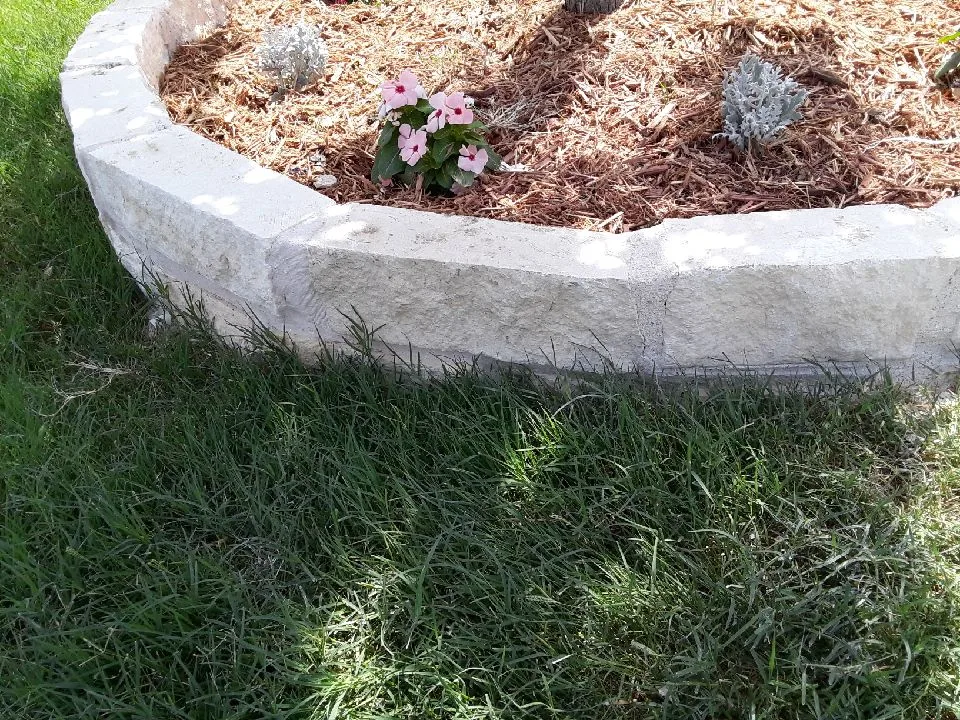
Mulch can help moderate root-zone conditions. Check what is already present before adding more and keep it clear of trunks and crowns. It is not a blanket assurance that exposed leaves or branches survive. Container roots may need protection beyond the care given to an in-ground bed.
Cover plants with suitable material
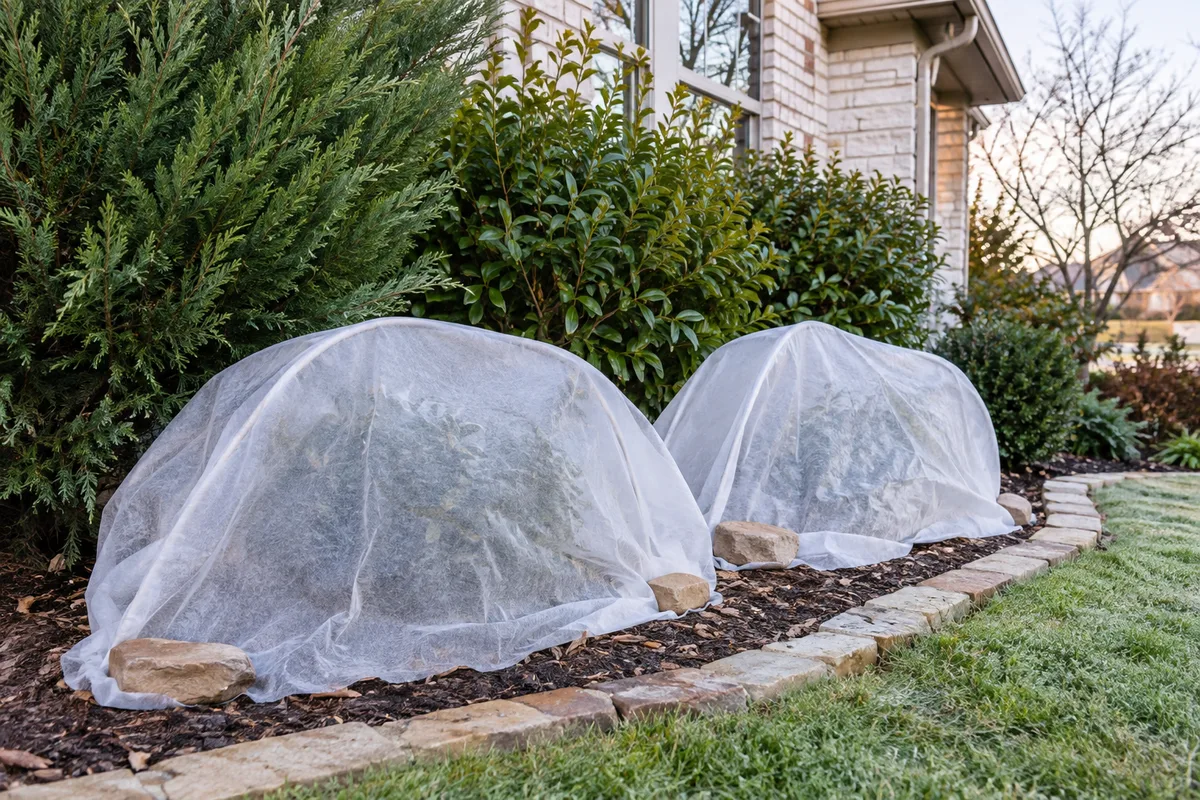
Frost cloth, sheets or suitable blankets can reduce radiant heat loss. Support heavy fabric so it does not crush plants and extend the cover toward the ground, where retained warmth comes from. Do not tie it tightly around a trunk like a wrapped bouquet.
Clear plastic touching foliage can cause injury at contact points and can overheat a plant when sunshine returns. Use materials intended for the purpose and follow their instructions for removal or ventilation. Lightweight covers provide limited help in severe windy freezes.
Containers and temporary covers
Move tender potted plants into a suitable protected location when possible. Check the location's light, temperature and household access needs. Where movement is impossible, protect containers as well as foliage.
A box or other temporary cover may help a small plant during a brief frost if it does not crush foliage and is removed when appropriate. Avoid sealed covers left in sun and follow plant-specific protection advice.
After the cold event
Observe rather than immediately cutting every brown leaf and stem. Some injury takes time to appear. Delay routine pruning until live and dead areas can be distinguished and further frost risk has been considered. Immediate pruning does not reverse freeze injury.
Plan for the next season
Lawn & Landcare can help with suitable planting, mulch and seasonal maintenance. Share the species if known and the locations most exposed to cold. Protection has limits, so no method promises survival through every North Texas freeze.