Adjust care as conditions change
As weather changes, irrigation demand changes too. A summer program should not run unchanged through cool, wet or dormant periods. Use rainfall, soil moisture, plant needs and current local rules to decide when a schedule needs adjustment.
Seasonal checks can reveal problems before heavier use, but they do not prevent every repair. The right checklist depends on whether the system has spray heads, drip zones, a pump, exposed equipment and particular manufacturer requirements.
1. Observe operation and visible condition
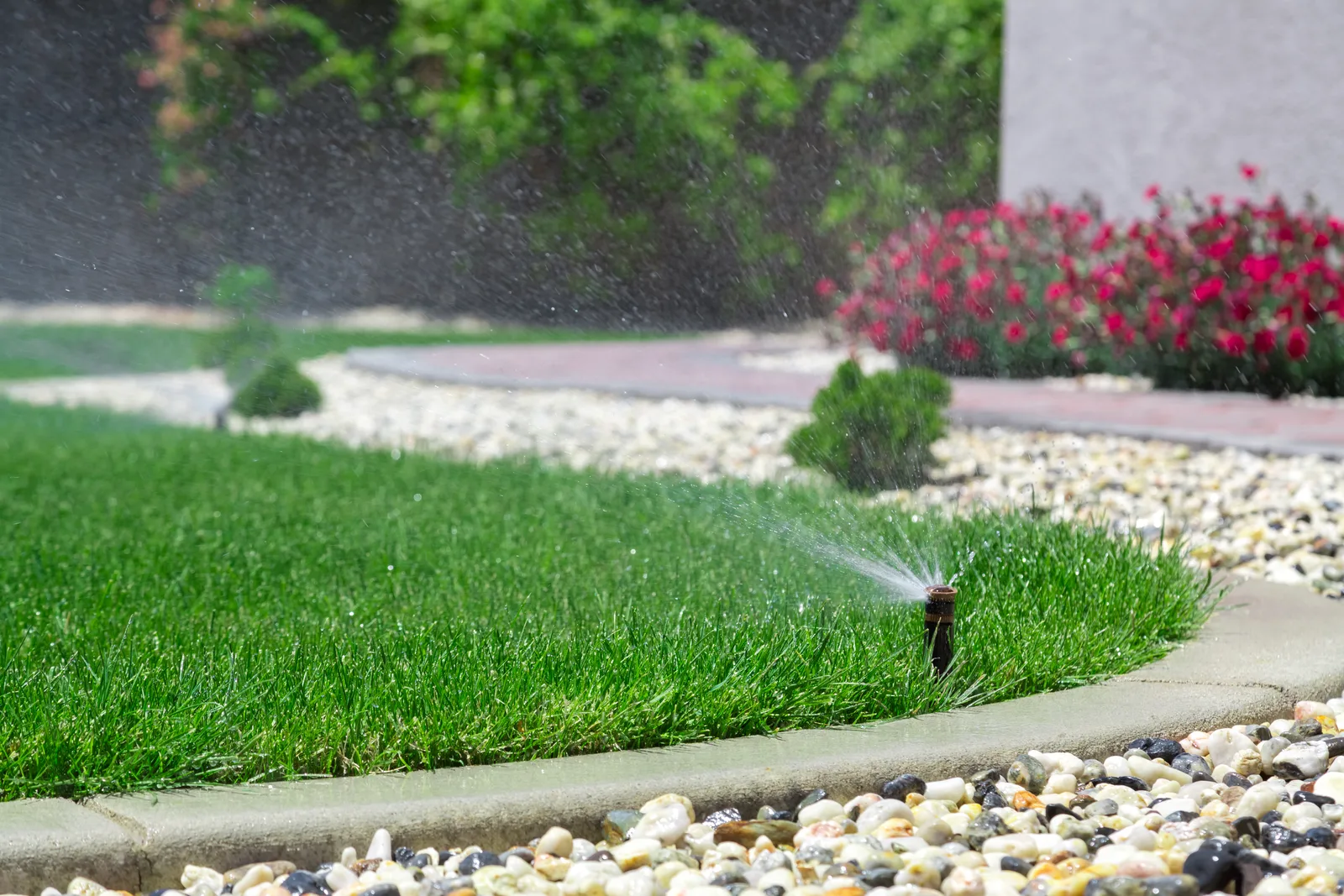
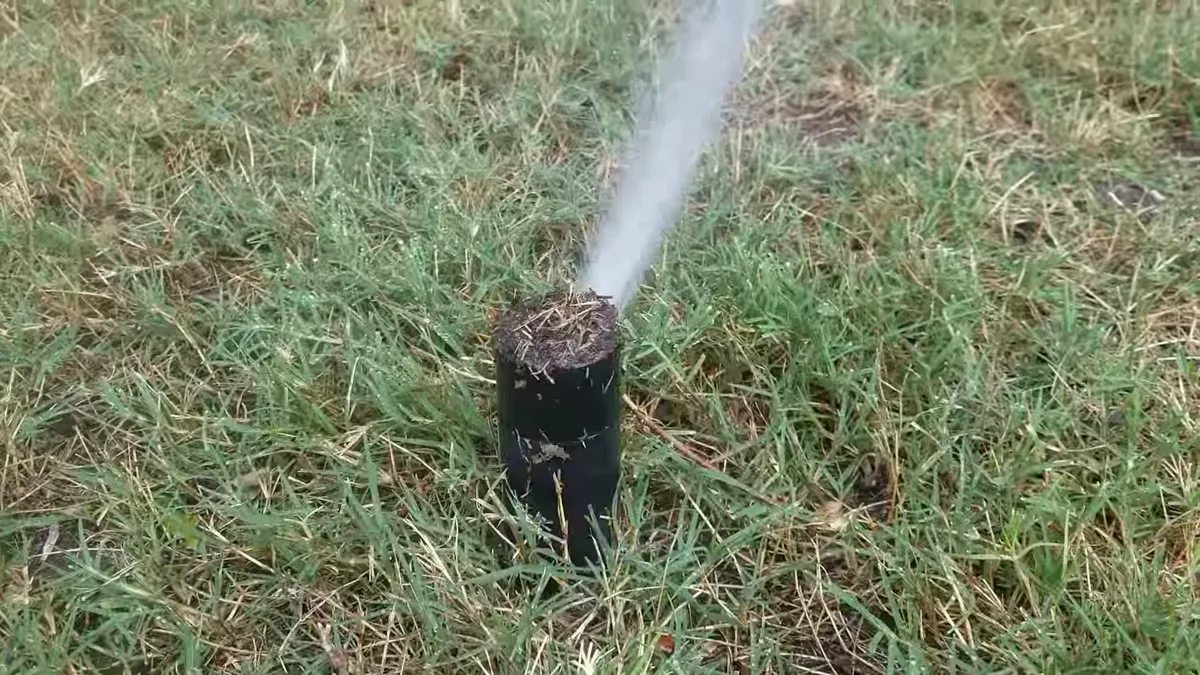
When conditions and rules allow, inspect each zone for damaged heads, overspray, uneven coverage and leaks. Note symptoms between cycles too. Record station numbers and photographs instead of guessing at a failed part.
A backflow device needs appropriate qualified attention. Rust or external appearance alone does not establish performance or replace any required test. Do not dismantle or test it from a general lawn-care checklist.
2. Review watering settings
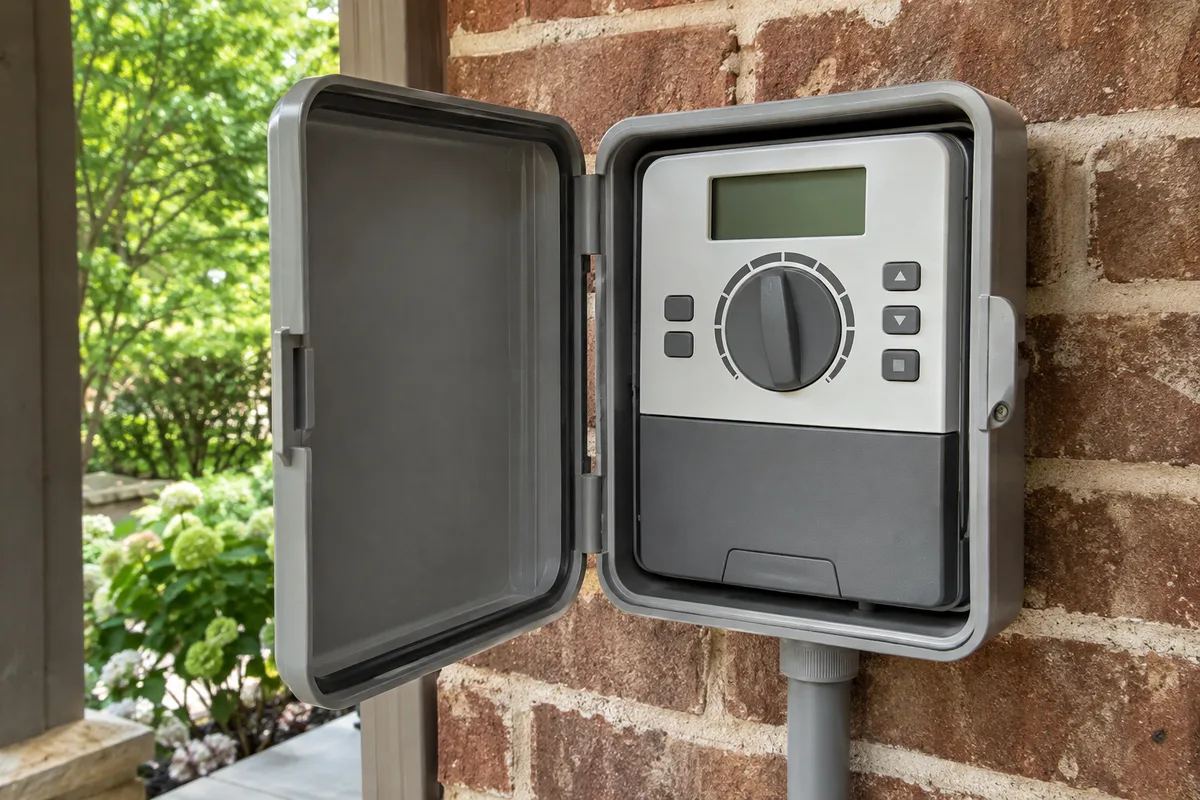
Check date, time, start times, run times and active programs. More than one start time may repeat an entire program. Review sensor status using the equipment manual and confirm whether controller settings match the season.
Follow current rules for the property's water provider. Do not assume a rain sensor, smart controller or drip zone automatically complies with every restriction. Observe actual soil moisture as well as the programmed minutes.
3. Inspect drip filters and tubing
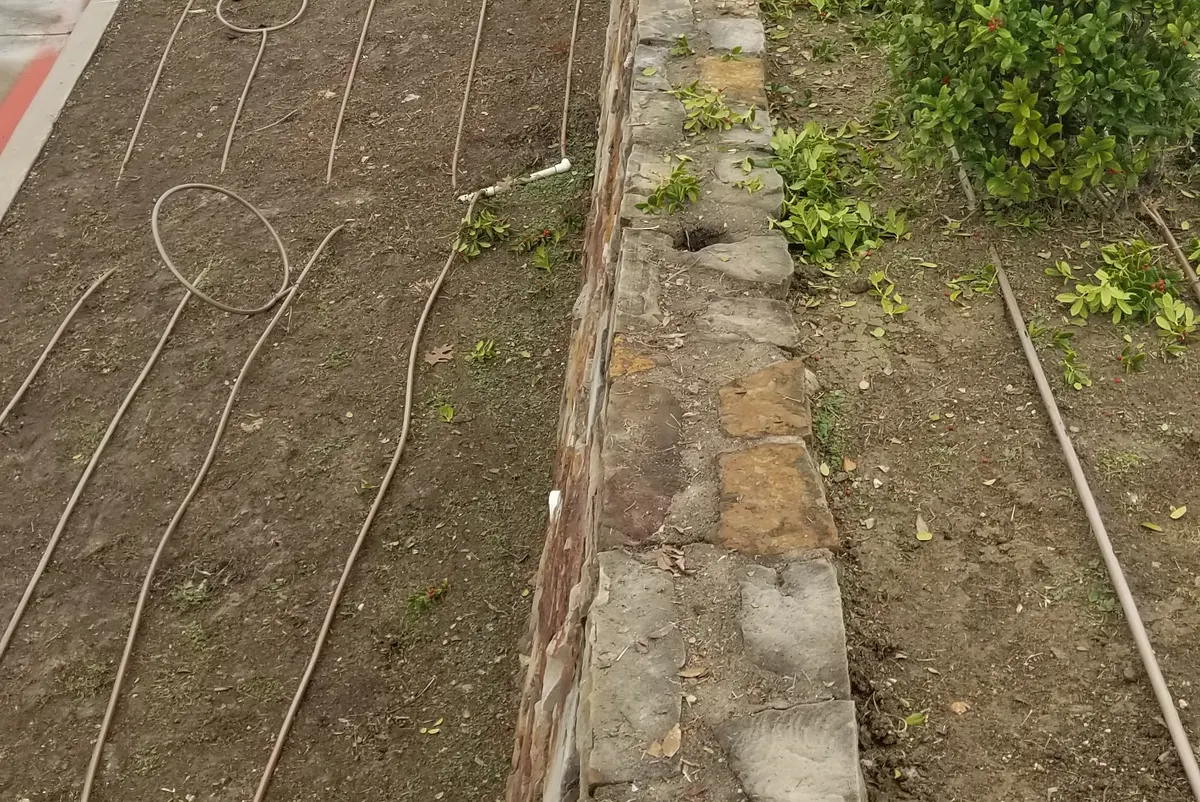
Drip systems need checks for clogs, damaged tubing and disconnected emitters. Filter cleaning and replacement depend on the specific equipment, water source and manufacturer directions. Do not open a pressurized housing or transfer a filter-cleaning procedure to an unrelated sprinkler component.
Check moisture near representative plants. A normal-looking controller does not prove that each emitter is delivering water.
4. Prepare for cold according to system design
Stop automatic watering that could run during freezing conditions. Exposed pipes and above-ground backflow components need attention before a cold event; the protection or draining procedure depends on the installed equipment.
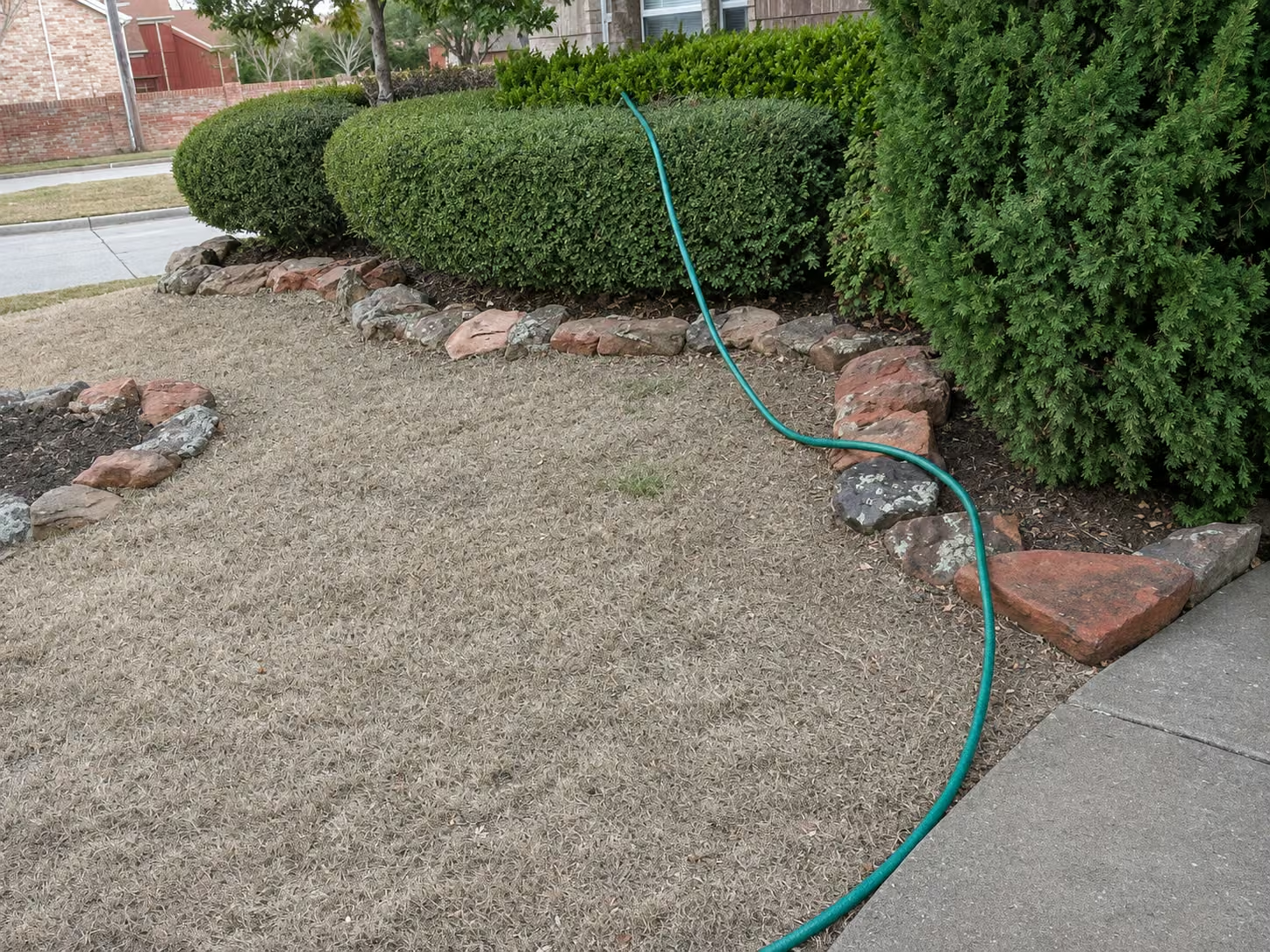
Most Texas landscape systems are not designed for the compressed-air blowout method used in some colder regions. Ask for guidance suited to your system instead of copying a generic winterization checklist. A freeze sensor may stop a watering cycle, but it does not insulate or drain exposed plumbing.
5. Restart thoughtfully after shutdown
Follow the system's instructions or obtain a professional startup when the supply has been shut down or drained. Verify settings and inspect for winter damage before returning to normal use. Do not repeatedly cycle an unfamiliar main valve or pump to experiment with pressure.
6. Flush only where and as instructed
Drip laterals and other components may require flushing, particularly after work or sediment entry. The method and duration depend on the layout and manufacturer; a universal two-to-three-minute flush does not apply to every system. Keep debris and discharge away from walking routes and avoid opening pressurized parts.
Request a tuneup or repair
Arrange a sprinkler tuneup with Lawn & Landcare when you are changing the seasonal schedule, restarting after shutdown or seeing uneven coverage. Send the controller model and zone symptoms, and mention any exposed equipment or winter damage. We can discuss the checks, adjustments and repairs that fit the existing system.