Match the starting point to the landscape
If your lawn and beds have become difficult to keep up with, the first decision is whether to arrange a cleanup or begin recurring maintenance. A cleanup handles a defined accumulation of work. Recurring service addresses the work expected to return. Some properties need both, with a clear handoff between them.
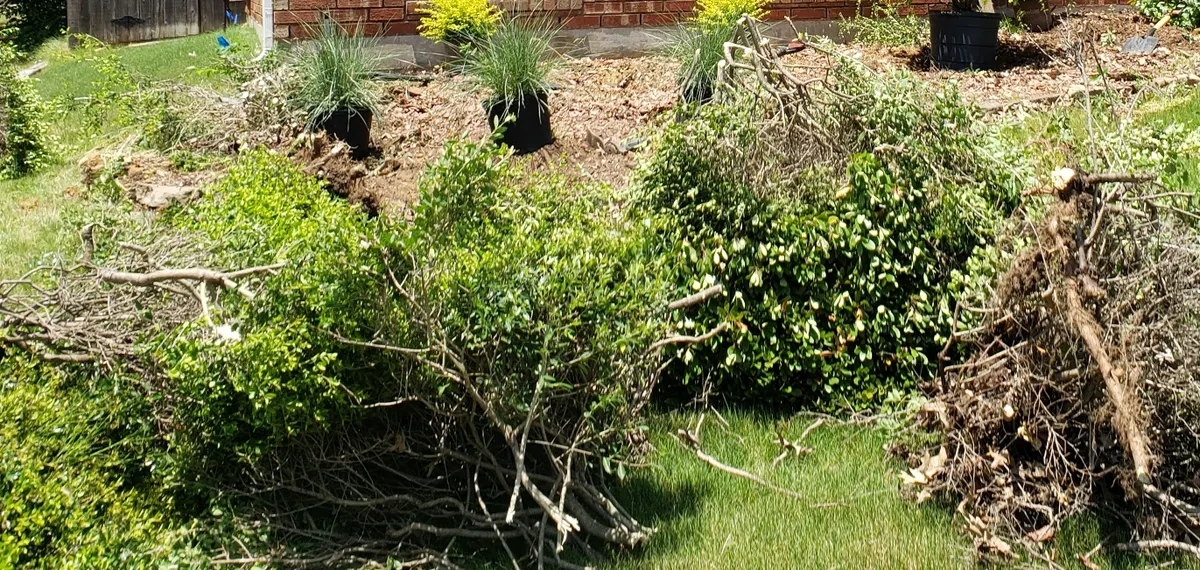
Start with the present condition rather than the service name. A generally tidy yard with new weeds may be ready for recurring care. Beds hidden by accumulated leaves and heavy unwanted growth may need a separate reset before an ongoing plan can be priced sensibly.
Identify the work that has accumulated
Walk the property and list the areas that need attention. Distinguish leaves and loose debris from plant removal, and ordinary shrub shaping from a substantial pruning project. Mark desirable plants before work begins, especially in beds where perennials or small specimens may be obscured.
Photographs help explain the scale, but access and site conditions still matter. Show gates, narrow passages, slopes and places where material would be collected. Ask whether removal from the property is included and how the work area will be left. A cleanup estimate should describe the actual material and tasks, not simply promise a fresh start.
- Which lawns, beds and borders are included?
- What is being removed, and which plants remain?
- Does the scope include bed weeding and reestablishing edges?
- What shrub work is appropriate for the identified plants?
- Are haul-off and final cleanup included?
- Which concerns require separate assessment or work?
Separate cleanup from repair or renovation
Clearing a bed can reveal conditions that routine work will not resolve. An irrigation leak, failing edging, persistent drainage trouble or plants that have outgrown the space may need a separate project. Record those issues and ask for their scope to be explained rather than folding unknown work into a cleanup.
Pruning also needs a purpose and a suitable approach for the plant. Cutting every shrub hard because the yard looks overgrown can create a different problem. If repeated pruning cannot keep a plant suited to its location, discuss replacement or a revised layout instead.
Choose the routine that follows
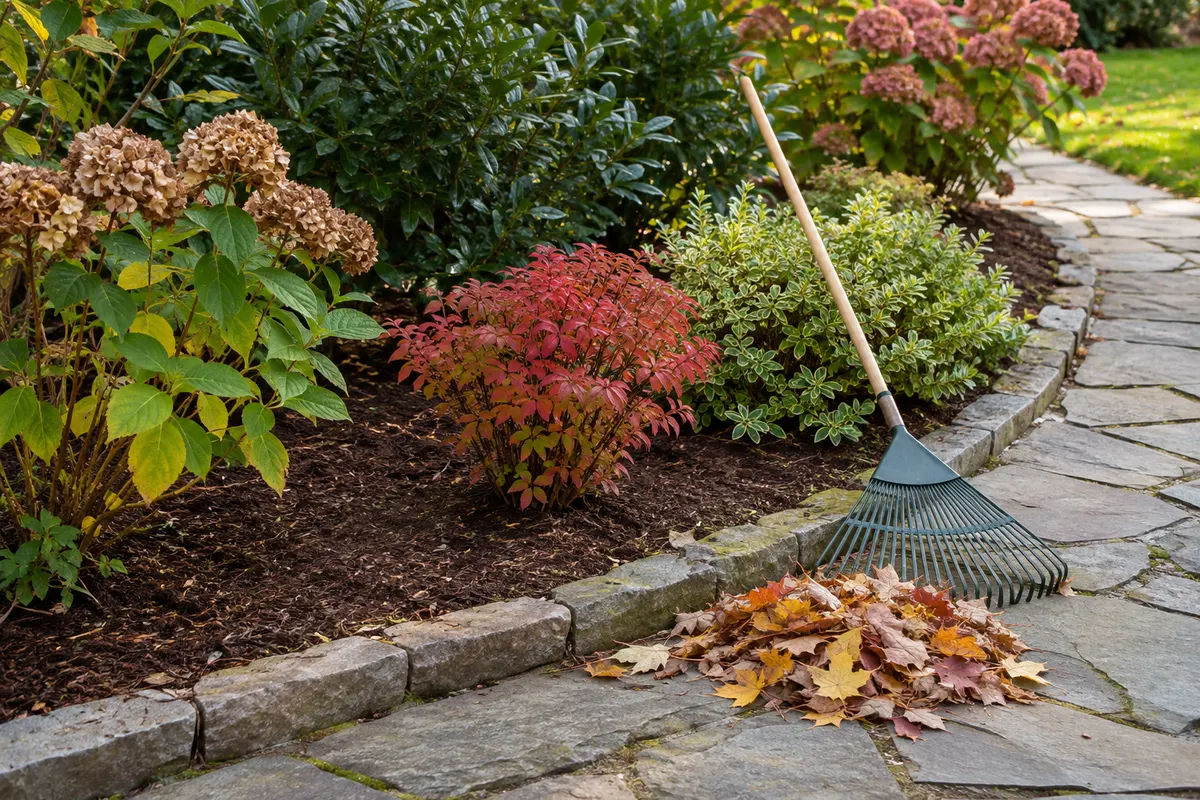
Once the initial work is defined, identify the tasks that recur. Lawn mowing, edging, bed weeding, shrub care and leaf removal can be discussed separately so the ongoing agreement reflects the landscape. Frequency should consider growth and conditions, and it should be clear which tasks occur as needed.
Decide whether you want to handle some work yourself. You may want professional bed care while continuing to manage containers, or a broader plan for lawn and planting. Mulch installation, seasonal flowers, treatments and irrigation repairs should be explicitly included or separately arranged.
Use the reset to understand the yard
A cleanup can make the next decisions easier to see. After leaves and unwanted growth are addressed, you can better assess bed outlines, remaining planting and how different areas fit together. That does not mean every freshly cleared space needs new plants immediately.
Consider an entry bed with weeds, crowded shrubs and a worn border. Weeding and debris removal may belong in the cleanup; reducing crowding or replacing the border may be renovation; future bed care belongs in maintenance. Separating those three decisions helps you choose a useful first stage without losing sight of the whole property.
Request a clear starting scope
Send current photographs and explain how long the main areas have gone without the care you want. Identify your priorities, anything that must remain, and whether you are also interested in continued service. Ask for the one-time work and recurring work to be described separately.
Lawn & Landcare offers yard cleanup, landscape renovation and maintenance for agreed property needs. A defined cleanup can prepare the landscape for a workable care plan, while a property already in reasonable condition may be ready to begin with routine service.
Common questions
Can recurring maintenance start without an initial cleanup?
Yes, if the current condition and agreed tasks make that practical. Provide photographs and discuss accumulated work first. A separate cleanup may be appropriate when the backlog is beyond the recurring scope.
Will cleanup include removing every overgrown plant?
Only plants specifically included for removal should be treated that way. Identify what you want retained and discuss pruning or replacement separately. Some overgrown planting needs a renovation decision rather than routine cutting.
Should mulch be added immediately after a cleanup?
Review the existing material, soil level, plant condition and drainage first. Mulch can be useful, but the type, amount and preparation should be agreed. It should not conceal unresolved problems or be piled against plants.