Start with an evening walk
The most useful landscape lighting brief begins with how you move through the property after sunset. Walk from the driveway to the front door, from the back door to your usual seat, and through any side gate you regularly use. Note a step that disappears into shadow, a bright porch fixture that bothers you and the planting you enjoy seeing from indoors.
Describe these moments before choosing fixtures. A homeowner who wants to reach the patio comfortably has a different priority from someone who mainly wants to highlight a front-yard tree. Listing the purpose of each area gives the installation discussion a clear starting point.
Rank routes, gathering areas and accents
Separate the property into three groups: places people move through, places people spend time, and features they look at. Give the first two groups attention before using the remaining scope for decorative accents. A smaller coordinated installation can be more satisfying than lighting every available tree.
Keep the brief specific. Instead of asking for a brighter backyard, explain that you want to see the steps from the kitchen door and enjoy the view beyond a patio table. Identify any route that needs physical repair as well. Lighting can reveal a surface; it does not correct an uneven step or an obstruction.
- Arrival: driveway edge, front approach, door and changes in level.
- Everyday use: side gate, patio route and places used by household members.
- Views: one or two planting groups, trees or stone surfaces worth emphasizing.
Check the light from where people sit and stand
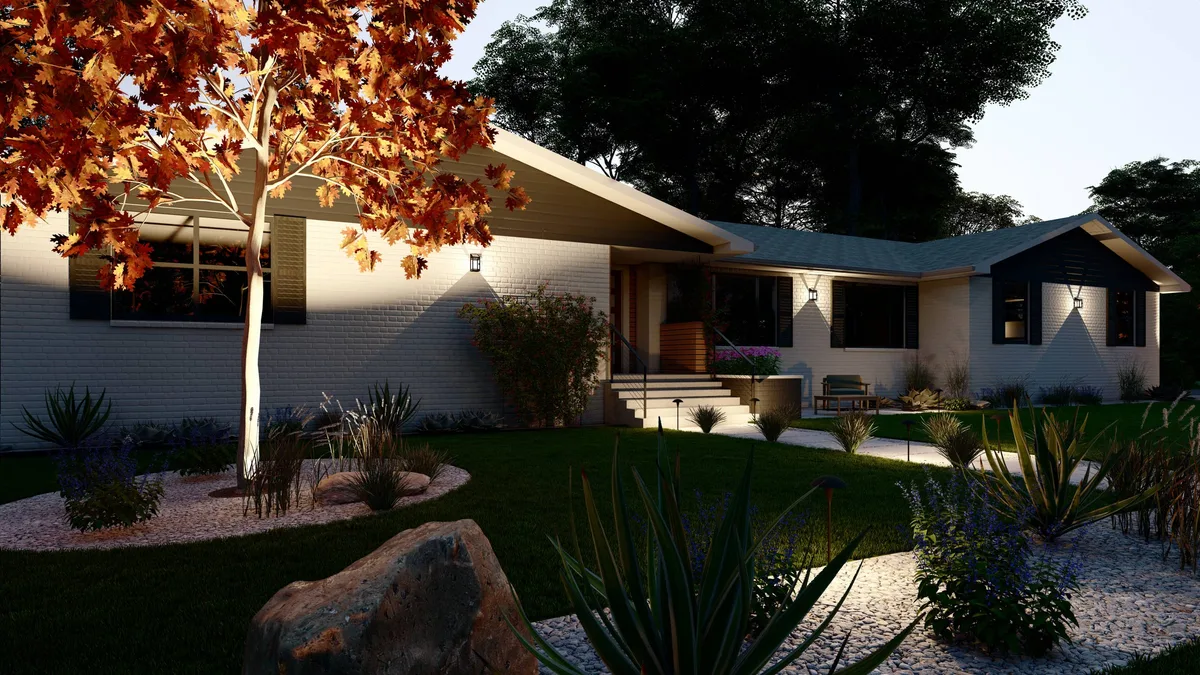
Fixture placement should be reviewed from both directions along a route and from nearby seating. Light aimed toward a surface can be useful while the same fixture aimed toward someone's eyes creates glare. Shielding and careful aiming help keep illumination where it is wanted.
Include views from inside the house and from neighboring properties in the discussion. Warm light, restrained output and controls can support a comfortable evening setting. Ask what the installer recommends for your materials and layout rather than choosing brightness by wattage alone. A fixture list should describe the intended effect as well as the equipment.
Decide how the installation will be used
Think about when different areas need light. The front approach may have a different operating pattern from a garden accent viewed during dinner. Ask which controls suit that pattern, how adjustments are made and what happens after a power interruption. Confirm whether app access or another ongoing requirement applies to the proposed equipment.
Review the power source, transformer location where applicable, wiring route and equipment access before approving the layout. Components need to suit their outdoor exposure. Any electrical work outside the landscape installation scope should be identified and assigned appropriately, with applicable requirements checked for the project.
Coordinate lighting with planting and hardscape
If beds or stonework are being renovated, discuss lighting before those areas are finished. Wiring routes, fixture positions and access can then be considered alongside the installation. Mark existing irrigation and other known site features, and clarify how disturbed areas will be restored.
Plants also change the view over time. A fixture placed behind a small shrub can later be hidden by its growth. Keep fixtures out of ordinary walking and mowing routes, and leave reasonable access for adjustment and cleaning. Ask which maintenance tasks will be yours and which would require a separate service request.
Bring a short, useful installation brief
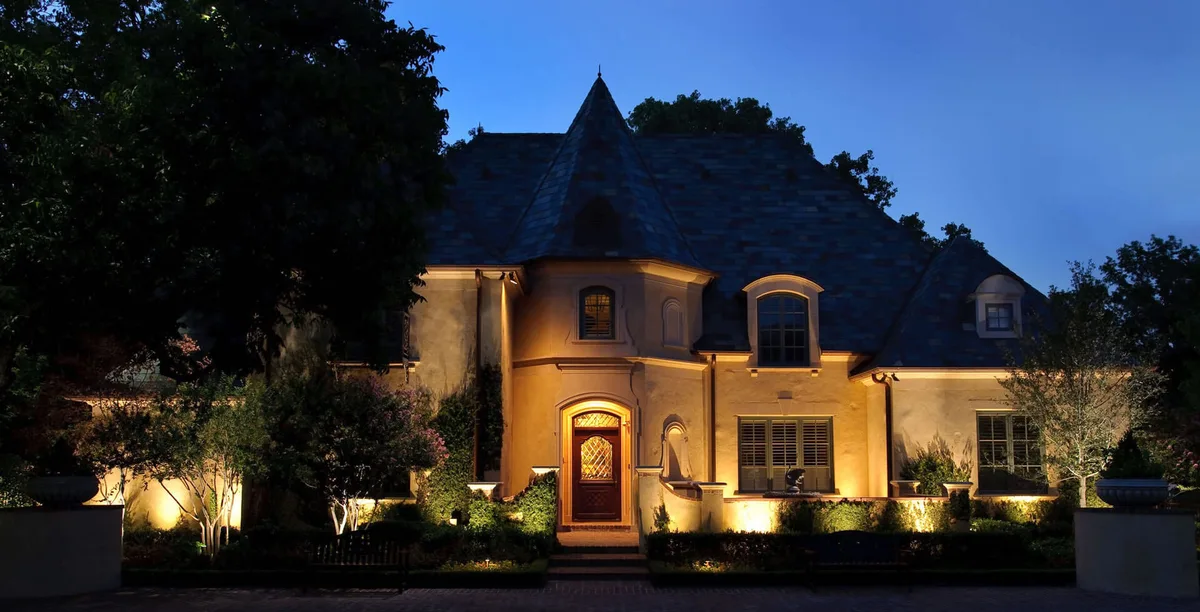
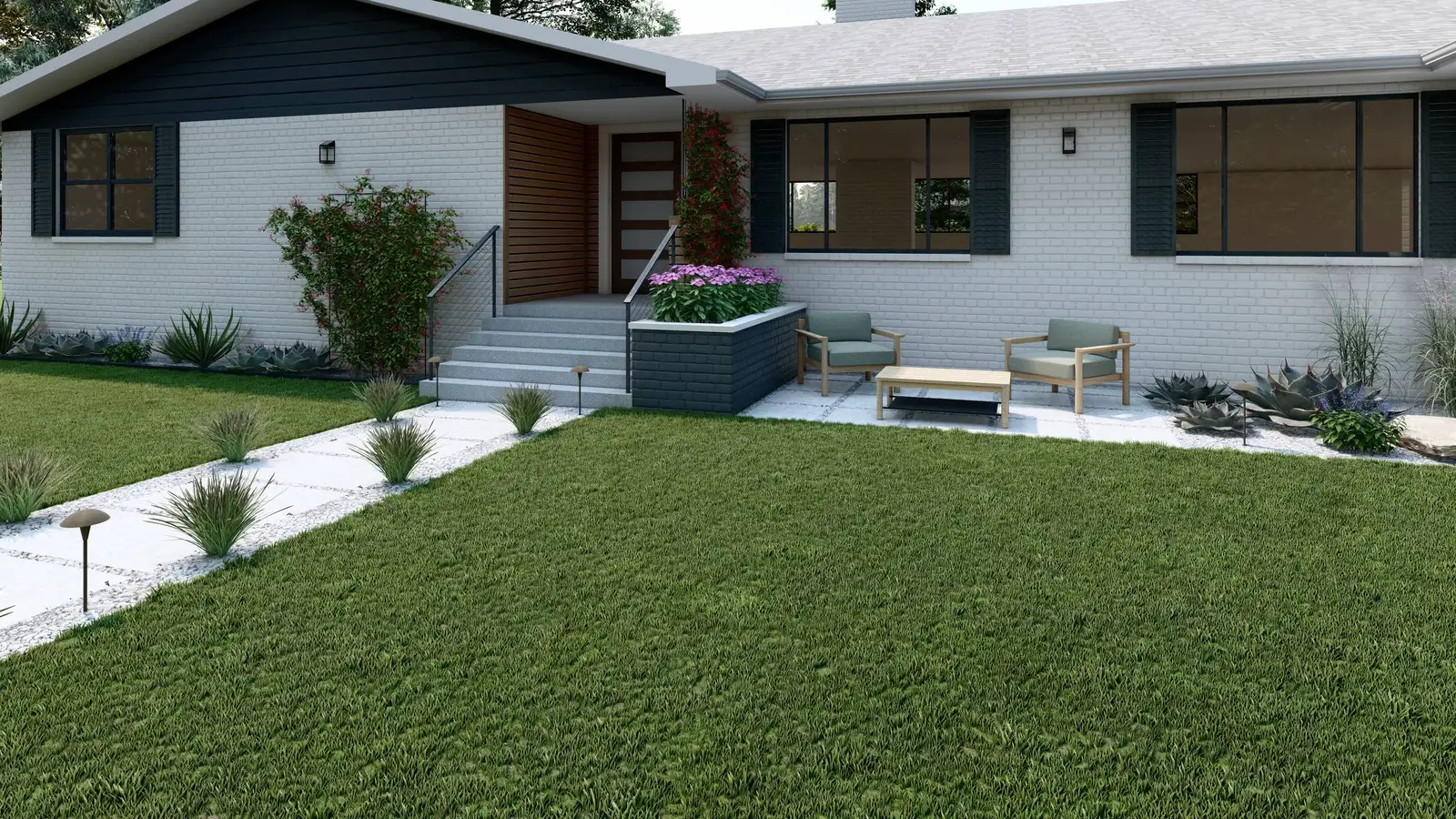
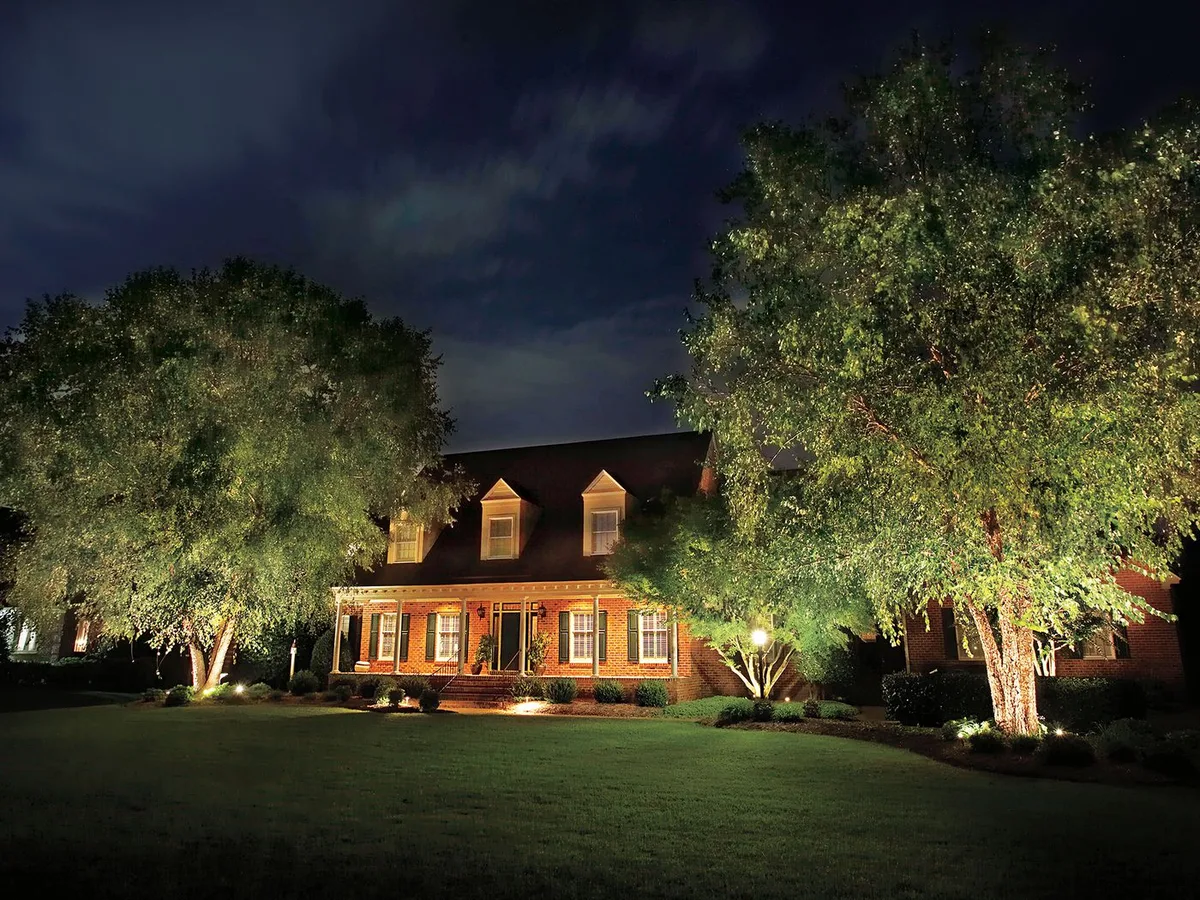
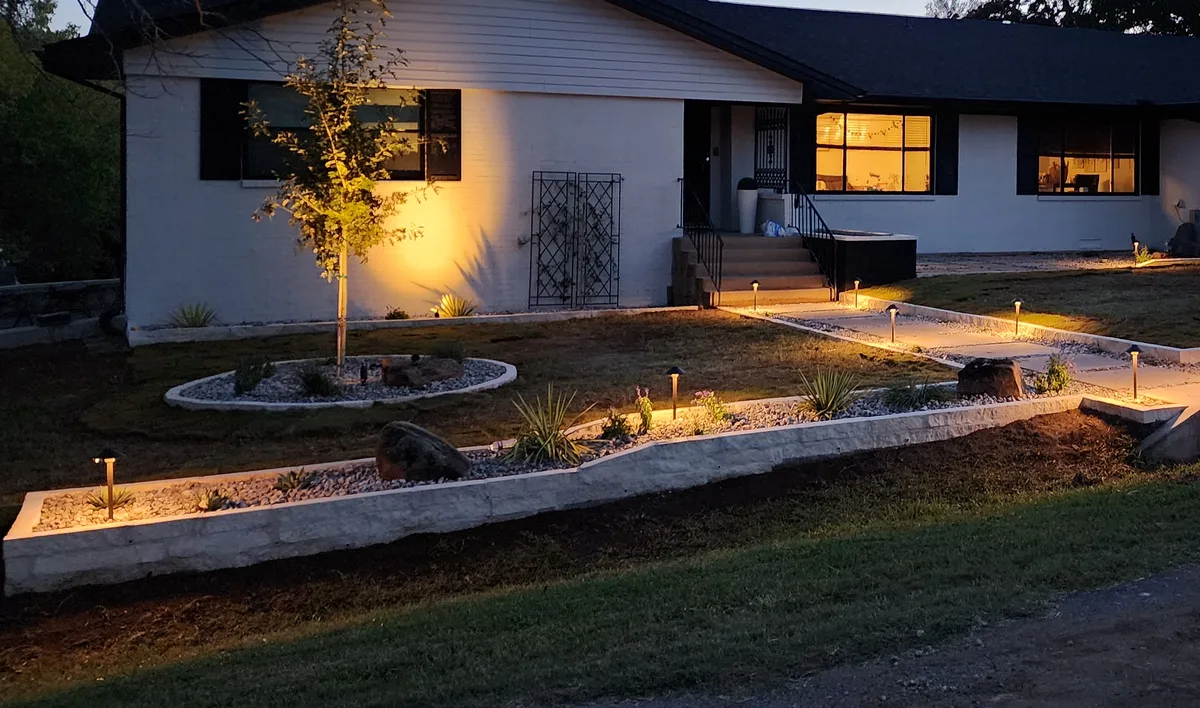
Gather daytime photographs, a simple sketch and a few notes from your evening walk. Number the priority areas on the sketch. Include photographs of lighting you like, but explain what appeals to you: a visible path, gentle stone texture or a softly lit garden beyond a window.
Lawn & Landcare offers landscape lighting as its own project or alongside agreed landscape improvements. Share the areas you use, the look you prefer and any renovation plans. The proposal can then address fixture locations, equipment, controls, installation and cleanup around a defined result.
Common questions
Do I need to decide the number of lights before requesting an estimate?
No. Identify the routes and features you want to illuminate, then review a proposed layout. Fixture count follows the task, placement and equipment; it is not a useful design goal by itself.
Should garden lighting stay on all night?
Choose operating times for the way you use each area and any applicable local rules. Timers or other suitable controls can limit operation to useful hours. Discuss the available controls for the specific system.
Can an existing lighting system be part of the plan?
Provide its equipment information and explain what works or needs improvement. Compatibility, condition, capacity and wiring need review before existing components are assumed reusable. The proposal should identify retained and replacement items.