Yes, when the phases share one overall plan
A landscape renovation can be built in phases, but the order matters as much as the size of each stage. Separate purchases become difficult to coordinate when a new bed blocks future equipment access or a finished lawn must be opened for later drainage work.
Start with a complete picture of the changes you want, even if you authorize only part of the installation now. Identify features to keep, future routes, planting areas and any unresolved site problems. The plan can then distinguish the first useful improvement from work that depends on earlier decisions.
Rank the project by dependencies and daily use
Begin with the conditions that affect other work. Water movement, access and existing irrigation may need attention before surfaces and planting are finished. A drainage concern should be understood early enough that its route and outlet do not conflict with a future patio or bed.
Then rank the places you use most. An entrance, a frequently crossed side yard or the bed seen from a main window may make a meaningful first phase. Choose a boundary that can look complete and be maintained, rather than scattering small unfinished changes across the property.
- Which work must happen before another feature can be built?
- Which area would improve everyday use immediately?
- What access must remain open for later deliveries?
- How will each completed stage be watered and maintained?
Coordinate underground work and stone before final planting
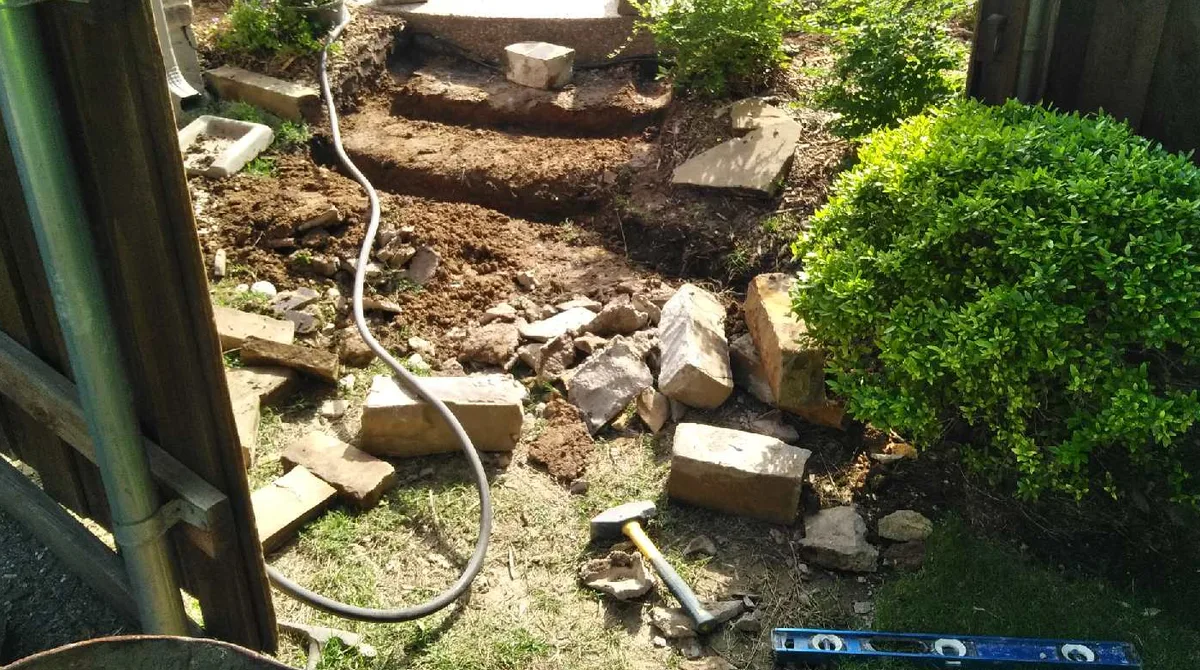
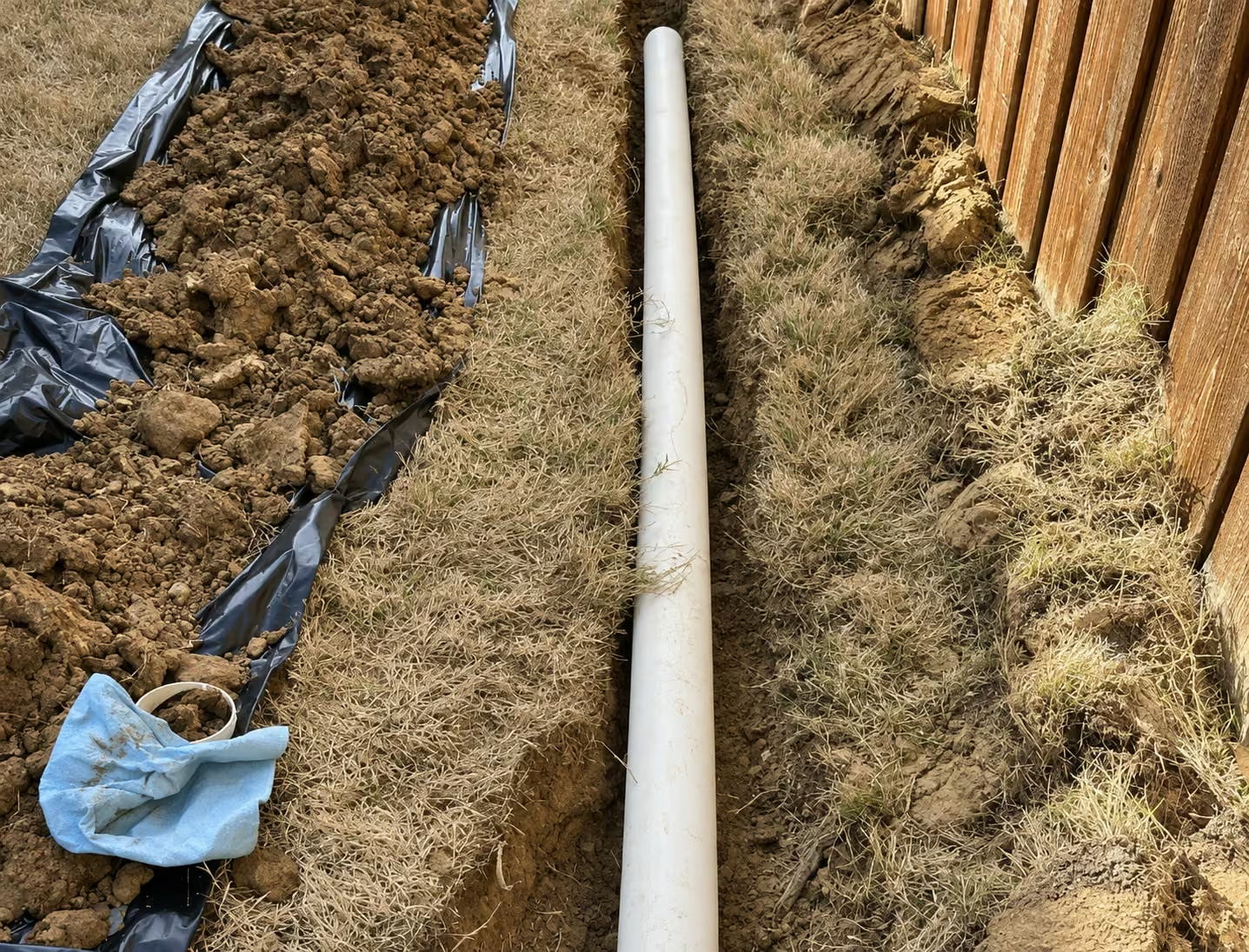
Where the scope includes drainage or irrigation changes, review them alongside proposed flagstone and borders. Ask whether later pipe routes, crossings or equipment access would disturb finished areas. Any future provision should have a defined purpose and be included only when the installer confirms it is appropriate.
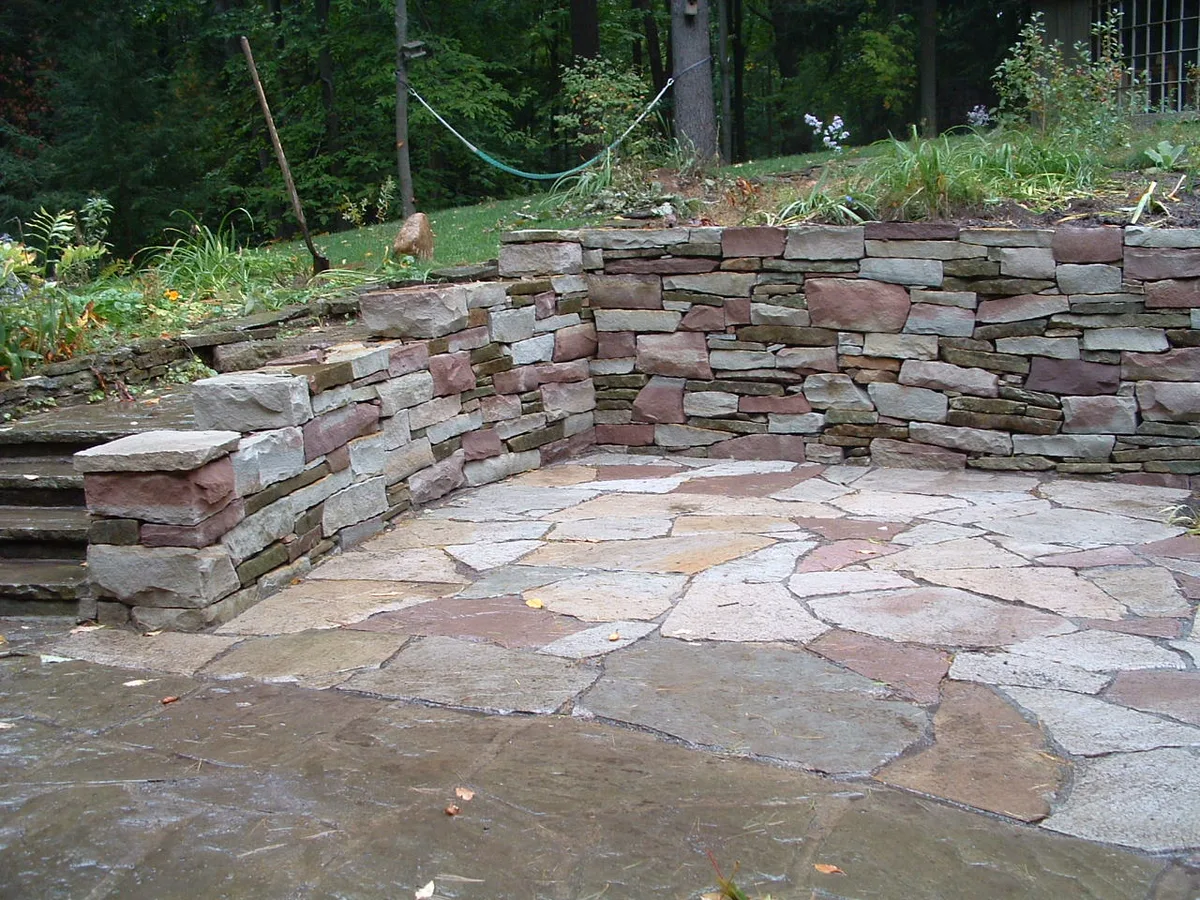
Stonework can also set the edges and levels of surrounding beds. Resolve how a path, patio or border meets the next phase before completing the planting beside it. This does not create a universal construction sequence; site conditions and the actual scope determine which tasks can be separated.
Give every phase a finished, usable stopping point
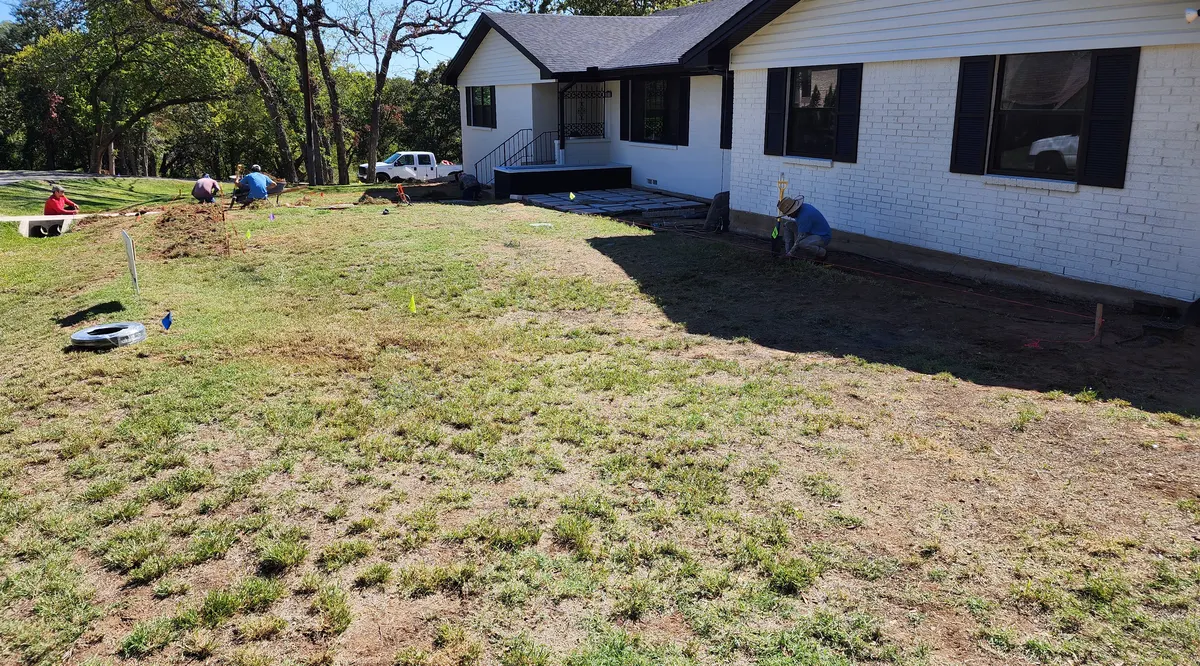
A paused project still needs a workable landscape. Ask how exposed soil, open bed edges, temporary access routes and the transition to untouched lawn will be handled. Define cleanup and restoration for each stage so a later phase is not an excuse for leaving the current one ambiguous.
New plants and sod need care even when the overall renovation remains incomplete. Confirm watering access and who handles establishment care. Avoid scheduling a planting phase immediately before an absence unless that care is arranged. Temporary conditions should be discussed as deliberately as permanent materials.
Treat phasing as a cash-flow choice, not an automatic saving
Phasing can spread spending and give you time to evaluate the first improvement. It can also involve repeat deliveries, setup or protection of completed areas. Ask which tasks are efficient to combine and which can wait without complicating the later work.
Keep a record of agreed materials, plant selections and the plan version. Availability and site conditions can change between stages, so later estimates may need updating. Ask for the current phase to be priced clearly and future work described without treating an early planning figure as a permanent offer.
Build a first phase that moves the whole project forward
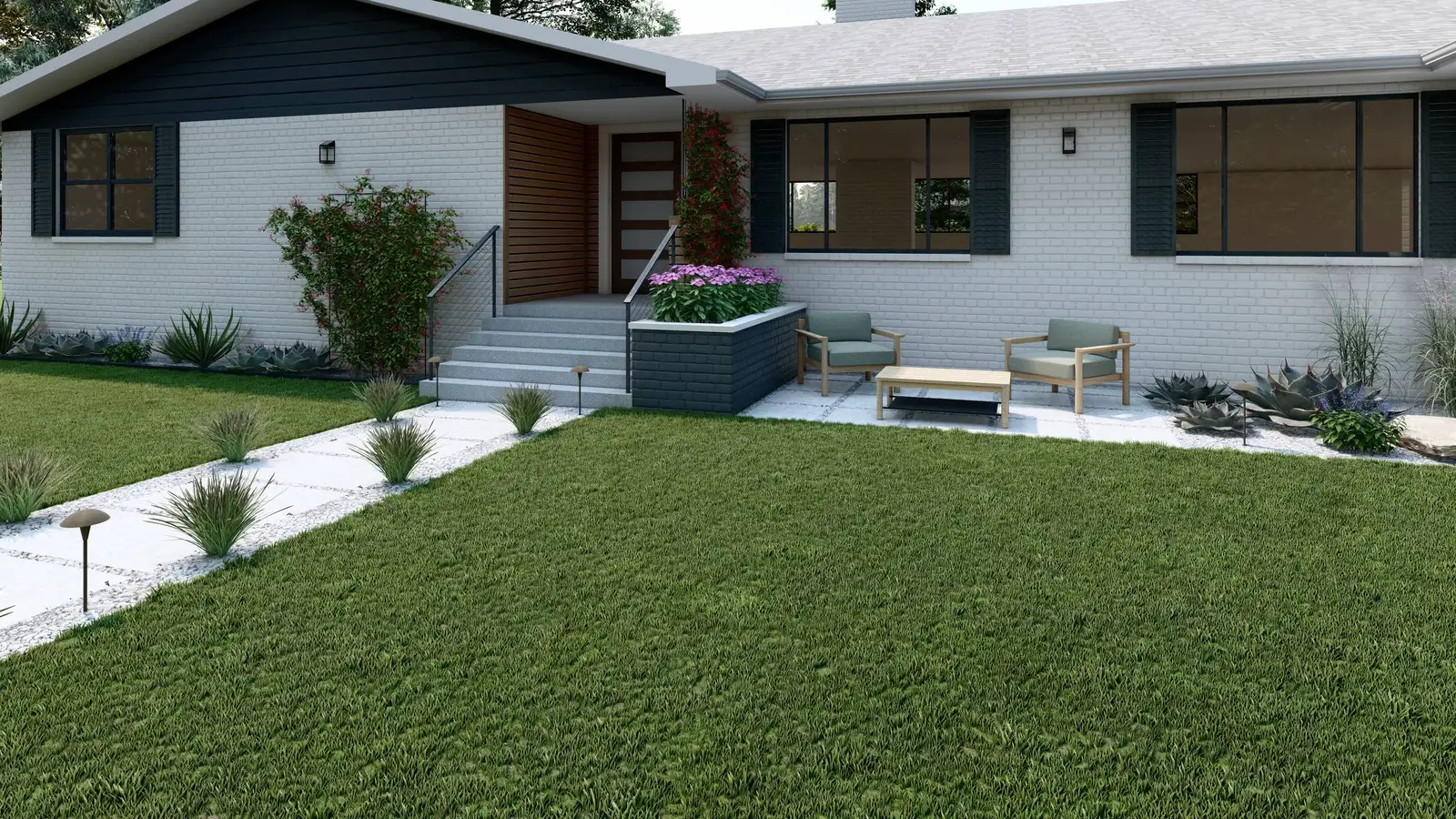
For a front-yard renovation, a useful discussion might pair drainage assessment and an entrance-bed rebuild now, with a connecting flagstone route considered later. Another property may need the route first because it defines the bed. The right order follows the site's needs.
Tell Lawn & Landcare your eventual goal, the amount you want to take on now and any dates or access constraints. We can discuss landscape design and a defined initial installation, with the later connections considered before the first area is finished.
Common questions
Can I start with the front yard and leave the back yard for later?
Often that is a practical division when the areas can function independently. Confirm whether shared access, drainage, irrigation or material choices connect the two. Those links may affect what needs to be planned now.
Should I buy all the plants for future phases immediately?
Not by default. Later selections and quantities may change, and living plants require suitable care while waiting. Discuss procurement timing and availability with the installer as each phase becomes ready.
Will a phased project cost less overall?
Not necessarily. It can spread spending, but repeated setup, deliveries and restoration may add work. Ask for the tradeoffs and identify which operations are worth combining before choosing the phase boundaries.