Landscaping
Lawn Care
Irrigation Services
Flower Mound, Lewisville, Frisco, McKinney, Plano, TX & Nearby Texas Areas

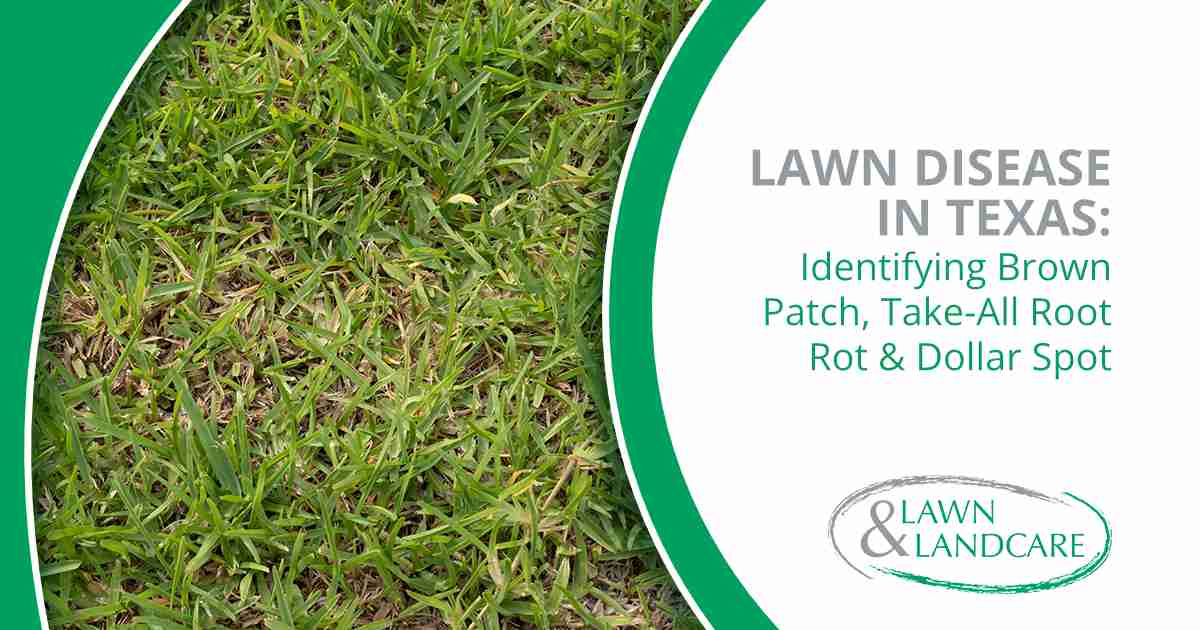
If your lawn has suddenly developed brown patches, yellowing grass, or thinning areas, it can be difficult to know whether you’re dealing with a lawn disease, drought stress, insect damage, or another problem. In Texas, warm temperatures and humid conditions create an environment where several common lawn diseases can develop quickly if left untreated. Learning how to identify brown patch, take-all root rot, and dollar spot can help homeowners take the right steps before the damage spreads.
Many lawn problems share similar symptoms, making it easy to mistake one issue for another. Brown patches may be caused by fungal disease, but they can also result from drought stress, insect activity, poor drainage, or nutrient deficiencies. Applying the wrong treatment often wastes time and money while allowing the real problem to worsen.
Correct identification is especially important because each lawn disease develops under different environmental conditions and requires a different management approach. Some diseases respond well to fungicides, while others require improvements to watering practices, soil health, or cultural maintenance. Recognizing the warning signs early helps protect the lawn and improves the chances of a full recovery.
Although homeowners can often spot unusual changes in their grass, diagnosing the exact cause is not always straightforward. Similar symptoms frequently overlap, especially during stressful weather conditions common in North Texas. Understanding the differences between the most common lawn diseases provides a better starting point before deciding on treatment.
Brown patch is one of the most common fungal lawn diseases affecting Texas landscapes. It primarily develops during warm, humid weather when moisture remains on the grass blades for extended periods. St. Augustine lawns are especially susceptible, although tall fescue and ryegrass may also be affected.
Brown patch typically appears as circular or irregular patches of brown grass that gradually expand over time. Many lawns develop a darker ring around the outside of the affected area, while individual blades often display tan lesions bordered by darker margins. The damaged turf may appear water-soaked before turning brown as the disease progresses.
The disease often spreads rapidly after rainy periods or when lawns receive excessive irrigation. Areas with poor air circulation or prolonged leaf moisture tend to experience more severe outbreaks. Without intervention, multiple patches may merge into larger damaged sections across the lawn.
St. Augustine grass is the turf variety most frequently affected by brown patch in Texas. Tall fescue and perennial ryegrass can also develop infections when environmental conditions favor fungal growth. Healthy Bermuda grass is generally less susceptible but may occasionally experience isolated issues under prolonged stress.
Lawns growing in shaded areas often remain damp longer than those receiving full sun. This extended moisture creates favorable conditions for fungal development and increases the likelihood of disease spreading. Maintaining good airflow around the turf helps reduce disease pressure.
Brown patch thrives when temperatures remain moderate while humidity stays high. Excessive watering, poor drainage, and watering late in the evening all contribute to prolonged moisture on grass blades. High nitrogen applications during susceptible periods may also encourage disease development.
Heavy thatch buildup can trap moisture and reduce airflow around the base of the turf. Combined with warm temperatures, these conditions create an ideal environment for fungal activity. Proper lawn maintenance plays an important role in reducing these risk factors.
Treatment typically begins by correcting the environmental conditions contributing to disease development. Watering deeply but less frequently, improving drainage, and mowing at the recommended height help reduce moisture buildup. Removing excess thatch and increasing sunlight exposure where possible also support healthier turf.
Fungicides may be recommended when disease activity is severe or spreading rapidly. Since timing and product selection vary depending on disease severity and lawn conditions, professional evaluation often provides the most effective results. A targeted treatment program addresses both the fungus and the underlying conditions that allowed it to develop.
Take-all root rot is a serious disease that attacks the root system rather than primarily affecting the grass blades. Because the damage occurs below the surface, many homeowners mistake the symptoms for drought stress or poor irrigation. By the time visible decline appears, the disease may already be well established.
The first signs often include yellowing grass that gradually becomes thin and weak. As the disease progresses, affected turf may pull up easily because the roots have deteriorated. Large irregular patches of declining grass eventually develop as the weakened root system struggles to support healthy growth.
Unlike some surface diseases, take-all root rot causes long-term damage to the plant’s ability to absorb water and nutrients. Grass may continue declining even when irrigation increases because the roots can no longer function effectively. This is one reason why accurate diagnosis is so important.
St. Augustine grass is highly susceptible to take-all root rot in Texas landscapes. Bermuda grass may occasionally develop infections, particularly when growing under stressful environmental conditions. Other warm-season grasses can also experience problems when soil health declines.
Lawns weakened by improper watering, nutrient imbalances, or compacted soil often become more vulnerable to root diseases. Healthy root development is one of the best natural defenses against long-term turf decline. Maintaining balanced growing conditions helps reduce disease risk.
Several environmental factors contribute to take-all root rot development. Poor drainage, excessive soil moisture, compacted soil, and seasonal stress can all weaken turf and encourage disease activity. Periods of fluctuating temperatures during spring and fall often create favorable conditions for infection.
Root stress caused by overwatering or poor soil structure further increases susceptibility. Once the root system becomes compromised, grass struggles to recover even after weather conditions improve. Addressing the underlying environmental issues is essential for long-term success.
Managing take-all root rot focuses on improving overall soil and root health. Proper irrigation practices, better drainage, balanced fertilization, and reducing turf stress all support recovery. Fungicides may be appropriate in certain situations but work best as part of a comprehensive management plan.
Recovery from take-all root rot often requires patience because damaged roots need time to regenerate. Professional diagnosis helps confirm the disease and identify contributing environmental conditions that should also be corrected. Long-term improvements typically produce better results than relying on fungicides alone.
Dollar spot is another common fungal disease that affects many turfgrass varieties throughout Texas. The disease receives its name from the small circular patches that often resemble the size of a silver dollar. Although each spot begins relatively small, multiple infections can merge into larger damaged areas over time.
Dollar spot usually appears as straw-colored circular patches scattered throughout the lawn. During humid mornings, homeowners may notice a fine, web-like fungal growth covering affected grass blades. As more patches develop, the lawn may begin to look thin and uneven.
Individual grass blades often display narrow lesions with bleached centers and darker edges. These symptoms can resemble drought stress if viewed from a distance. Closer inspection usually reveals the distinctive spotting pattern associated with the disease.
Dollar spot commonly affects Bermuda grass and Zoysia lawns in Texas. Bentgrass and fescue are also susceptible under favorable environmental conditions. Any turf experiencing nutritional or environmental stress becomes more vulnerable to infection.
Grass growing in areas with heavy dew or extended moisture frequently develops more severe outbreaks. Lawns receiving inconsistent fertilization may also experience greater disease pressure. Balanced lawn care helps strengthen turf against infection.
Dollar spot develops when humidity remains high while nitrogen levels in the lawn remain relatively low. Frequent dew formation, prolonged moisture, and environmental stress all contribute to disease activity. Warm temperatures combined with poor airflow further increase the likelihood of infection.
Overwatering may worsen conditions by extending the amount of time grass blades remain wet. Lawns that receive uneven irrigation often experience inconsistent turf health, creating additional stress. Maintaining proper watering practices helps reduce favorable conditions for fungal growth.
Treatment usually includes correcting nutritional deficiencies and improving moisture management. Applying fertilizer based on the lawn’s actual needs often strengthens turf and reduces disease severity. Watering early in the morning instead of the evening also helps grass dry more quickly.
Fungicides may be recommended when infections become widespread or persistent. Preventive maintenance, including proper mowing, irrigation, and fertilization, provides long-term protection against future outbreaks. A comprehensive lawn care program reduces the likelihood of recurring disease problems.
Although these lawn diseases share several symptoms, each has characteristics that help narrow down the possible cause. Homeowners should remember that visual symptoms often overlap, making professional diagnosis valuable when damage continues spreading. Comparing several identifying features provides a helpful starting point.
Seasonal timing also provides useful clues. Brown patch and take-all root rot commonly become active during spring and fall weather transitions, while dollar spot often develops during warm periods with persistent humidity. Even with these differences, laboratory testing or professional inspection may be needed to confirm the exact disease.
Although lawn diseases cannot always be prevented, good lawn care practices can significantly reduce the risk of infection. Watering early in the morning, improving drainage, mowing at the proper height, and maintaining balanced soil fertility all help create healthier turf that is more resistant to disease. Regular lawn inspections also make it easier to spot early warning signs before problems become widespread.
Misidentifying lawn disease often leads homeowners to purchase products that do not address the real problem. Applying the wrong fungicide, increasing irrigation unnecessarily, or adding fertilizer without understanding the underlying cause can make conditions worse. Professional diagnosis eliminates much of the guesswork by evaluating the lawn as a complete system.
A thorough evaluation considers irrigation practices, soil drainage, turf variety, environmental conditions, and the appearance of affected grass. This comprehensive approach makes it easier to distinguish between fungal disease, insect damage, drought stress, and nutrient deficiencies. Customized recommendations provide more effective and efficient long-term results than trial-and-error treatments.
If you notice unusual discoloration, thinning turf, or expanding patches in your lawn, professional evaluation can help identify the cause before additional damage occurs. Learn more about the company’s professional lawn disease control services to see how a customized treatment plan can help restore and protect your lawn. Early diagnosis and targeted treatment help restore lawn health while reducing unnecessary expenses and preventing future outbreaks.
Healthy lawns depend on more than simply watering and mowing on a regular schedule. Recognizing the warning signs of brown patch, take-all root rot, and dollar spot allows homeowners to respond quickly before the disease spreads throughout the landscape. When symptoms become difficult to identify or continue worsening despite maintenance efforts, scheduling a professional lawn evaluation can provide the accurate diagnosis and customized treatment plan needed to protect your Texas lawn.