Price the finished bed, not just the material
A mulch estimate should explain what happens before the new material is spread. Removing weeds, clearing debris, handling accumulated mulch and restoring a bed edge can change both the work involved and the result. A material-only comparison can hide those differences.
Start by identifying the beds included and the condition you want at completion. A recently maintained bed may need a light refresh; a neglected bed with weeds, unwanted plants and buried edges needs more preparation. Ask for those tasks to be listed so you are comparing the same finished condition.
How can we help with your property?
Share the work you have in mind. Our office follows up within one business day.
Request an estimate (214) 293-3793Identify the beds and their boundaries
Mark front beds, side beds, tree rings and any separate areas on photographs or a simple plan. Specify which plants and existing borders stay. Include access through gates, steps or narrow passages that affects how material reaches the work area.
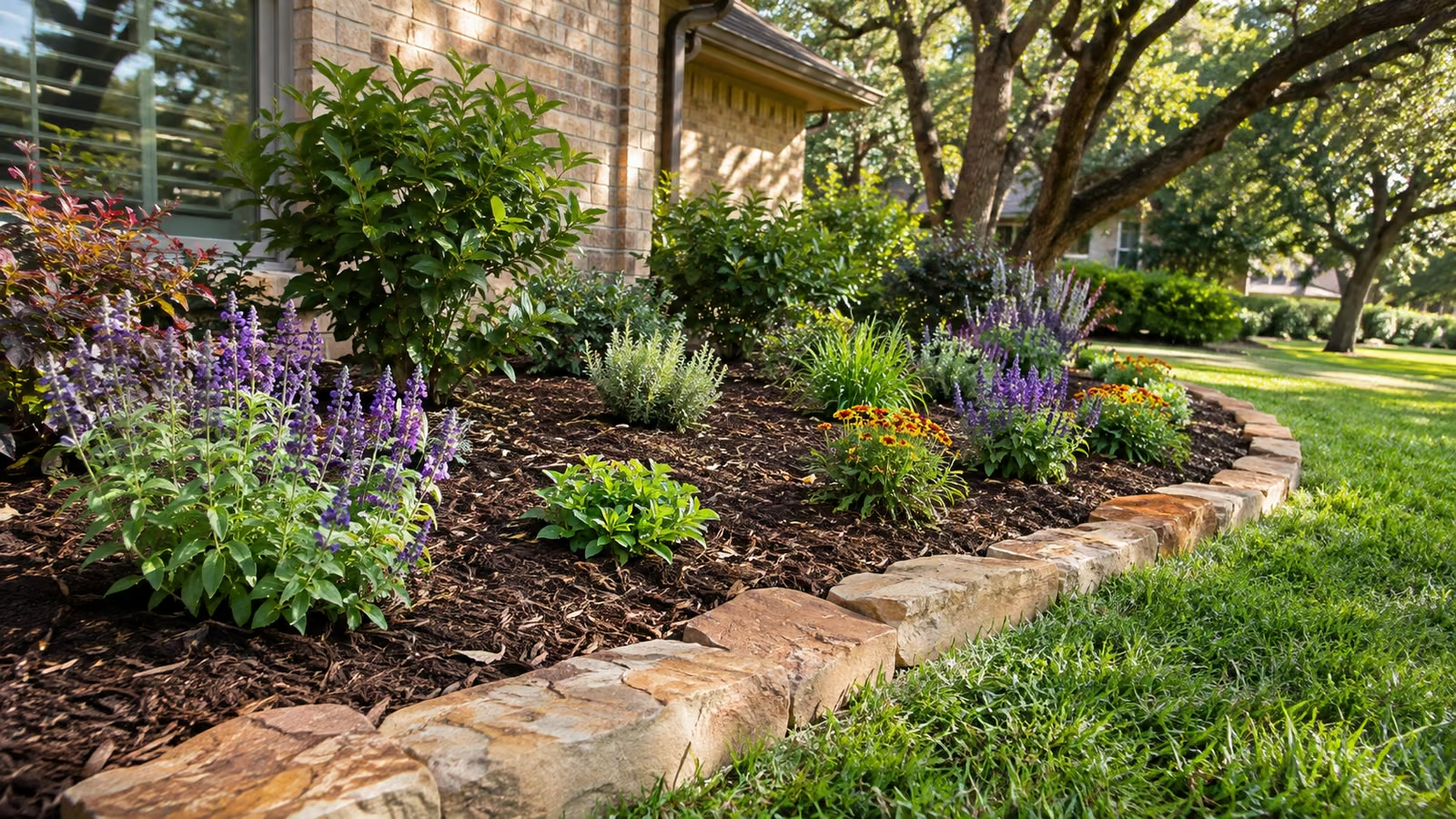
Confirm whether the proposal includes restoring an existing edge or building a new border. Those are different tasks. Recutting the outline of a bed does not necessarily include installing stone, and replacing a damaged border should not be assumed from a general cleanup description.
If the bed shape is changing, settle the new boundary before material quantities are finalized. This avoids comparing one estimate for a cosmetic refresh with another that quietly includes expanding the bed.
Specify weeds, debris and pruning separately
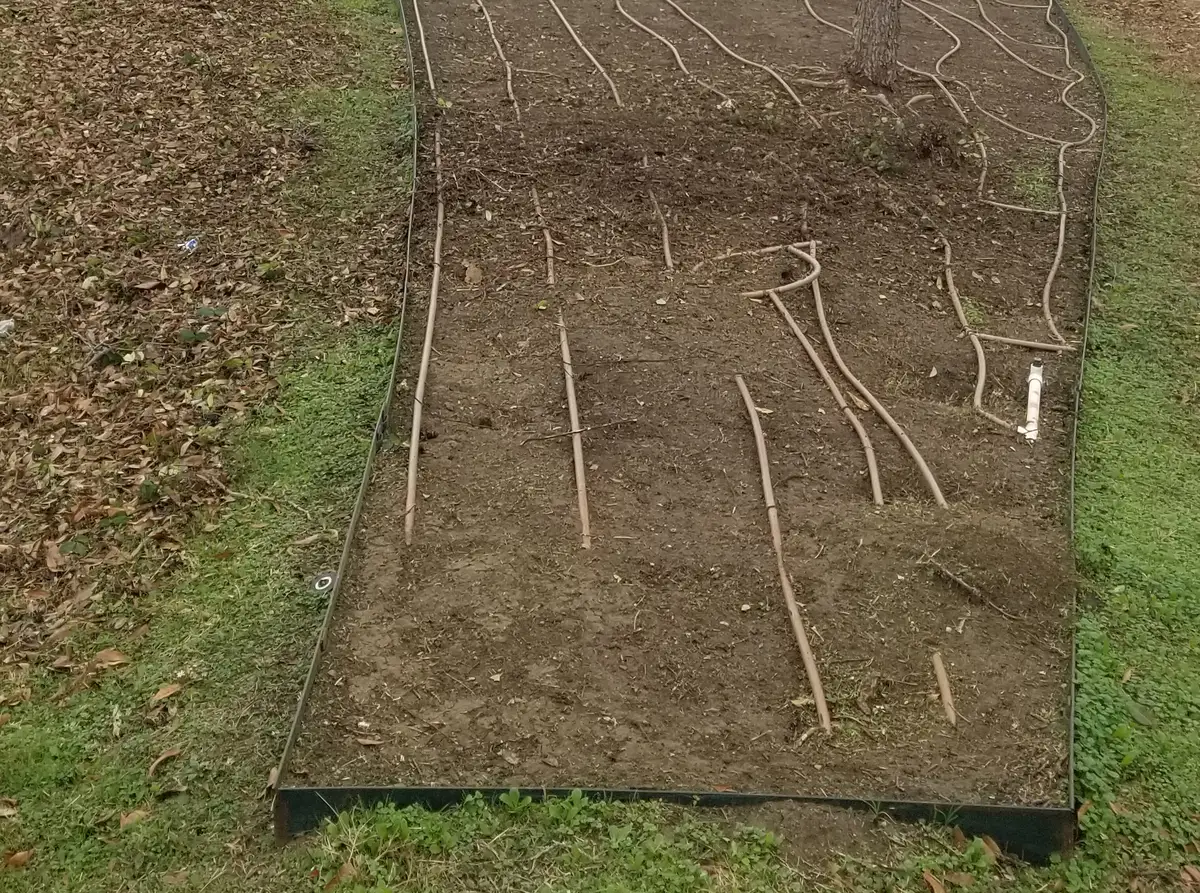
Mulch helps suppress weeds, but it does not replace dealing with established weeds before installation. Identify whether hand weeding, removal of unwanted growth and debris cleanup are included. Persistent weeds may require a continuing management plan rather than one pass followed by mulch.
Ask what happens to fallen leaves, dead annuals, selected unwanted plants and material removed from the bed. State whether hauling and disposal are included. If shrub trimming is requested, list the plants and intended work; pruning needs depend on plant type and condition.
Where a treatment is proposed, confirm the actual product, purpose and any access instructions before application. Do not assume a bed cleanup automatically includes herbicide or that every treatment suits nearby plants. Keep those decisions visible in the scope.
Evaluate the layer already in place
Existing organic mulch may still be useful. Ask whether it needs redistribution, partial removal or replenishment rather than assuming every refresh requires complete stripping or another full layer. The relevant measure is the finished total depth, including material that remains.
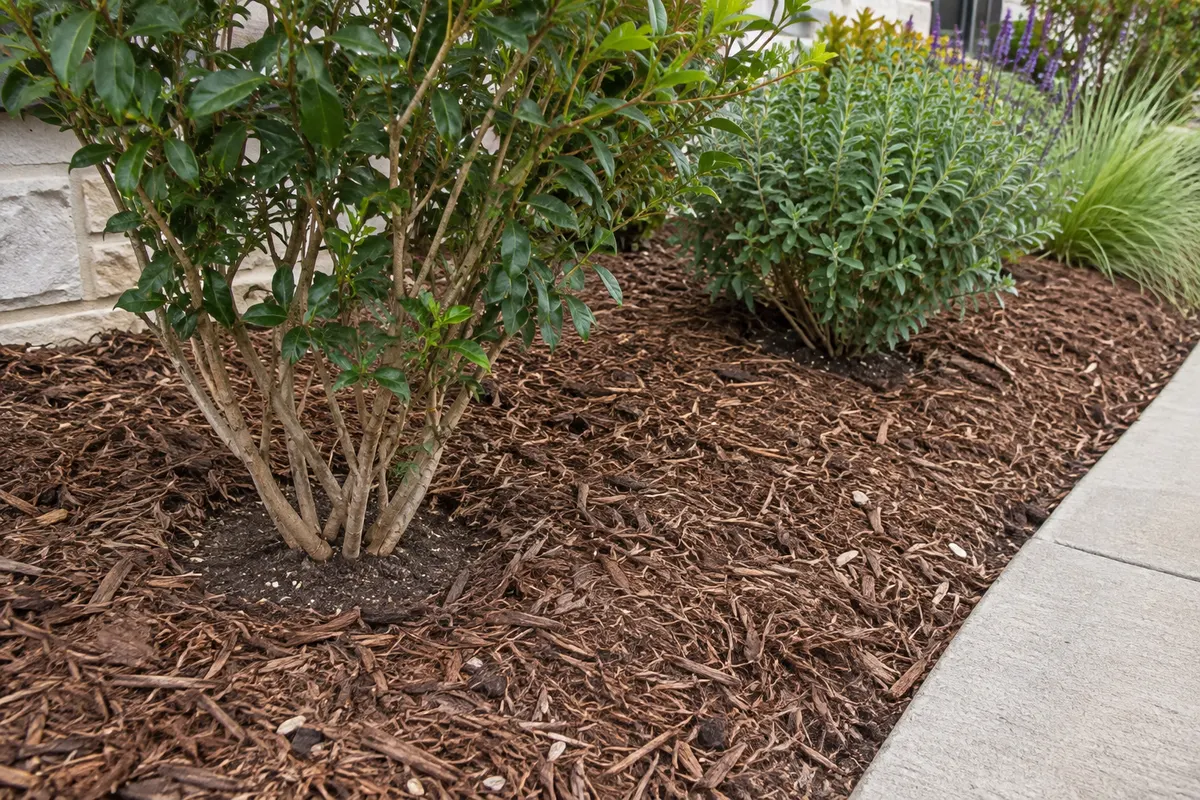
Look for mulch piled against trunks, woody stems or plant crowns, and for material that has buried edging, irrigation components or drainage inlets. The refresh should correct those problems instead of covering them.
Organic mulches break down over time, so future replenishment is part of care. How much to add depends on the current layer, material and planting. Ask the proposal to describe the intended coverage and finished depth rather than relying only on a truckload or bag count.
Choose the material and placement together
Specify the mulch type and appearance you are approving. Texture, color and how the material fits the planting all matter. If a product is being changed, discuss the visible result and the handling of existing material before delivery.
Keep appropriate clearance around trunks and stems, leave plant crowns at their proper level and retain access to irrigation and drainage components. Mulch should cover the intended soil area without becoming a mound against the plant.
If mulch repeatedly washes onto a walk or gathers at the low end of a bed, investigate the water route before adding more. Roof runoff, irrigation or grading may need attention. A fresh layer can improve appearance, but it does not resolve the cause of repeated displacement.
Confirm cleanup and the next care step
Include protection of nearby lawn and surfaces during delivery, the final removal of loose material from walks and the handling of empty bags or other debris. Ask how irrigation coverage will be checked where mulch or shrub work could affect outlets. The bed should remain maintainable after the crew leaves.
Decide whether this is a one-time refresh or the starting point for recurring bed care. Regular attention to weeds, plant growth and mulch condition can be discussed as its own scope. A larger planting redesign should be identified separately if the existing bed no longer fits the property.
Lawn & Landcare offers mulch installation, bed cleanup, planting and ongoing maintenance. Send photographs, identify the beds and describe what you want included. We can discuss preparation and finishing work together so the estimate reflects the result you are trying to achieve.
Common questions
Should all old mulch be removed before new mulch is added?
Not automatically. Evaluate the existing material, accumulated depth and plant clearances first. The scope may call for redistribution, selective removal or replenishment depending on the bed's condition.
Does mulch installation include shrub trimming and weed treatment?
Only if those tasks are included in the agreed scope. List hand weeding, pruning and any proposed treatment separately so their purpose, extent and instructions are clear.
Why might a cleanup-and-mulch estimate cost more than a mulch-only quote?
The preparation may include weed removal, accumulated material handling, edge work, pruning or disposal. Compare the included tasks and finished bed condition before treating the material quantity as the whole job.