Landscaping
Lawn Care
Irrigation Services
Flower Mound, Lewisville, Frisco, McKinney, Plano, TX & Nearby Texas Areas

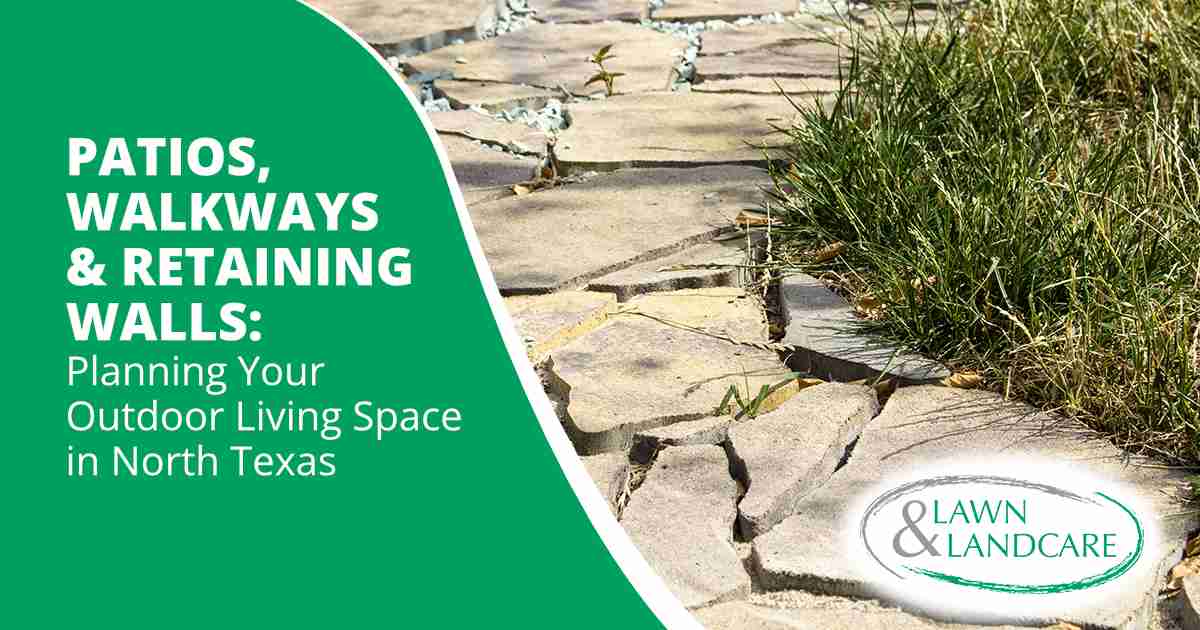
An outdoor living space can significantly expand the functionality and enjoyment of a home, creating areas for relaxation, entertaining, and everyday activities. While many homeowners begin by envisioning a new patio, successful outdoor living projects involve much more than adding a single feature. Careful planning brings together patios, walkways, and retaining walls into a cohesive design that complements the property’s layout while addressing the unique environmental conditions found throughout North Texas.
Creating an outdoor living space begins with understanding how different hardscape elements work together to support both beauty and functionality. Rather than viewing patios, walkways, and retaining walls as separate additions, homeowners benefit from designing them as part of a unified landscape plan. This approach creates better traffic flow, improves usability, and allows every feature to contribute to the overall appearance of the property.
Planning also helps account for North Texas conditions before construction begins. Expansive clay soils, seasonal drought, intense summer heat, and periods of heavy rainfall can all influence how outdoor structures perform over time. Addressing these factors during the design phase helps reduce future maintenance while supporting long-term durability.
Before selecting materials or deciding on individual hardscape features, homeowners should evaluate how they intend to use the space both now and in the future. Planning for entertaining, outdoor dining, recreation, and potential additions helps create a landscape that remains functional as needs evolve. Taking a comprehensive approach from the beginning also makes it easier to develop a realistic budget while minimizing costly design changes later.
Drainage planning should also be considered during the earliest stages of design rather than after construction begins. Evaluating grading, water runoff, and existing drainage patterns helps determine the most suitable locations for patios, walkways, and retaining walls. Addressing these conditions early contributes to the long-term performance of every hardscape feature.
A comprehensive outdoor living plan also considers how homeowners intend to use the space throughout the year. Areas for entertaining, dining, gardening, and recreation often require different layouts, materials, and elevations to function efficiently. Evaluating these needs early creates a more enjoyable outdoor environment that adapts to changing lifestyles.
Patios often serve as the foundation of an outdoor living project, creating comfortable areas for gathering, dining, and relaxing while supporting a cohesive North Texas outdoor living design. They establish the primary destination within the landscape while providing a stable surface that connects seamlessly with surrounding features. A thoughtfully designed patio also increases the usability of outdoor areas throughout much of the year.
The location and size of a patio should reflect both the home’s architecture and the surrounding landscape. Positioning the patio to maximize shade, privacy, and accessibility creates a more inviting space while supporting future additions such as outdoor kitchens or fire features. Proper planning also allows patios to integrate naturally with walkways, gardens, and retaining walls.
Patios can accommodate a variety of outdoor activities depending on the homeowner’s goals. Whether serving as an outdoor dining area, a gathering space around a fire pit, or a quiet retreat for relaxation, the layout should encourage comfortable movement and flexible use. Designing these spaces with furniture placement and future expansion in mind helps maximize long-term enjoyment.
Many outdoor living projects also include dedicated zones for multiple activities. Separating cooking, dining, and seating areas creates a more organized environment while allowing larger groups to gather comfortably. This intentional arrangement improves functionality without making the space feel crowded.
Material selection plays an important role in how well a patio performs under North Texas weather conditions. Popular choices include concrete, pavers, natural stone, and stamped concrete, each offering different advantages in appearance, durability, and maintenance requirements. Selecting materials that withstand prolonged sun exposure and temperature fluctuations contributes to long-lasting performance.
Surface texture and color also influence comfort during the hottest months of the year. Some materials absorb more heat than others, while textured finishes may improve traction after rainfall. Choosing materials that balance aesthetics with practical performance helps create an outdoor living space that remains attractive and functional through every season.
Walkways do more than connect one area of the yard to another. They are an essential element of outdoor hardscaping, helping organize movement while complementing the overall hardscape design. Well-designed walkways also strengthen the visual connection between landscape features while enhancing the overall character of the property.
A walkway should feel like an intentional part of the outdoor living design rather than an afterthought. Curved or straight pathways can complement the home’s architecture while accommodating the property’s layout and elevation changes. Proper planning also helps reduce unnecessary foot traffic across lawns and planting beds.
Strategically placed walkways make it easier to move throughout the property while improving safety for family members and guests. Connecting patios with pool areas, gardens, side yards, entrances, and outdoor gathering spaces encourages smooth circulation and minimizes worn pathways through landscaped areas. Well-planned routes also improve convenience during daily use.
Walkways can also define transitions between different outdoor environments. Subtle changes in materials, borders, or width help distinguish gathering areas from circulation routes without disrupting the overall landscape design. These design details contribute to a cohesive and visually balanced outdoor living space.
Several materials perform well for walkway construction depending on the desired appearance and function. Pavers, flagstone, concrete, and gravel each provide different aesthetic qualities while offering varying levels of maintenance and durability. Selecting the right material depends on drainage conditions, expected traffic, and the surrounding landscape.
Slip resistance becomes particularly important in areas exposed to irrigation or frequent rainfall. Durable materials that resist cracking and settling also help reduce future repairs, especially in regions where soil movement may occur. Thoughtful material selection supports both safety and long-term performance.
Retaining walls provide structural support while adding visual interest to an outdoor living space. Although they often become necessary on sloped properties, retaining walls can also define planting beds, create usable terraces, and separate functional outdoor areas. Their combination of engineering and aesthetics makes them an important component of many landscape designs.
Not every property requires a retaining wall, but understanding when one becomes beneficial helps homeowners make informed planning decisions. Elevation changes, erosion concerns, and drainage challenges often indicate the need for additional structural support. Incorporating retaining walls into the initial design can prevent more significant issues as the landscape matures.
North Texas properties frequently experience expansive clay soils that expand during wet periods and shrink during drought. These natural soil movements can contribute to erosion, uneven ground, and shifting landscape features if not properly addressed. Retaining walls help stabilize slopes while supporting drainage management across the property.
Proper drainage remains one of the most important considerations during retaining wall design. Redirecting water away from structures, reducing runoff, and protecting surrounding landscape features all contribute to long-term stability. Integrating drainage solutions during construction helps improve both structural performance and landscape health.
Retaining walls are available in several materials, including natural stone, concrete block, and engineered segmental retaining wall systems. Each option offers different visual characteristics while providing varying levels of strength, maintenance, and design flexibility. Material selection often depends on the property’s style, elevation changes, and functional requirements.
Engineering considerations become increasingly important as retaining wall height and load requirements increase. Proper base preparation, drainage systems, and structural design all contribute to long-term durability and performance. Professional planning helps ensure retaining walls remain both attractive and structurally sound for years to come.
The most successful outdoor living spaces are designed as complete environments rather than collections of individual projects. Patios provide gathering spaces, walkways establish circulation, and retaining walls create stability while shaping the landscape. When planned together, these features produce a balanced design that supports both everyday living and outdoor entertaining.
A cohesive landscape design also improves the property’s visual appeal by creating consistency in materials, colors, and layout. Coordinating hardscape elements with planting beds, lighting, and lawn areas results in a unified outdoor environment that feels intentional rather than pieced together. This thoughtful planning often increases both usability and long-term property value.
Consistency in material selection, proportions, and architectural style further strengthens the overall design. Repeating complementary colors, textures, and finishes throughout patios, walkways, and retaining walls creates visual continuity while helping each feature feel like part of a single outdoor environment. This cohesive approach enhances both curb appeal and the everyday enjoyment of the property.
Designing the entire outdoor living project from the beginning also allows homeowners to plan for future additions. Features such as pergolas, outdoor kitchens, water features, or expanded seating areas can often be incorporated more efficiently when the original layout anticipates future growth. A comprehensive plan reduces costly modifications later while supporting a more seamless final result.
Environmental conditions throughout North Texas play a major role in outdoor construction decisions. Expansive clay soils, seasonal drought, heavy rainstorms, and periods of extreme heat all affect how hardscape features perform over time. Designing with these conditions in mind helps improve durability while reducing maintenance requirements.
Proper grading and drainage planning remain essential components of any outdoor living project. Directing water away from patios, walkways, retaining walls, and nearby structures helps minimize erosion while protecting the integrity of hardscape installations. These measures also contribute to healthier landscapes by preventing standing water and soil displacement.
Material selection should also reflect the demands of the local climate and support a durable landscape design in North Texas that performs well throughout the year. Durable products that tolerate prolonged sun exposure, shifting soils, and occasional freeze-thaw cycles generally provide better long-term performance than materials chosen solely for appearance. Combining quality materials with thoughtful design creates outdoor spaces that remain attractive despite changing seasonal conditions.
Professional planning helps ensure every aspect of an outdoor living project works together from the beginning. Site evaluations, grading analysis, drainage planning, material selection, and structural considerations all contribute to a landscape that functions efficiently while complementing the property’s natural characteristics. Addressing these factors early often prevents unnecessary repairs and costly redesigns later.
Experienced outdoor living professionals can also identify site-specific challenges before construction begins. Soil movement, elevation changes, drainage patterns, and local permitting requirements may influence design decisions that homeowners might otherwise overlook. Careful planning allows these challenges to be incorporated into the overall design rather than becoming obstacles during construction.
Homeowners interested in creating a functional, attractive outdoor environment can learn more about professional outdoor living design and how integrated planning helps patios, walkways, retaining walls, and landscaping work together to create lasting outdoor spaces.
A well-designed outdoor living space brings patios, walkways, and retaining walls together into a cohesive landscape that supports both beauty and long-term functionality. Lawn & Landcare helps homeowners plan outdoor living spaces tailored to North Texas conditions, incorporating thoughtful design, proper drainage, and durable materials that perform for years to come. Whether creating a new outdoor retreat or upgrading an existing landscape, professional planning helps ensure every feature works together as part of a unified design.