Landscaping
Lawn Care
Irrigation Services
Flower Mound, Lewisville, Frisco, McKinney, Plano, TX & Nearby Texas Areas

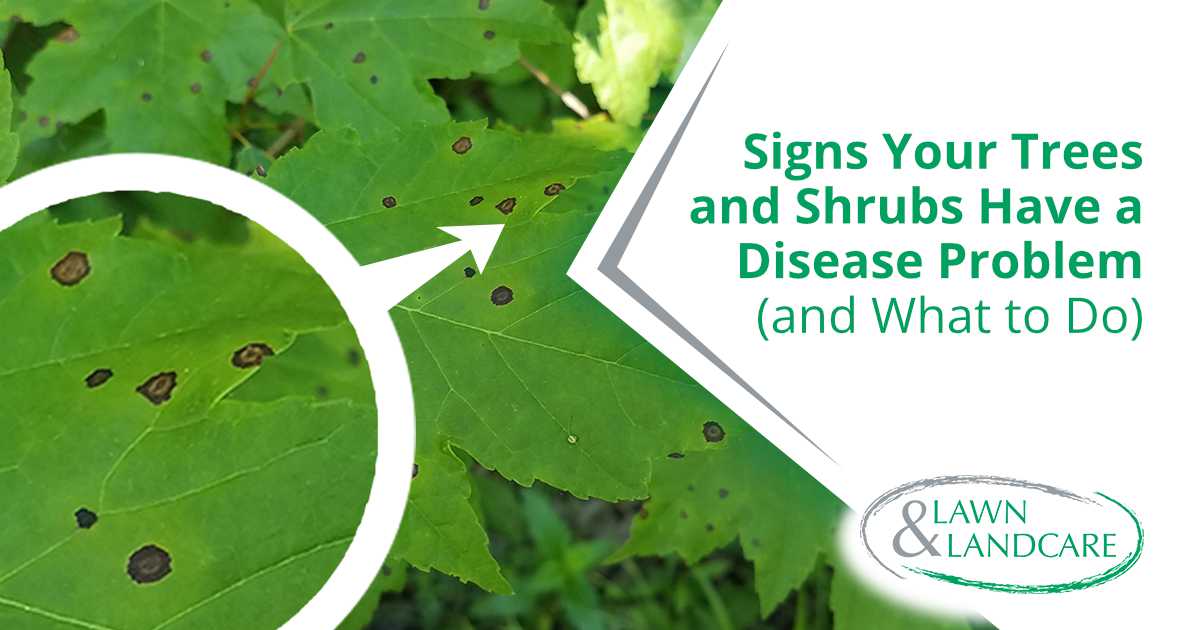
Healthy trees and shrubs contribute beauty, shade, and lasting value to residential landscapes throughout North Texas. Like any living plant, however, they can develop diseases that affect their appearance, structural integrity, and long-term health. Recognizing the early warning signs allows homeowners to address problems before they become severe.
Many plant diseases begin with subtle symptoms that are easy to mistake for drought stress, nutrient deficiencies, or insect damage. Waiting too long or applying the wrong treatment can allow diseases to spread throughout the landscape. Professional diagnosis remains the most reliable way to identify the underlying cause and recommend the appropriate solution.
Tree and shrub diseases rarely improve without intervention once they become established. Some diseases spread gradually, while others can cause rapid decline under favorable environmental conditions. Identifying problems early often provides the best opportunity to preserve valuable landscape plants.
North Texas experiences periods of heat, humidity, and seasonal rainfall that create favorable conditions for various fungal and bacterial diseases. These changing weather patterns can increase plant stress while encouraging disease development. Because symptoms often resemble other plant health issues, accurate diagnosis is essential before treatment begins.
Early detection also helps prevent diseases from spreading to nearby trees and shrubs. Addressing affected plants promptly may reduce the risk of additional landscape damage while protecting the overall health and appearance of the property.
Leaves often provide the earliest indication that something is affecting a plant’s health. Yellowing outside of normal seasonal changes, uneven discoloration, or leaves that turn brown prematurely may all signal an underlying disease. While nutrient deficiencies can also cause discoloration, disease-related symptoms frequently appear alongside additional signs of decline.
Chlorosis, or yellowing between leaf veins, sometimes results from soil conditions rather than disease. However, widespread discoloration accompanied by wilting, spotting, or branch dieback warrants closer evaluation. Observing multiple symptoms together provides a clearer picture of the plant’s condition.
Leaf spots often begin as small brown, black, or purple lesions before expanding across the leaf surface. As the disease progresses, affected leaves may curl, dry out, or fall prematurely. Repeated defoliation weakens trees and shrubs over time by reducing their ability to produce energy through photosynthesis.
Common symptoms include:
One example commonly seen in North Texas is Cercospora leaf spot, which frequently affects ornamental shrubs during warm, humid weather. Although symptoms may appear minor initially, untreated infections can reduce plant health over successive growing seasons.
Wilting does not always indicate that a plant needs additional water. When soil moisture appears adequate, but leaves continue to wilt, or branches begin drooping, disease affecting the plant’s vascular system may be preventing water from moving normally. This type of symptom deserves prompt attention because several serious diseases produce similar effects.
Oak wilt is one of the most concerning examples affecting North Texas landscapes. The disease interferes with water movement inside oak trees, causing rapid leaf discoloration, wilting, and premature leaf drop. Early recognition and professional management are critical because oak wilt can spread to nearby trees.
Disease often causes branch tips to decline before affecting larger portions of the tree or shrub. As dieback progresses, homeowners may notice sparse canopies, dead limbs, or reduced annual growth. These symptoms usually indicate that the problem has been developing for some time.
Progressive dieback should never be ignored because it may signal internal disease rather than simple environmental stress. Dead branches also create potential safety concerns if they become unstable during storms or high winds.
The bark serves as a protective barrier against insects, disease organisms, and environmental stress. Sunken areas, cracks, oozing sap, or visible cankers may indicate that pathogens have entered the tree or shrub. These damaged areas can interrupt the movement of water and nutrients throughout the plant.
As cankers enlarge, affected branches may weaken and eventually die. Because several diseases produce similar bark symptoms, professional evaluation helps determine the appropriate course of action before additional damage occurs.
Abnormal growth patterns sometimes develop when disease disrupts normal plant development. Twisted shoots, curled leaves, swollen stems, or distorted new growth may all point toward an underlying health problem. Flowering shrubs may also produce fewer blooms or develop flowers that appear malformed.
Although environmental stress occasionally produces similar symptoms, unusual growth combined with discoloration or branch decline often suggests disease. Monitoring changes over time provides valuable information during the diagnostic process.
Fire blight primarily affects ornamental pear trees, crabapple trees, and other related species commonly found in residential landscapes. Infected shoots often appear blackened or scorched, giving the disease its distinctive name. Young branches frequently develop the characteristic shepherd’s crook shape as the disease advances.
The bacteria responsible for fire blight can spread quickly under favorable conditions. Prompt diagnosis and proper management help reduce additional damage while protecting nearby susceptible plants.
Oak wilt remains one of the most destructive tree diseases affecting North Texas. Red oaks often decline rapidly after infection, while white oaks may show symptoms more gradually. Leaf discoloration, premature leaf drop, and canopy thinning are among the most recognizable warning signs.
Because oak wilt can spread through interconnected root systems and insect activity, delaying treatment increases the potential for additional tree loss. Professional diagnosis allows for timely management strategies that help reduce further spread.
Cercospora leaf spot commonly affects ornamental shrubs throughout the Dallas-Fort Worth area. Small leaf spots gradually enlarge, leading to yellowing, premature leaf drop, and reduced plant vigor. Warm temperatures combined with high humidity often encourage disease development.
Although many shrubs survive mild infections, repeated outbreaks weaken plants over time. Early identification allows landscape professionals to recommend appropriate disease management practices before long-term damage occurs.
Several additional fungal diseases can affect trees and shrubs across the region. Powdery mildew produces a white coating on leaves, while anthracnose often causes irregular leaf lesions and early leaf drop. Root rot and various leaf blights may also develop when environmental conditions favor disease growth.
Because these diseases share many visual similarities, relying on symptoms alone can be misleading. Professional diagnosis helps distinguish one condition from another before treatment begins.
Many landscape problems produce nearly identical symptoms, making accurate diagnosis more challenging than it first appears. Drought stress, overwatering, nutrient deficiencies, insect feeding, herbicide exposure, and weather-related injury can all resemble plant diseases. Treating the wrong problem may allow the actual disease to continue spreading.
For example, yellow leaves may result from nutrient deficiencies or indicate the early stages of disease. Wilting may occur because of inadequate irrigation, damaged roots, or vascular infections that restrict water movement. Similar symptoms require careful evaluation rather than assumptions based on appearance alone.
Professional inspections consider multiple factors beyond visible symptoms. Plant species, recent weather patterns, soil conditions, disease progression, and environmental stress all contribute valuable information when identifying the underlying cause.
When unusual symptoms develop, homeowners should begin by observing when the problem started and whether it continues to worsen. Watching for patterns throughout the tree or shrub can provide helpful information for future evaluation. Avoid assuming that every discoloration or leaf drop automatically indicates disease.
Applying random fungicides or pruning aggressively before identifying the cause may create additional problems. Some products provide little benefit against certain diseases, while improper pruning can increase plant stress or spread pathogens through contaminated tools. Fertilizing stressed plants without understanding the underlying issue may also produce disappointing results.
Instead of experimenting with multiple treatments, homeowners should focus on minimizing additional stress while arranging a professional inspection. Timely diagnosis allows appropriate treatment recommendations before the disease causes more extensive damage.
Professional tree and shrub care begins with identifying the actual cause of declining plant health rather than simply treating visible symptoms. Experienced specialists evaluate disease patterns, environmental conditions, plant species, and overall landscape health before recommending a customized management plan. This approach helps ensure treatments address the underlying problem instead of temporary symptoms.
Professional care may include disease monitoring, preventive recommendations, targeted treatment strategies, and ongoing evaluations to reduce future risks. Homeowners who notice concerning symptoms can benefit from scheduling professional tree and shrub services to receive an accurate diagnosis and recommendations tailored to their landscape. Early intervention often improves the likelihood of preserving mature trees and shrubs while protecting the overall appearance of the property.
Trees and shrubs often display subtle warning signs long before severe decline becomes obvious. Recognizing symptoms such as discoloration, leaf spotting, wilting, dieback, or bark damage allows homeowners to respond before disease causes irreversible harm. Prompt professional diagnosis gives trees and shrubs the best opportunity for successful treatment while helping protect the long-term beauty and health of North Texas landscapes.