Spring starts with observation
Spring is useful for North Texas landscape updates and maintenance. Warm-season turf and many ornamentals resume growth as conditions warm, but timing varies by species and weather. A late freeze or wet soil changes what is appropriate in a given week.
Walk the property before making a work list. Note damaged plants, bare lawn, blocked drains, overgrown beds and irrigation concerns. Decide what is routine care and what needs a separate project assessment.
Regular lawn mowing
Identify grass before changing the mower setting. Bermuda and St. Augustine do not share one ideal height. A universal one-inch spring cut can damage some lawns. Use a height appropriate to cultivar, equipment and turf condition. Avoid severe cutting while grass is stressed or beginning recovery.
Let growth determine frequency rather than switching schedules on a calendar date. Avoid removing more than one-third of green canopy in one cut. Sharp blades, dry foliage and ground firm enough to support the mower help prevent ragged cuts and ruts.
Vary mowing direction and avoid repeatedly turning heavy equipment in the same spot. Return short, evenly distributed clippings where appropriate. Remove heavy clumps, and follow disease or weed advice when those issues are active.
Landscape cleanup
Remove leaves and debris from lawn, beds and drainage inlets. Remove weeds and encroaching turf, then check existing mulch before adding more. Keep mulch away from trunks and crowns; do not hide a drainage problem beneath a fresh layer.
Trim by species and flowering habit. Spring-flowering shrubs can lose blooms when cut at the wrong time, and oak pruning has disease precautions. Routine bed care differs from large-tree or storm-hazard work. Allow freeze injury to become clear before routine pruning.
A written cleanup scope should clarify trimming, haul-off, mulch, mowing and hard-surface cleanup. These are distinct tasks even when arranged in one project.
Sprinkler checks and upgrades
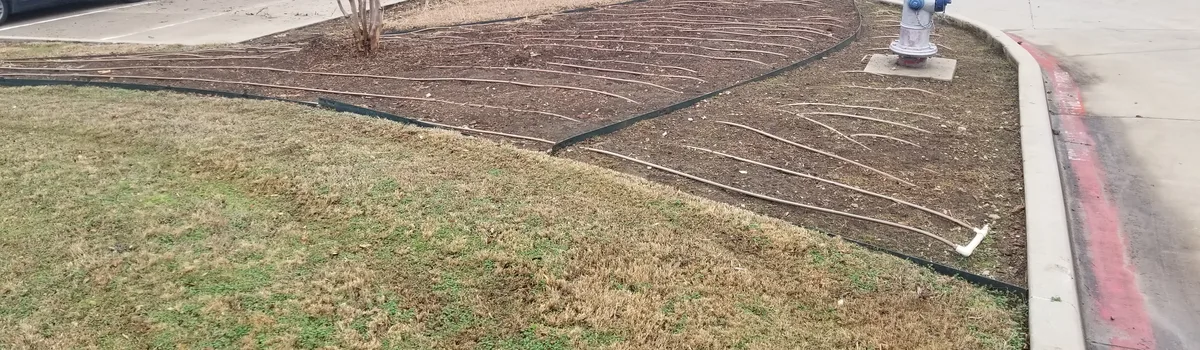
Before increasing spring watering, watch each zone when conditions and local rules permit. Look for broken or tilted heads, spray blocked by plant growth, pavement overspray and water appearing between cycles. Record zone numbers and symptoms; a dry patch can have causes beyond inadequate irrigation.
Check controller start times, active programs and seasonal settings. Repairs may be needed before a schedule adjustment can help. Pressure regulation, sensors or control upgrades should address an identified need and fit the existing equipment.
New plants and hardscapes
Consider how the yard is used. Suitable plants, new beds, natural-stone borders, flagstone routes and lighting can form a coordinated renovation. Allow mature space, access and a route for runoff after construction.
Native and adapted plants can suit a site when light, moisture and soil match. They still need establishment care. Arrange excavation and drainage work before finishing beds or sod.
Weed control and fertilizer
Pre-emergent products must be timed before target weeds germinate; post-emergent products address weeds already present. Identify both weed and turf and follow product directions rather than treating every green plant alike.
Fertilizer depends on grass, active growth and soil information. Nitrogen applied to dormant grass cannot replace warm weather. Lawn & Landcare's lawn treatment program has eight applications; appropriate add-ons are discussed separately. Eight applications does not mean eight identical fertilizer doses.
Lawn renovation and sod
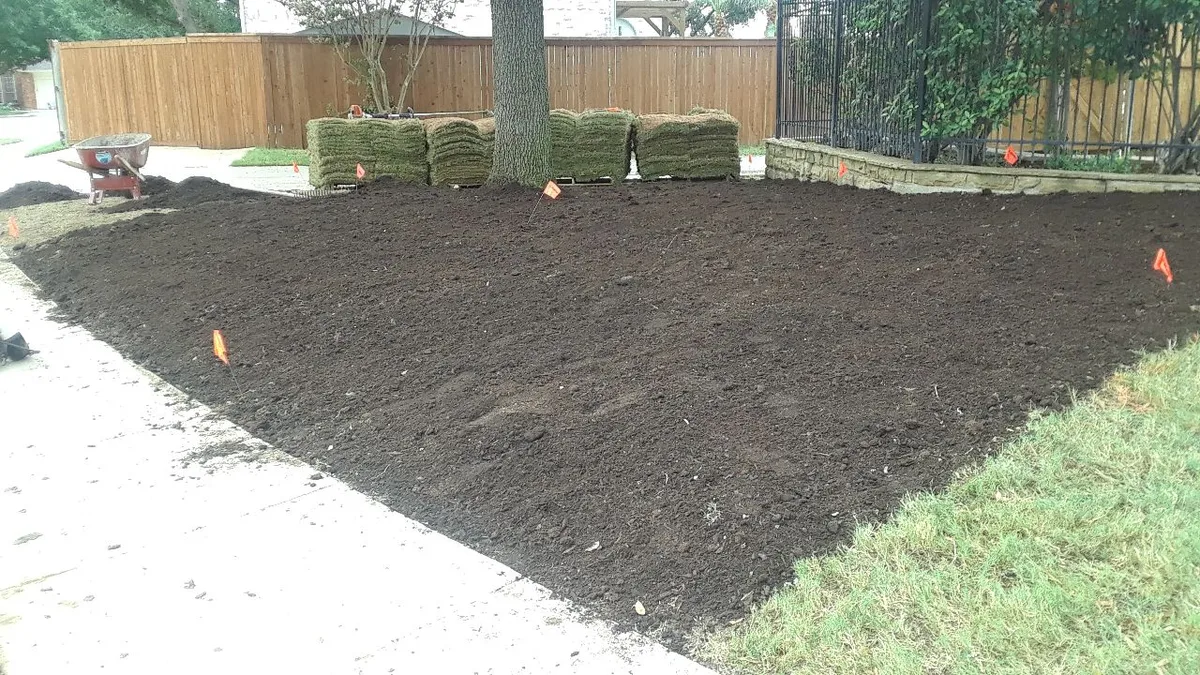
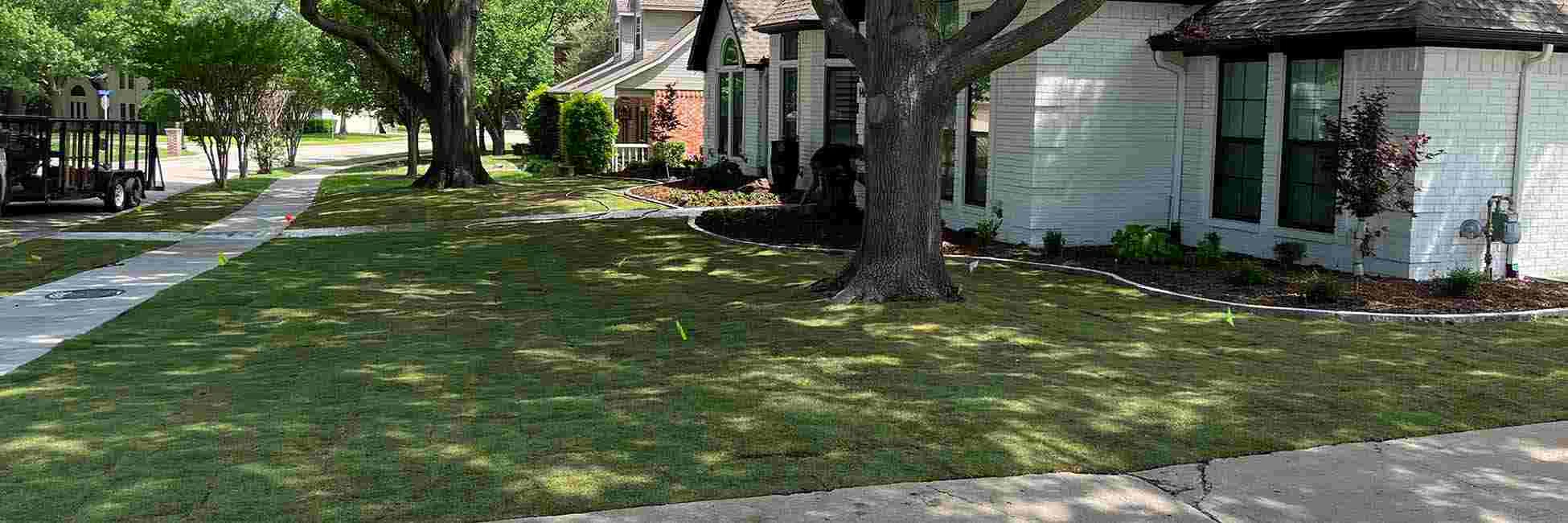
Thin turf needs a cause-first assessment. Shade, traffic, drainage, mowing, pests and disease all affect density. Correcting the cause may allow remaining grass to fill in. Widespread loss may call for sod after preparation.
Match grass to site and use. Bermuda, St. Augustine and Zoysia differ, and none is a universal answer to deep shade or standing water. Resolve weed, grade, drainage and irrigation needs before laying sod.
After installation, provide an establishment plan that changes as roots develop. Protect sod from heavy traffic and adjust watering to actual moisture and permitted conditions. Lawn & Landcare can help prioritize care, repairs and installation.