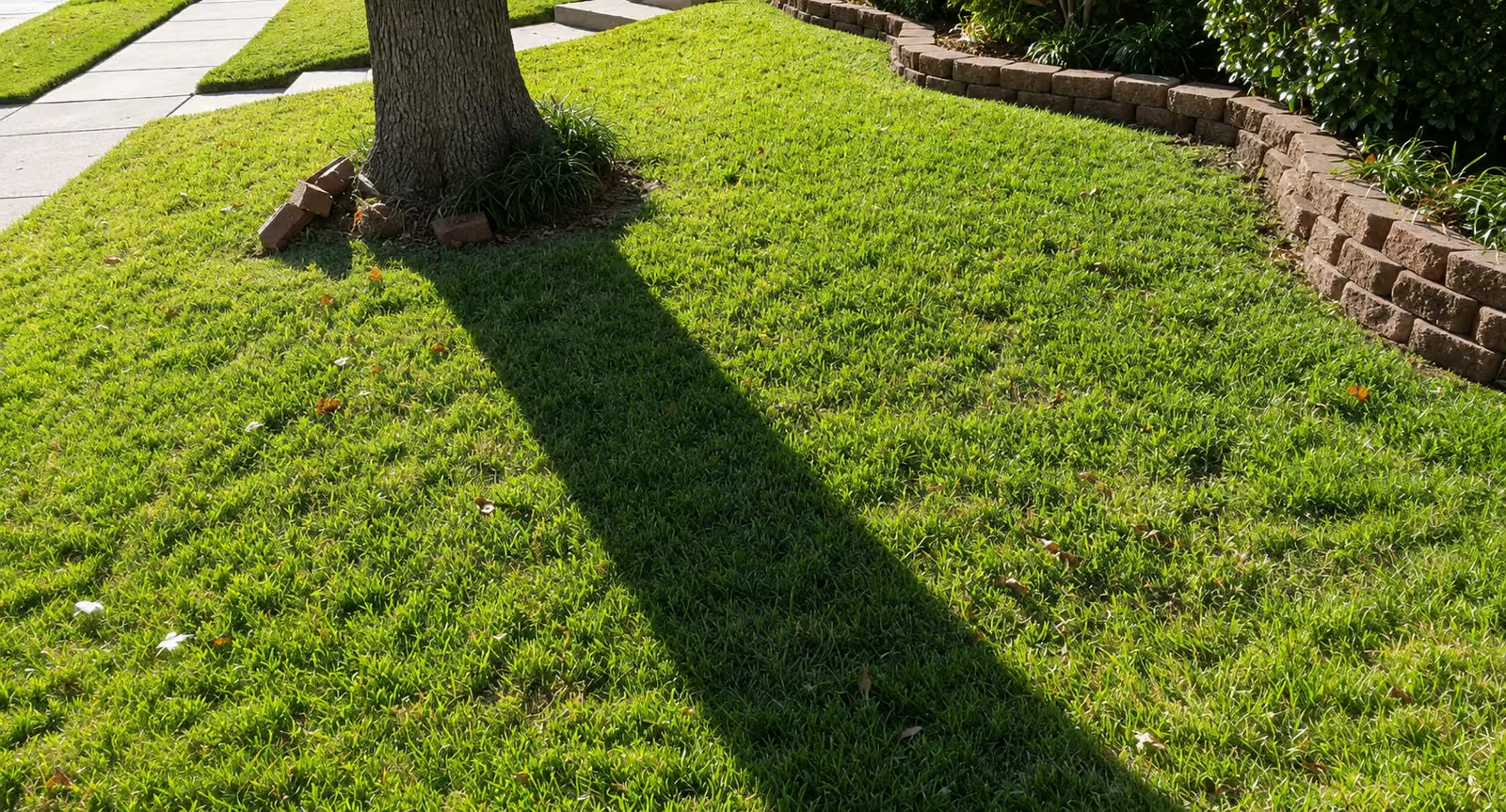
A recurring plan begins with a defined scope
A property maintenance program coordinates agreed routine landscape tasks over time. It can simplify arranging care, but full service does not mean every possible task is included. The written scope should explain what is covered, where, how frequently and how extra work is approved.
For Lawn & Landcare, maintenance can include agreed mowing, edging, string trimming, bed care and shrub trimming. The mix depends on the property. A new planting installation, major cleanup, mulch project or irrigation repair may be separately arranged rather than assumed part of routine visits.
Maintenance versus a one-time project
One-time landscaping projects typically focus on installing new features or completing a specific task. Examples include new landscape installations, large planting projects, or major seasonal renovations. Once the work is complete, ongoing maintenance is still needed to keep those improvements looking their best.
Unlike one-time landscaping projects, maintenance programs focus on preserving and improving existing outdoor spaces. Routine visits allow landscape professionals to monitor changes, address concerns early, and adjust maintenance based on seasonal conditions. This proactive approach helps reduce the likelihood of larger maintenance issues developing over time.
A new bed still needs watering and weed management after planting. A newly laid lawn needs establishment care before it follows the normal mowing schedule. Ask how responsibilities transition from installation to ongoing maintenance.
Mowing, edging and turf care
Routine lawn care forms the foundation of most maintenance programs. Consistent service encourages healthy turf growth while helping maintain an attractive appearance throughout the growing season. Proper scheduling also allows professionals to adapt lawn care practices as weather conditions change.
Identify the grass and agree on suitable cutting height and growth-based care. Weather affects mowing: saturated soil, drought and dormancy can change the work needed. A visit schedule should not imply every task is done identically in every season.
Lawn & Landcare's fertilizer and weed-control program has eight applications. Ask whether it is included in the proposed scope or arranged separately. Fire ant, fungal, turf-insect and liquid-aeration work are appropriate add-on discussions, not presumed parts of every mowing agreement.
Landscape beds and shrub care
Bed weeding, turf encroachment, shrub shaping and leaf removal keep planted areas presentable between larger projects. Specify which beds and shrubs are covered, and whether seasonal flowers or mulch replenishment are part of the agreement or separate work.
Shrub timing should respect species and flowering. A hedge along a walkway may need different attention from a flowering specimen, while a large-tree concern belongs in a separate assessment. A useful maintenance proposal names those tasks and limits clearly.
Seasonal cleanups
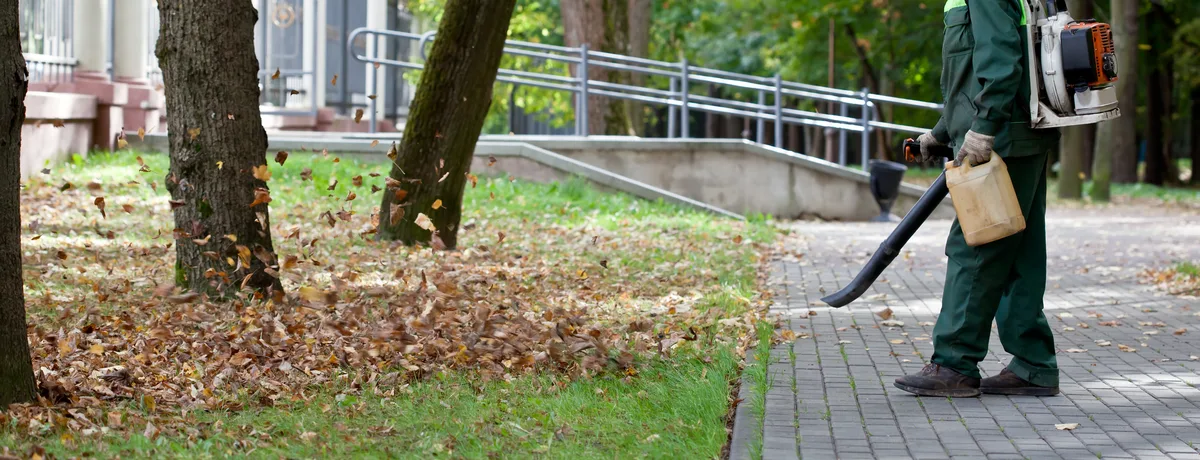
Every season presents different maintenance challenges that require timely attention. Spring often involves removing winter debris and preparing plants for new growth, while fall focuses on leaf removal and preparing landscapes for colder temperatures. Seasonal cleanups help landscapes transition smoothly throughout the year.
Leaf accumulation, storm litter and seasonal bed work can require different effort from ordinary mowing. Discuss haul-off, pruning limits and what happens if a neglected area first needs a larger cleanup. A recurring agreement should not be assumed to cover accumulated work from before it began.
Irrigation and drainage observations
Maintenance visits may reveal wet areas, overspray or declining plants, but observation is different from a complete irrigation inspection or repair. Confirm whether a system check is part of the agreed work and how a reported issue is referred for assessment.
Do not assume a maintenance plan includes unrestricted repairs or automatic replacement of parts. Drainage design, failed irrigation equipment and substantial plant loss are separate decisions requiring a defined scope.
Who may find a plan useful?
Recurring care suits homeowners who want help keeping up with mowing and planted beds, as well as commercial owners and HOA managers coordinating common areas. The value is a clear routine and a familiar point of contact when the landscape changes.
Properties with substantial planting or public use benefit from identifying priorities at the start: entrances, visibility, access, turf areas and beds. The amount of work depends on those areas and their condition, rather than the phrase full service alone.
Communication and records
Having one point of contact also improves communication. Maintenance professionals become familiar with the property’s unique characteristics, allowing them to make informed recommendations and respond more effectively to changing landscape conditions. This continuity often results in more consistent service and fewer misunderstandings.
Agree on the contact for access, questions and approval of additional work. Provide gate and pet instructions and identify areas outside the maintenance boundary. Keep scope changes in writing so a suggestion is not mistaken for an approved task.
Compare value through the actual work
Maintenance value depends on the time, condition and tasks involved. A recurring plan may simplify budgeting, but it does not assure lower overall cost or prevent every future problem. Compare service area, tasks, frequency and exclusions when evaluating proposals.
Not every maintenance program offers the same level of service, making it important to understand what is included before selecting a provider. Property owners should look for programs that can be customized to meet the specific needs of their landscape rather than offering a one-size-fits-all approach. A flexible maintenance plan can better accommodate different property sizes, plant varieties, and seasonal requirements.
Clear communication is another important consideration. Property owners benefit from maintenance schedules that are easy to understand, regular updates regarding landscape conditions, and recommendations for future improvements when needed. Consistent communication helps build confidence while ensuring expectations remain aligned throughout the maintenance relationship.
Request a property-specific quote
Request a maintenance quote from Lawn & Landcare with the address, current condition and tasks you want handled. For commercial or HOA grounds, identify the maintained boundaries, access times and approval contact. We can discuss recurring care alongside any initial cleanup, seasonal planting or future landscape improvements so you can see what is included and plan the rest.