First identify the problem
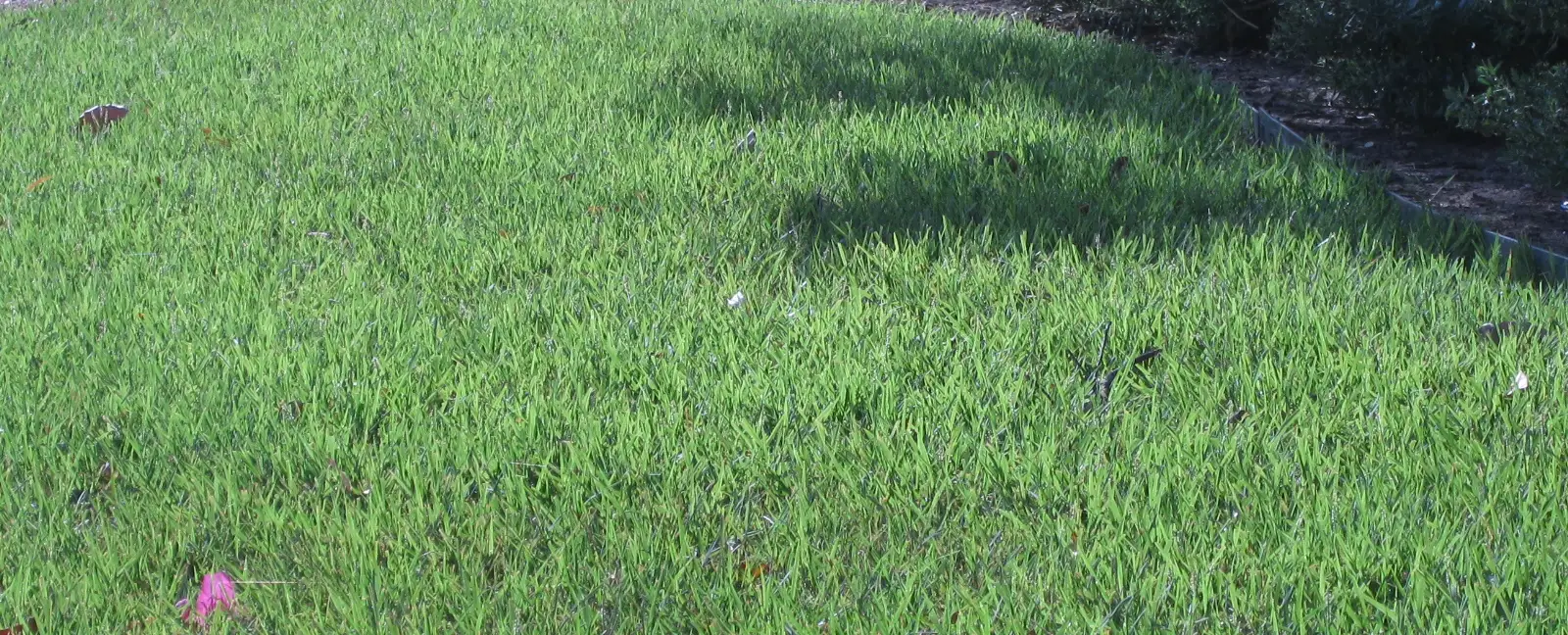
Compacted soil can limit root growth and water movement, but thin turf and puddles do not prove compaction. Shade, drainage, drought, disease and mowing can produce similar symptoms. Begin with lawn history, moisture and soil condition rather than scheduling aeration automatically.
Heavy traffic and repeated equipment use can contribute to compaction. A hard dry surface may also resist a probe without establishing the condition of the soil when moist. Compare several areas and avoid probing where utilities or irrigation components may be present.
Core and liquid aeration are different
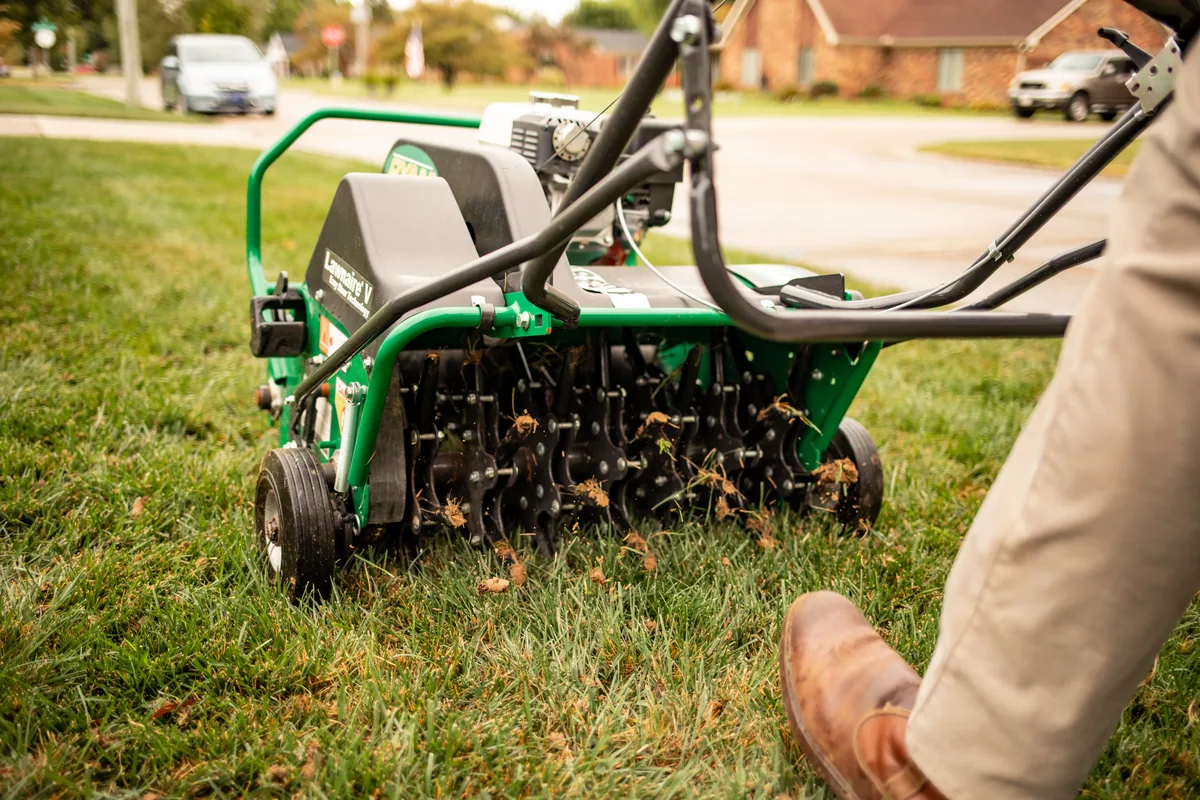
Core aeration mechanically removes soil plugs. Liquid products sold as aeration treatments are applied to the surface and vary in ingredients and intended effects. They do not physically remove soil cores and should not be presented as equivalent treatments.
University extension guidance does not support treating liquid aeration as a proven replacement for core aeration to relieve soil compaction. Do not expect a sprayed product to create permanent pore channels, remove thatch or restructure every clay soil.
Lawn & Landcare's offering
Lawn & Landcare offers liquid aeration as a lawn-care add-on; mechanical/core aeration is not offered. Before choosing it, discuss the condition you want to address and the proposed product's purpose. A liquid application should be evaluated on its own evidence and directions, not on results expected from removing soil plugs.
Timing follows grass growth
Mechanical cultivation is generally timed for active growth so warm-season turf can recover. Dormant or severely stressed grass is a poor candidate for disruptive work. That timing guidance does not automatically apply to a liquid product with a different purpose.
Liquid treatment timing depends on its actual formulation and label, soil conditions and the care plan. Do not copy a core-aeration calendar onto an unrelated liquid product. There is no universal once- or twice-yearly need for every lawn.
Thatch is not simply grass clippings
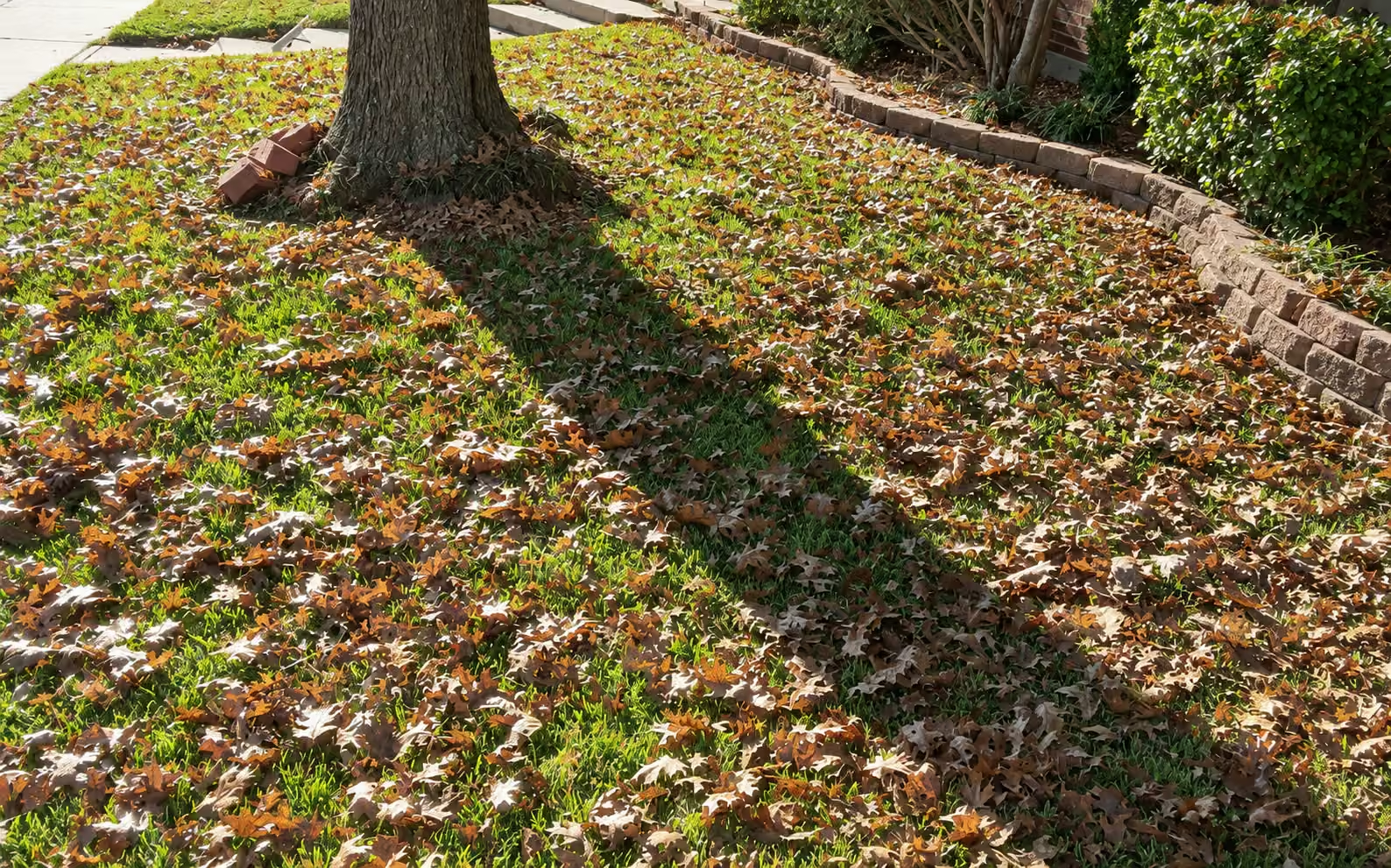
Thatch is a layer of slowly decomposing plant material between green growth and soil. Normal short clippings returned during suitable mowing do not automatically create a thatch problem. Evaluate the layer and species before selecting a response.
Proper mowing, suitable nutrition, traffic management and appropriate moisture remain useful regardless of any add-on. A drainage outlet problem needs drainage assessment; applying liquid treatment does not provide somewhere for trapped water to go.
Ask for a cause-first plan
Describe traffic, wet areas, grass type and previous care when requesting help. Lawn & Landcare can discuss the lawn program and whether a liquid add-on has an appropriate role. Severe compaction or other site limitations may need a different response rather than repeated treatment.