Choose an edge that works with the bed
Landscape edging gives a planting bed a clear outline, but the detail should suit mowing, soil level, runoff and the plants behind it. A neat edge does not eliminate weeding or prevent every grass runner from crossing. Begin by marking the bed and the route used to maintain it.
Natural stone offers variations in size, color and texture. Compare samples with the house and existing hardscape. The four ideas below describe layouts to discuss, not a universal installation method or a promise every stone suits every job.
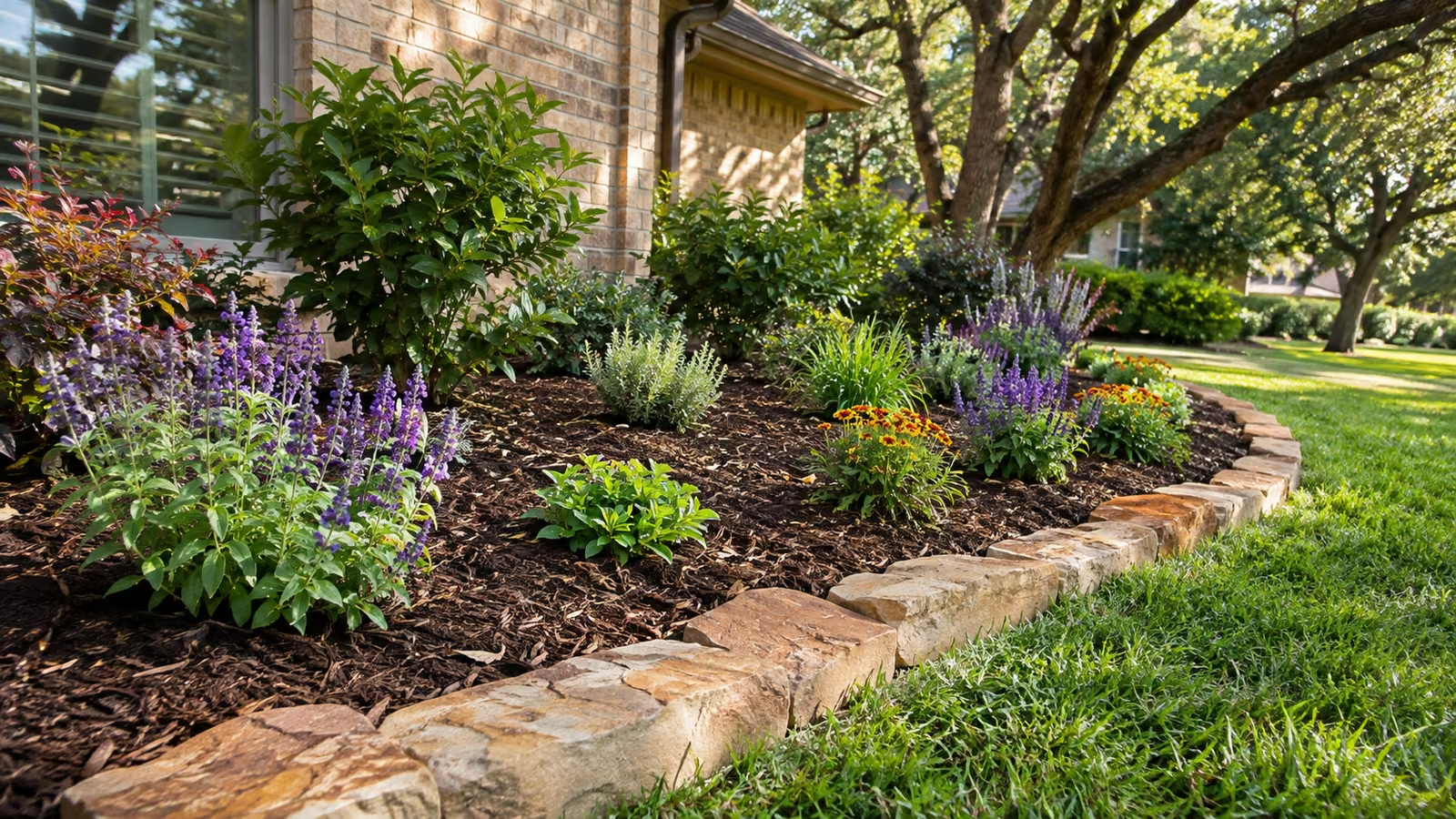
1. A low natural-stone border
A low row of stone can separate lawn from a bed without dominating the planting. It works visually when the line is clear and the stone scale fits the space. Plan the mower and trimmer approach so the border does not create an awkward strip of grass.
Consider whether the lawn and bed are at different levels and how soil and mulch will be contained. Decorative edging should not be assumed to retain a significant change in grade. Keep irrigation spray and drainage openings in mind.
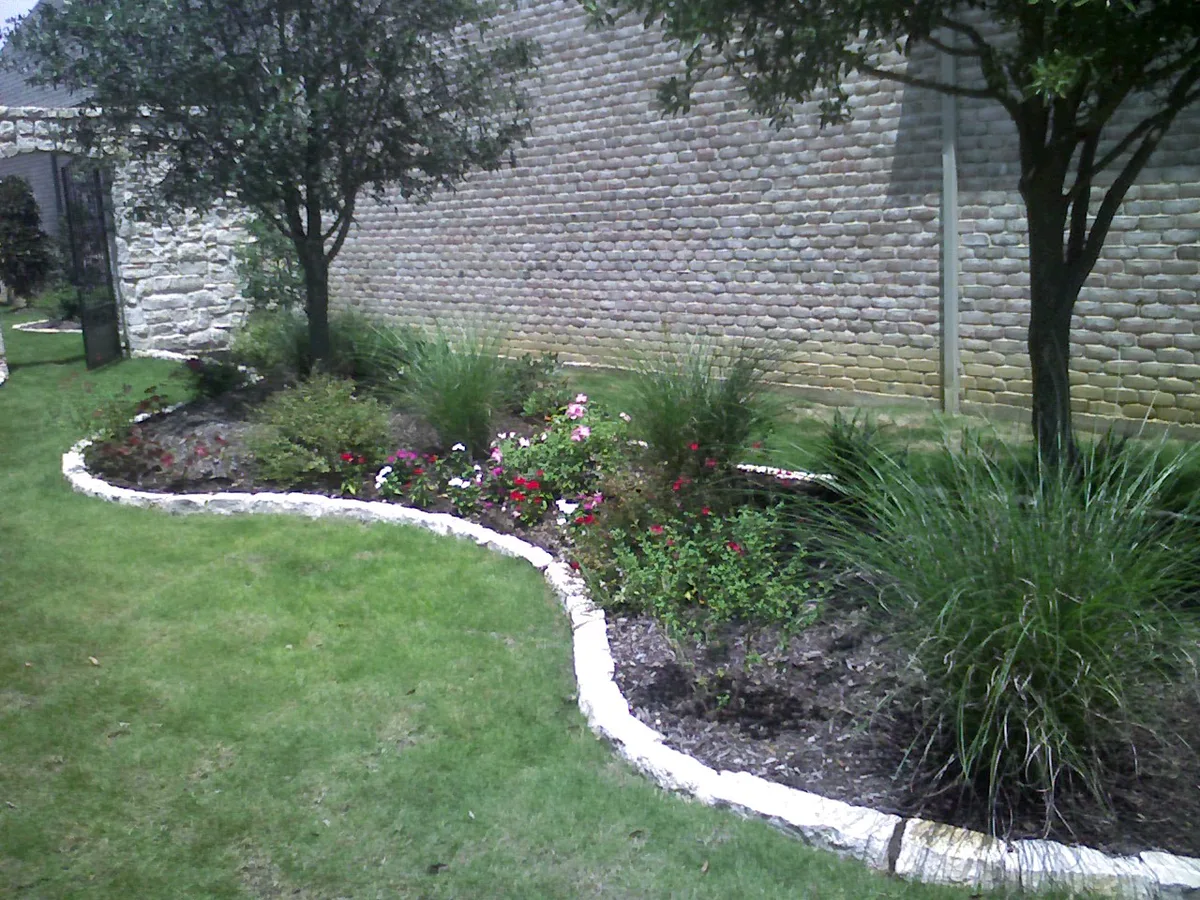
2. A curved stone outline
A gentle curve can connect a bed to an existing tree or soften a long fence line. Use broad, manageable shapes rather than tight scallops that are difficult to mow. Mark the outline on the ground and view it from the house before committing to excavation.
Allow enough bed width for mature plants. A curving border around plants installed too close together will still require frequent pruning and access work. Keep the edge reachable for weeds and turf runners.
3. A raised stone bed edge
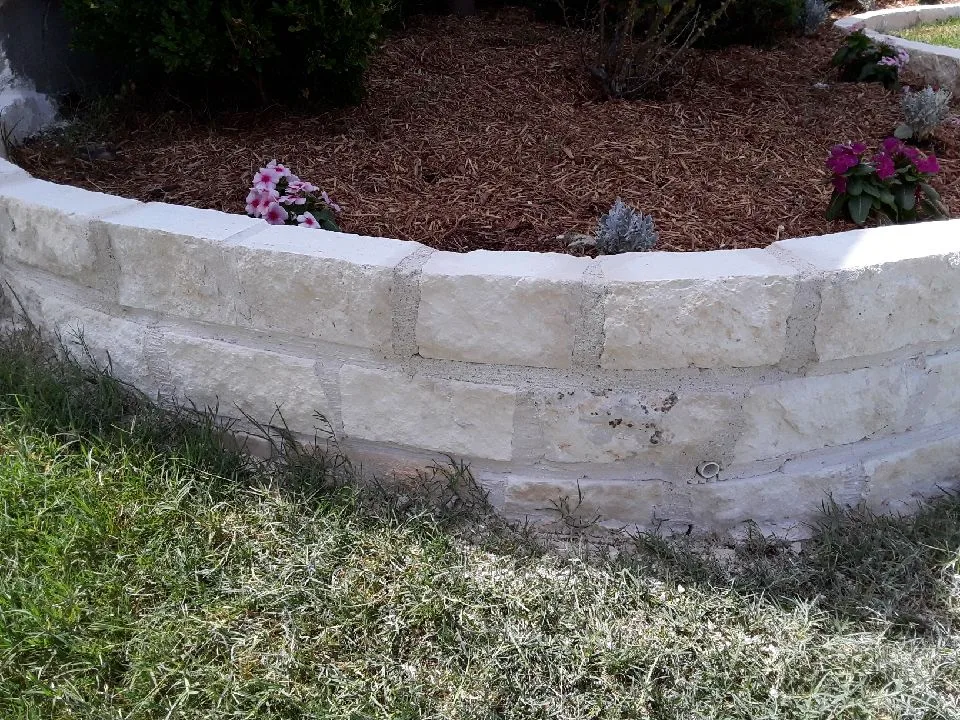
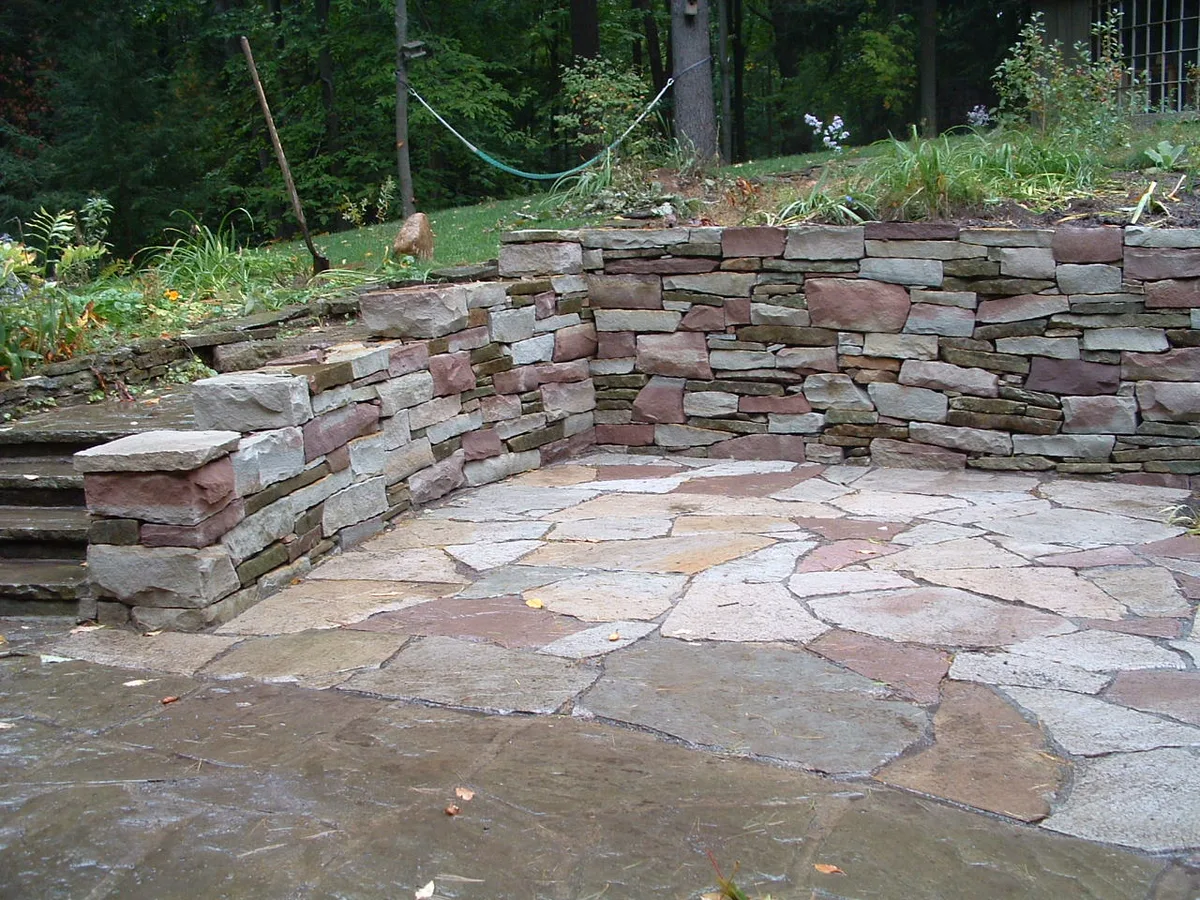
A more pronounced edge can create a defined planting area where the site supports it. Height affects construction needs, appearance and maintenance. If the feature retains soil, its design must address the load and water behind it rather than merely stacking attractive stones.
Do not raise soil against a building, tree trunk or plant crown. Changes in level can obstruct existing drainage or affect roots. Confirm whether a wall design, drainage detail or approval is required for the actual project.
4. A coordinated flagstone-and-bed transition
A flagstone route with a compatible stone border can make a planting area feel connected to the rest of the yard. Plan walking width, joints and level changes for the route's users. Keep loose mulch or rock from spilling onto the surface.
A decorative stepping route and an important entrance may require different details. Agree on how the edge meets existing pavement and how water passes through or around the installation.
Compare maintenance before choosing
Ask how the bed will be weeded, how turf encroachment will be managed and whether irrigation access remains clear. Stone can shift or collect litter and still needs inspection. Keep spare material or a record of the selection where practical for later repair.
Lawn & Landcare can discuss natural-stone borders and flagstone within an agreed hardscape project. Bring bed dimensions, photographs and the problems you want the edge to solve.