Decide what the border should accomplish
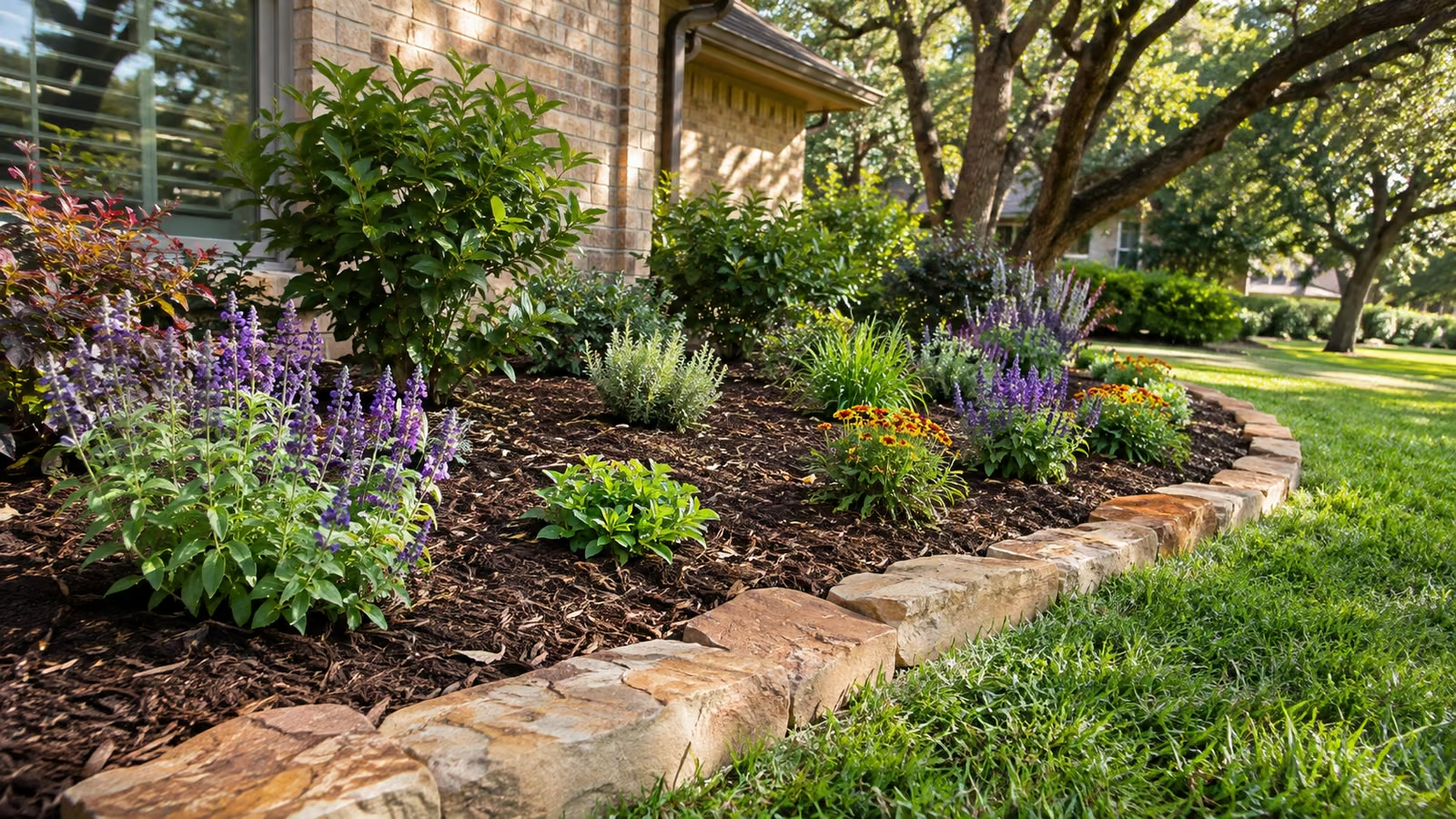
A natural-stone border can give a bed a clear outline and connect it visually to paths or other stonework. Before selecting the stone, decide whether the purpose is to define a planting area, contain surface material or address a difference in levels.
Those purposes lead to different details. A decorative edge and a structure holding back soil are not interchangeable. Tell the installer what happens on each side of the proposed border, including mowing, irrigation and water movement, so the estimate describes a working landscape feature.
How can we help with your property?
Share the work you have in mind. Our office follows up within one business day.
Request an estimate (214) 293-3793Mark the shape at full size
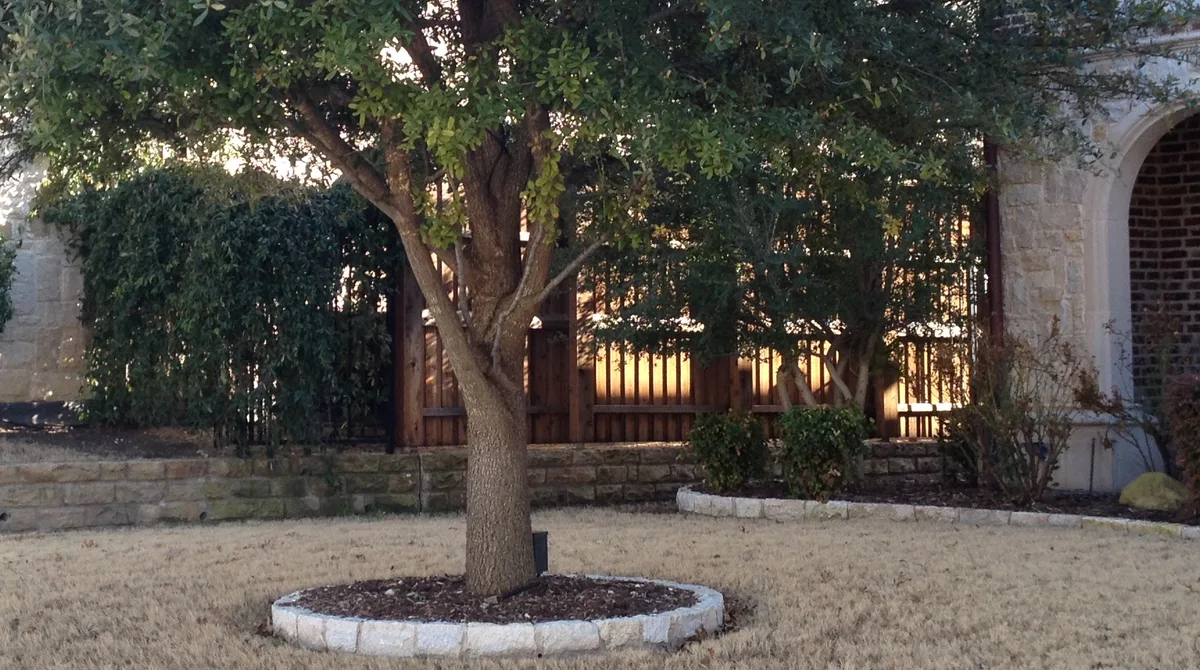
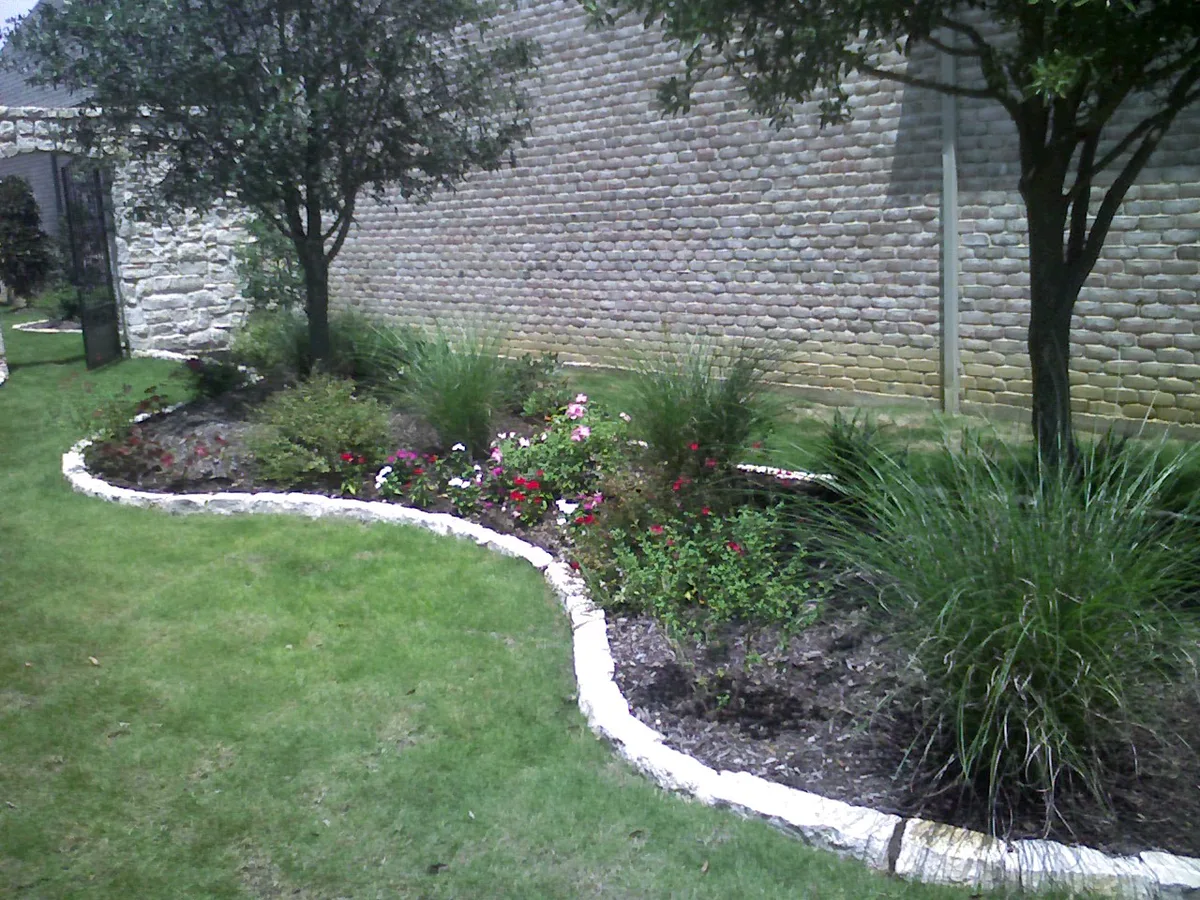
Lay out the proposed bed line on the ground and view it from the street, front door and nearby windows. A curve that looks appealing in a small sketch can create a narrow mowing pocket or leave too little space for plants. Adjust the outline before it becomes a construction decision.
Allow for the mature width of the planting and access to weed or prune behind the edge. If existing shrubs already crowd the lawn, copying the old border line may preserve the problem. Ask whether widening or simplifying the bed would make the overall renovation more useful.
Choose stone scale, color and the finished top
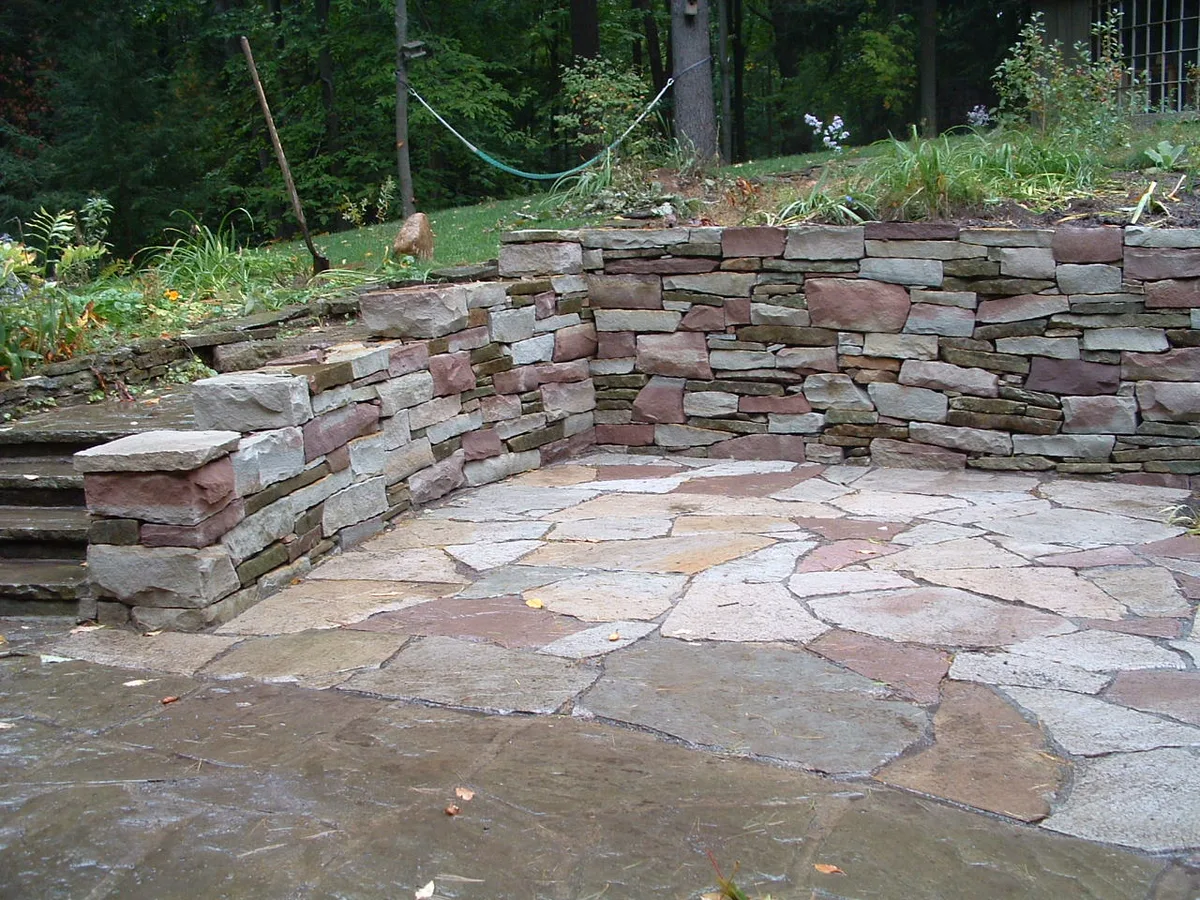
Compare a representative range of stone beside the house and existing hardscape. Natural variation is part of the material, so one sample should not be treated as a promise that every piece will match. Discuss the size and profile of the stones along with their color.
A substantial border may suit a broad frontage but dominate a small flower bed. Consider how much stone will be visible after soil and mulch are finished. Ask how corners, curves, ends and transitions will be handled, since those details often determine whether the border looks deliberate.
Resolve height and drainage together
Decide on the finished level of the bed, the lawn and the border before adding material. A raised edge can change where water travels. Discuss runoff entering from the yard or downspouts, and make clear how water can pass through or around the installation where needed.
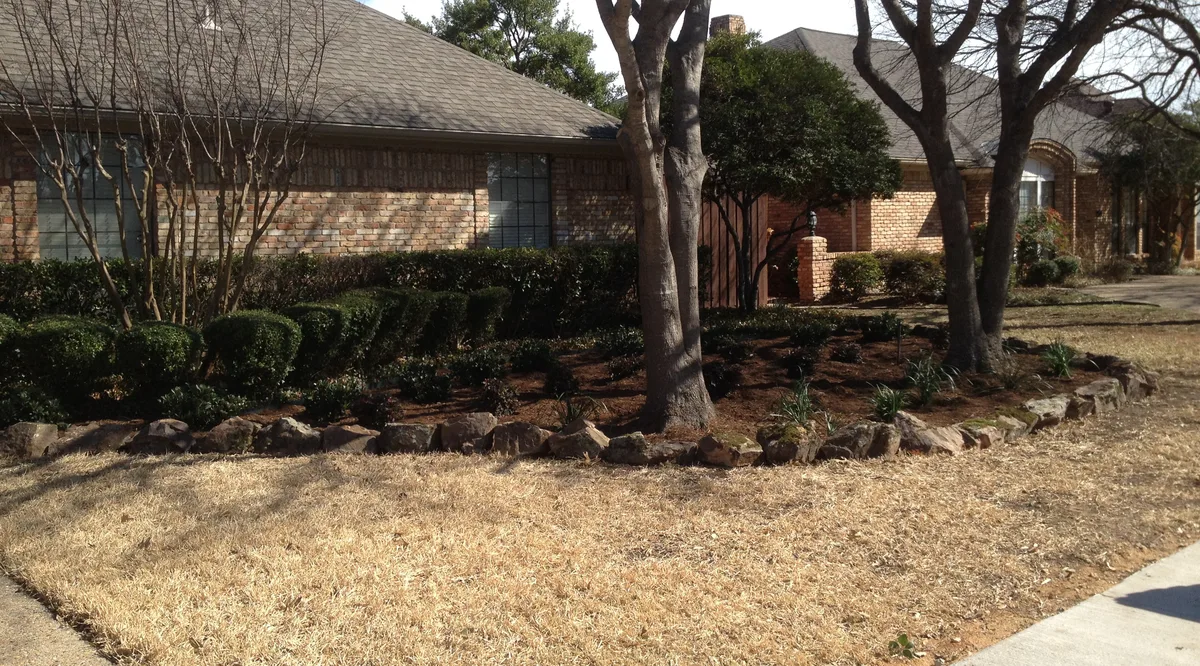
Do not build up soil around a retained tree simply to fill a new stone outline. Changes in grade can affect roots, and the design needs to account for that tree before excavation or filling. Similarly, assess clearances near the building rather than using added soil to create a preferred border height.
If the feature will retain soil, ask whether a wall-specific design or other project review is needed. The visible stone style alone does not establish the construction required for the load and site.
Plan the maintenance on both sides
Walk the outside edge and consider how a mower and trimmer will reach the grass. Tight curves, narrow strips and protruding pieces can make routine care awkward. Inside the bed, leave workable access for plant care and removal of weeds or accumulated leaves.
Check irrigation heads, valves and lines before the border location is fixed. A new edge should not leave equipment buried or inaccessible. Stone also does not eliminate turf runners or future weeding, so ask how the edge will be maintained after installation.
Ask for the complete border scope
A comparable estimate identifies the route and extent of the border, selected stone, intended height, preparation and construction approach. It should also address removal of any old edge, disposal, treatment of disturbed areas and the amount of mulch or soil included.
Send Lawn & Landcare photos of the bed from both close and distant viewpoints. Explain what you want the border to solve and whether planting, mulch or adjacent flagstone are changing too. We can discuss natural-stone borders as a focused project or coordinate them with a larger landscape renovation.
For a broad comparison of edging styles, use the existing edging guide first. Once natural stone is your preference, these installation decisions help turn that preference into a clear proposal.
Common questions
Will a stone border stop grass from growing into the bed?
It creates a defined edge, but it does not eliminate all runners or weeds. Ask how the border will be maintained and how lawn care can reach the outside edge.
Can I raise the bed by stacking the border higher?
Do not assume a decorative border can safely retain added soil. Height, retained material, nearby trees, drainage and the site affect the necessary construction. Review the proposed level change before choosing the stone detail.
Should the border match an existing flagstone path exactly?
It can coordinate without being identical. Compare color range, scale and texture in the actual setting. Discuss where the two materials meet and how the transition handles walking, maintenance and water movement.