Compare complete routes, not just feet of pipe
Two yard drainage estimates may list similar pipe lengths while proposing different solutions. One may connect a downspout; another may collect surface water from a low lawn. Before comparing the price, ask each estimate to explain where the water starts, how it enters the system and where it leaves the property or disperses appropriately on site.
The estimate should also identify what remains to be assessed. A route based on unverified elevations or an unresolved outlet is different from a defined installation scope. Make those assumptions visible before choosing the work.
Identify the water source and collection points
Give the estimator photographs during and after rain, taken safely, and describe how long water remains. Note downspouts, runoff crossing the yard and wet areas that appear when irrigation runs. The location of standing water alone does not establish which collection method will address it.
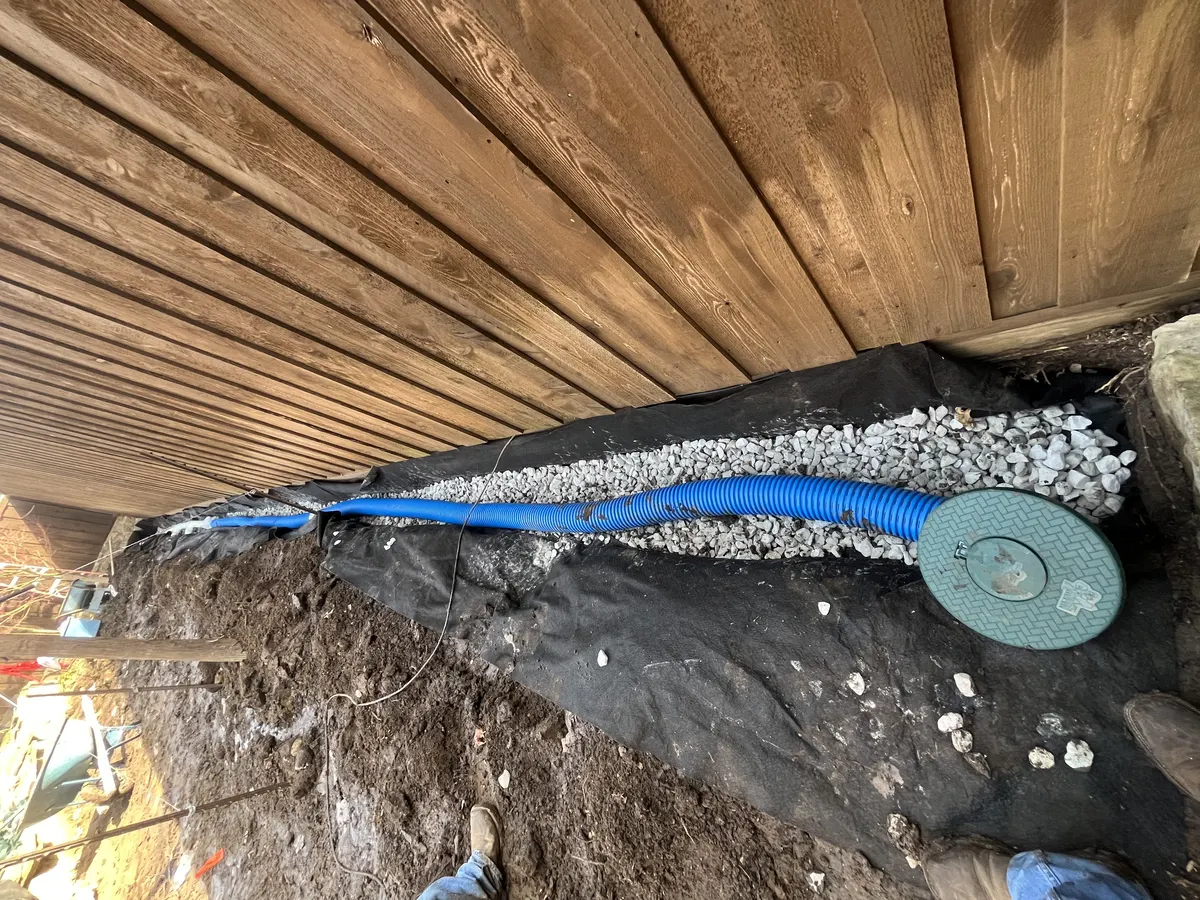
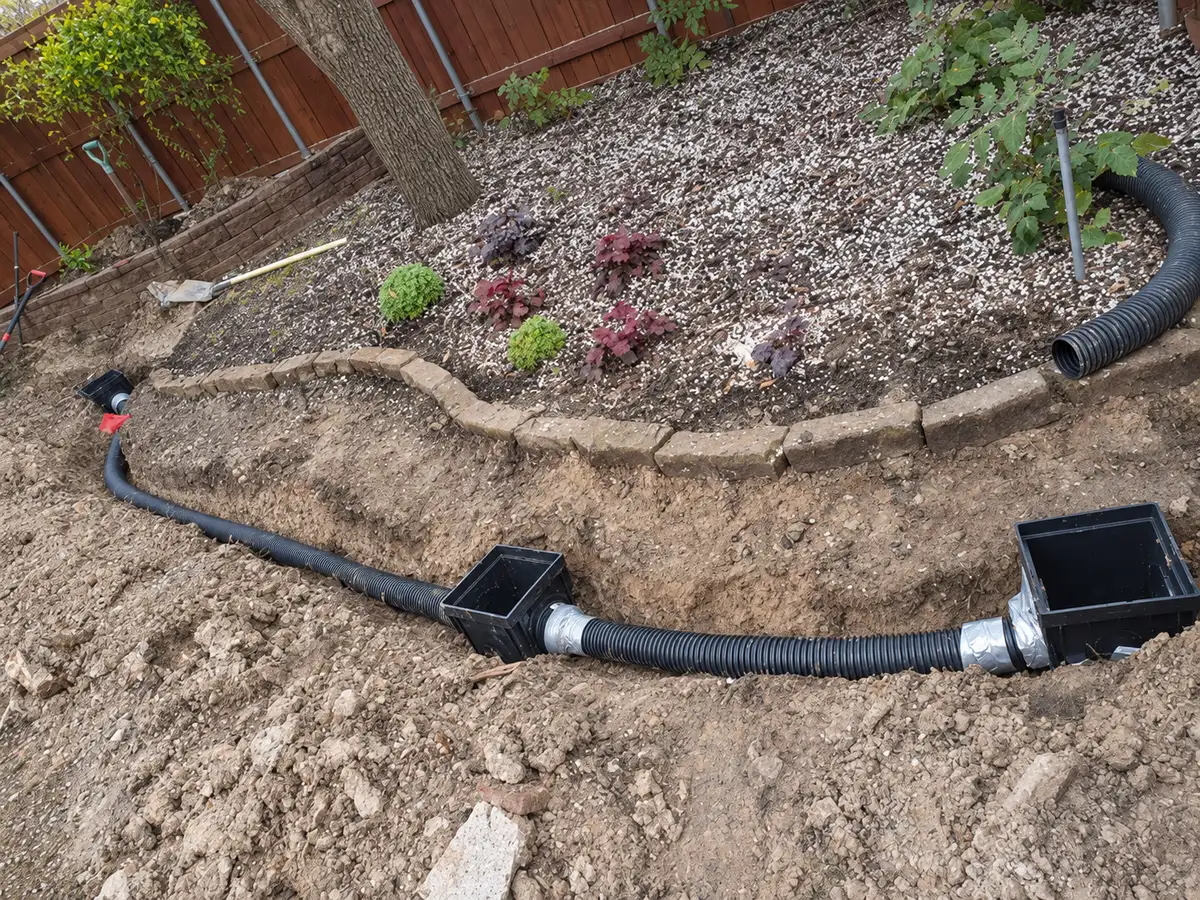
A catch basin receives surface water through an inlet. A downspout connection collects roof runoff at a defined point. A French-drain arrangement collects water through a permeable trench, commonly using gravel and perforated pipe. These are different functions even when several are combined in one project.
Ask the proposal to mark each collection point and explain why it is there. A basin located where it is convenient to dig may not intercept the water you actually need to manage.
Understand the route and pipe specification
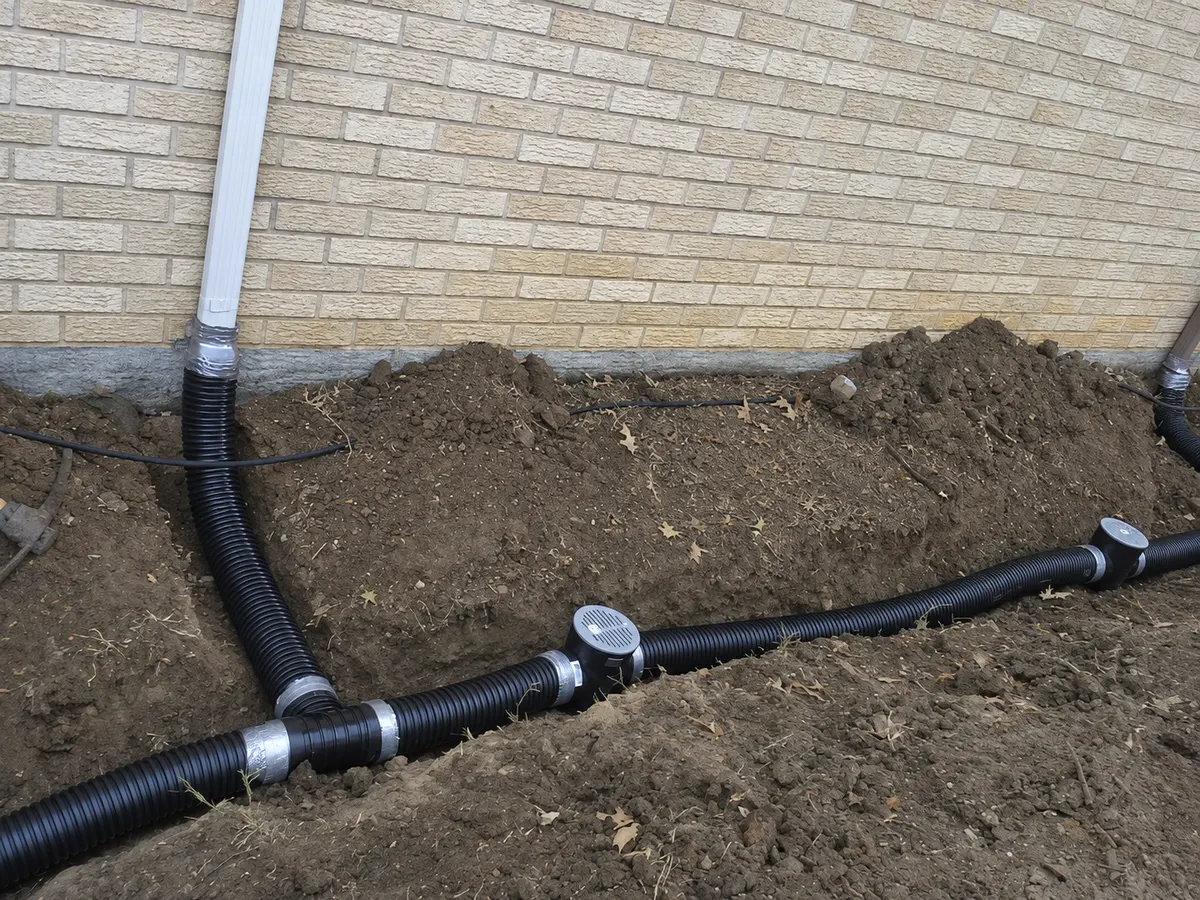
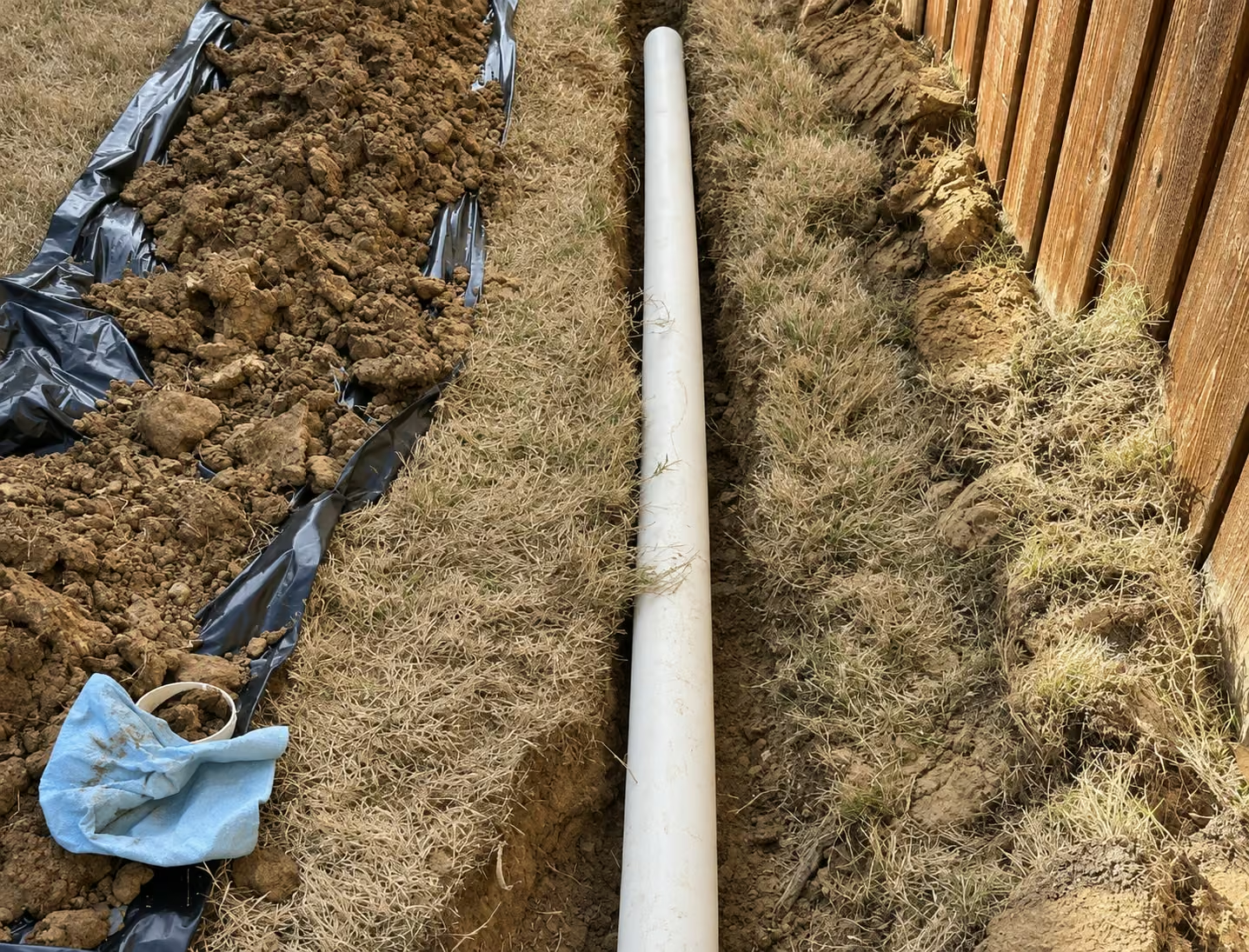
Solid, nonperforated pipe carries collected water along a route. Perforated pipe can collect water along its length when the design calls for it. Ask which sections are proposed and how the pipe, connections and surrounding materials suit that purpose. Gravel is part of a conventional French drain, but not automatically required along every solid conveyance run.
Pipe size, available slope and the amount of contributing runoff work together. More inlets do not by themselves establish adequate capacity. Request an explanation of the proposed sizing and route rather than comparing pipe length as though all runs perform the same job.
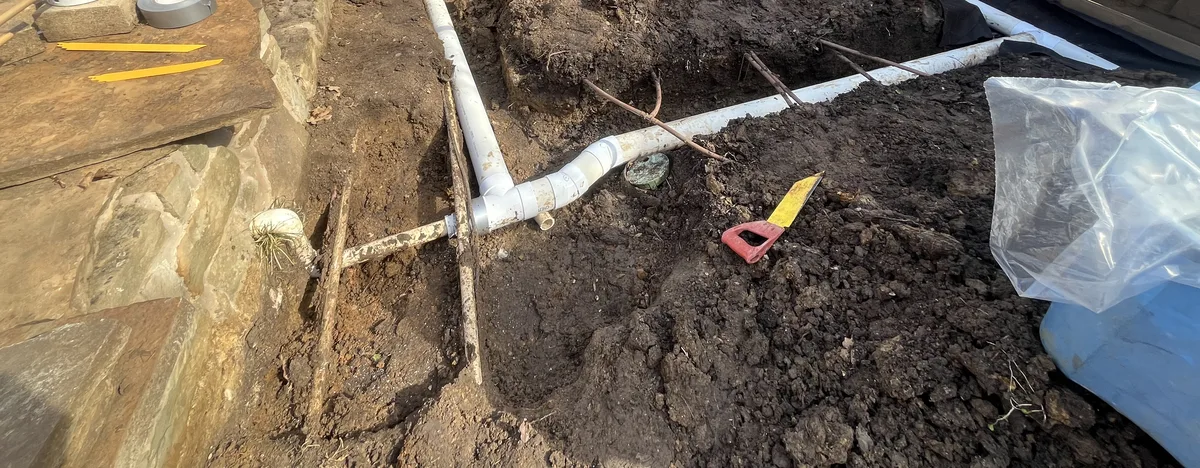
Identify crossings near walks, patios, established trees and irrigation. Access limits, utilities and roots can affect excavation and restoration. The proposal should say which known obstacles are included and how unforeseen conditions will be discussed before additional work proceeds.
Confirm where discharge goes
A drainage system needs a workable destination. Ask where the outlet sits, how the available elevations allow water to reach it and what happens after water leaves it. A pop-up emitter is one possible outlet; its location and elevation must suit the system, and the discharged water still needs somewhere appropriate to go.
A curb exit may be considered where suitable and permitted. It is not an automatic entitlement or a solution available at every address. Confirm relevant requirements for the specific route before including street or curb work as an assumed part of the installation.
Look beyond the end of the pipe. Discharge should not simply create a new wet area against a structure, obstruct a route or transfer the problem to neighboring property. Heavy rain and downstream conditions also affect performance, so ask about the intended limits of the design.
Compare restoration and maintenance access
Ask what happens to excavated soil and what finish is included over the trench. Sod, bed restoration, mulch and replacement planting should be named if they are part of the work. An estimate that leaves a rough trench line is not equivalent to one that includes agreed landscape restoration.
Locate accessible inlets, cleanouts where specified and the outlet on the plan. Ask how leaves and sediment will be removed and which inspection or cleaning tasks will remain yours. Covering a collection point with plants or mulch after installation can undermine its purpose.
Confirm how flow will be checked after installation and how the completed route will be explained at handoff. A flow check is useful evidence of operation under that check's conditions, not proof that every possible storm will be handled.
Request a scope tied to your yard
Lawn & Landcare installs yard drainage using collection points, downspout connections, solid or perforated pipe and appropriate outlets. Send the property address, problem-area photographs and observations about rainfall or irrigation. We can discuss the complete route and the restoration needed around it, so your estimate addresses more than the visible puddle.
Common questions
Why might two contractors recommend different collection methods?
They may be addressing different water sources or making different assumptions. Ask each to explain whether it is collecting roof runoff, surface flow or water within the soil, then compare that explanation with the observed problem.
Can I compare drainage estimates using the number of catch basins?
Only as one part of the scope. Inlet placement, runoff volume, pipe capacity, slope and discharge conditions determine how the components work together. More basins are not automatically a better design.
Should sod replacement be included in a drainage estimate?
It should be stated either way. Identify the disturbed area, the proposed finish and any separate sod or bed-restoration work so you understand the property's condition when the quoted drainage work ends.