Start with water going to the wrong place
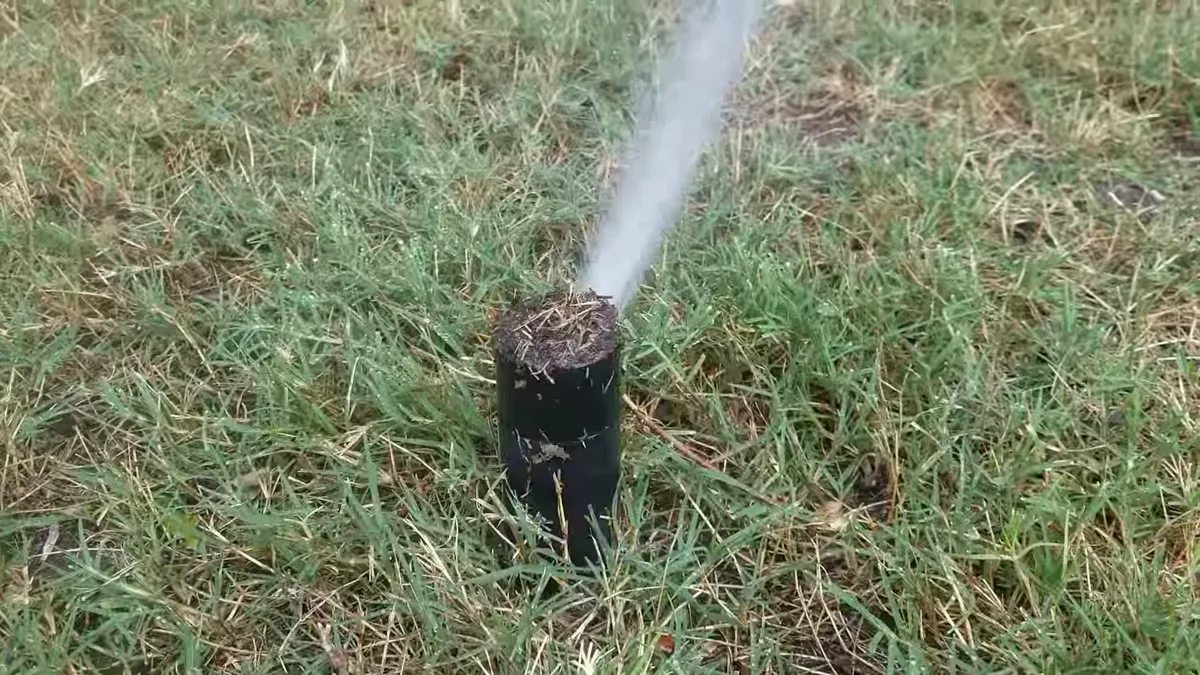
A leaking pipe, damaged head or poorly aimed nozzle sends water away from plants it should serve. Repairing a documented fault can reduce waste, but a bill change depends on fault, schedule, weather and rates. There is no single savings figure for every Texas property.
Do not respond to a dry patch simply by extending run time for the whole yard. A coverage problem may leave one area dry while another receives enough water. First consider delivery, scheduling, moisture and turf condition.
Inspect one zone at a time
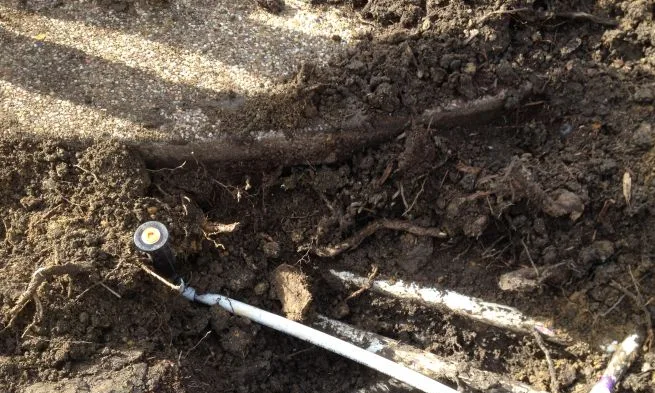
When conditions and local rules permit a brief inspection, watch each zone safely. Note broken or tilted heads, pavement spray, misting, bubbling and wet areas between cycles. A photograph and zone number can explain a symptom no longer visible when the system is off.
Compare the beginning and end of a run. One slow head and an entire weak zone need different checks. Do not open pressurized components or expose wiring to investigate.
Correct coverage and pressure problems
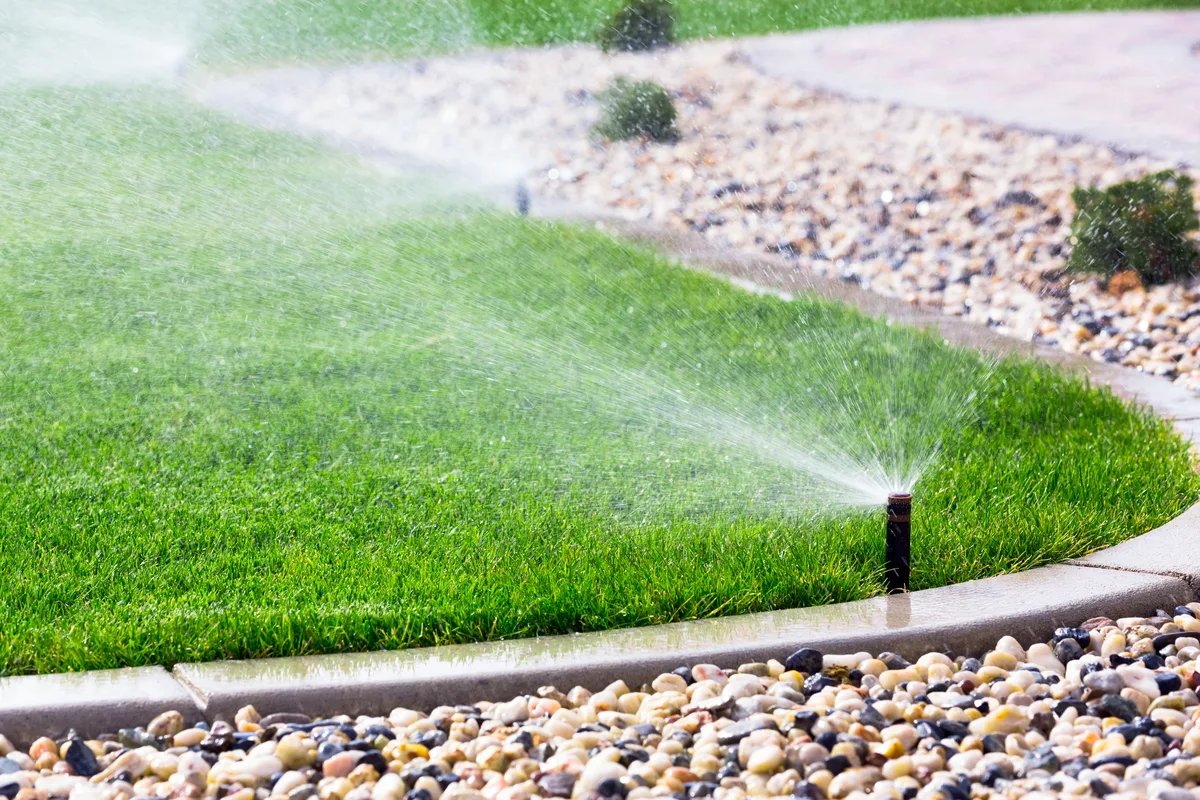
Heads need appropriate height, orientation and compatible patterns. Plants grown around nozzles can block coverage even when equipment works. Account for these changes instead of treating every dry spot as a reason to add time.
Misting can suggest excessive pressure; short spray distance can suggest insufficient pressure, restriction or a leak. Measure pressure before selecting parts. Replacing a nozzle without understanding the zone may leave the original fault unresolved.
Review the controller
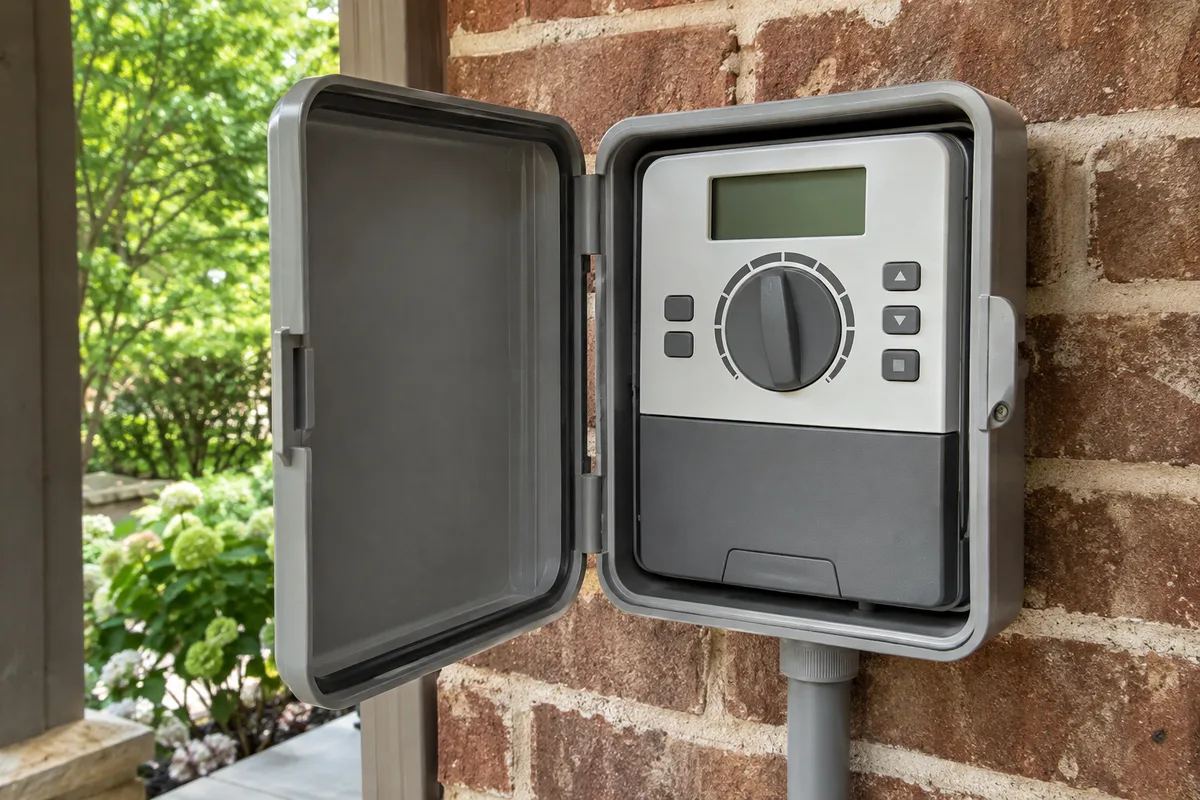
Look for extra start times, old seasonal settings and watering after rain. Correct equipment does not make an excessive schedule efficient. Rain or moisture controls need compatible equipment and settings; current local rules still apply.
If water begins running off before the root area is adequately watered, ask whether shorter cycles with soak time between them suit the zone. That adjustment can address an application-rate problem; it does not repair a leak or compensate for a missing drainage outlet.
Repair, then observe again
After agreed repair, check the affected zone for the original symptom and changes elsewhere. Some leaks are hidden; a visible repair is not proof all water loss has stopped. Keep a record to inform later adjustments.
Lawn & Landcare repairs and tunes up sprinkler systems. If you are seeing overspray, weak zones or a bill change accompanied by unexplained wet areas, send the zone numbers and photos. We can investigate the delivery problem and discuss the repairs or adjustments the system needs.