Plan before planting day
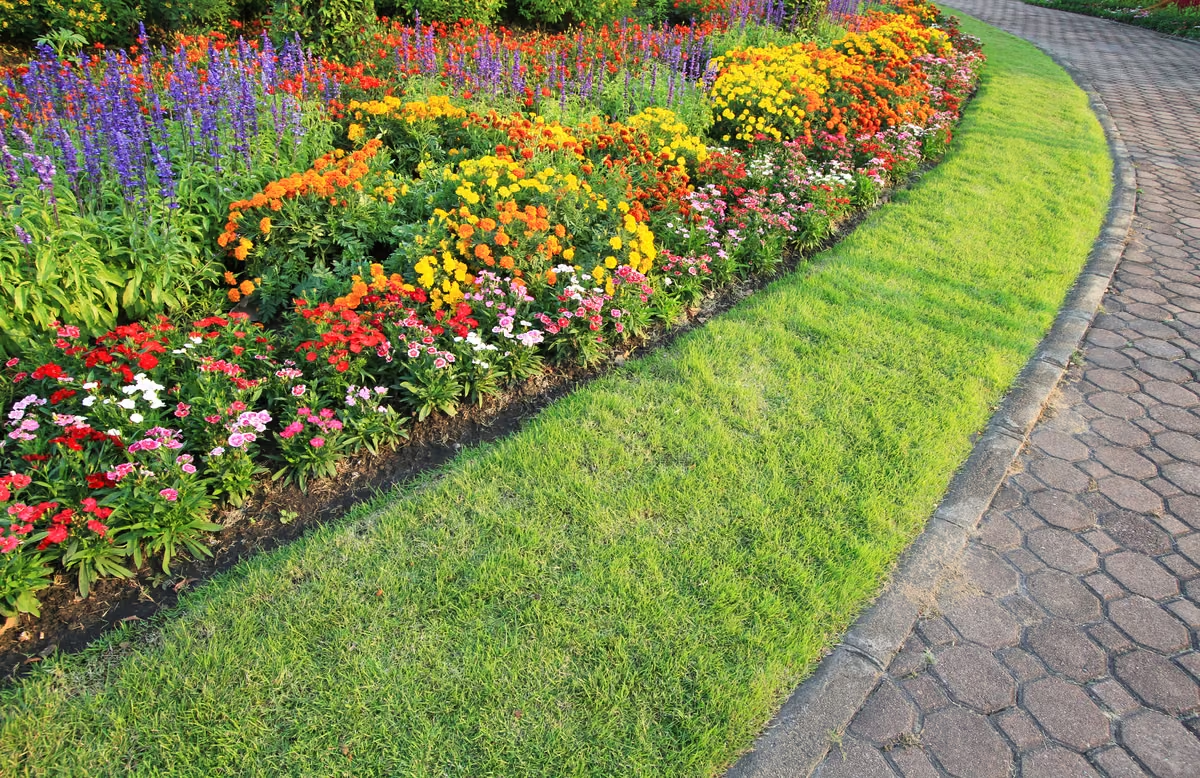
A spring flower display works best when it is planned for a particular view: the front entrance, a courtyard, a sign bed or a patio. Decide where color will make the most difference and how the bed will be watered and maintained after planting.
North Texas spring weather changes quickly, so choose plants and installation timing together.
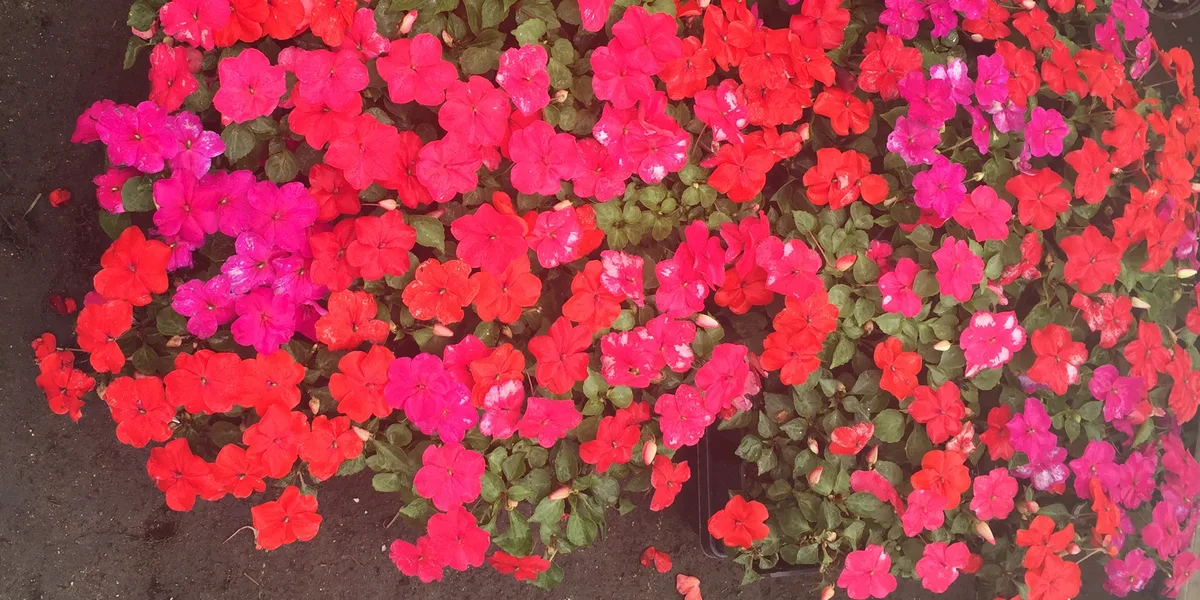
Choosing the right flowers
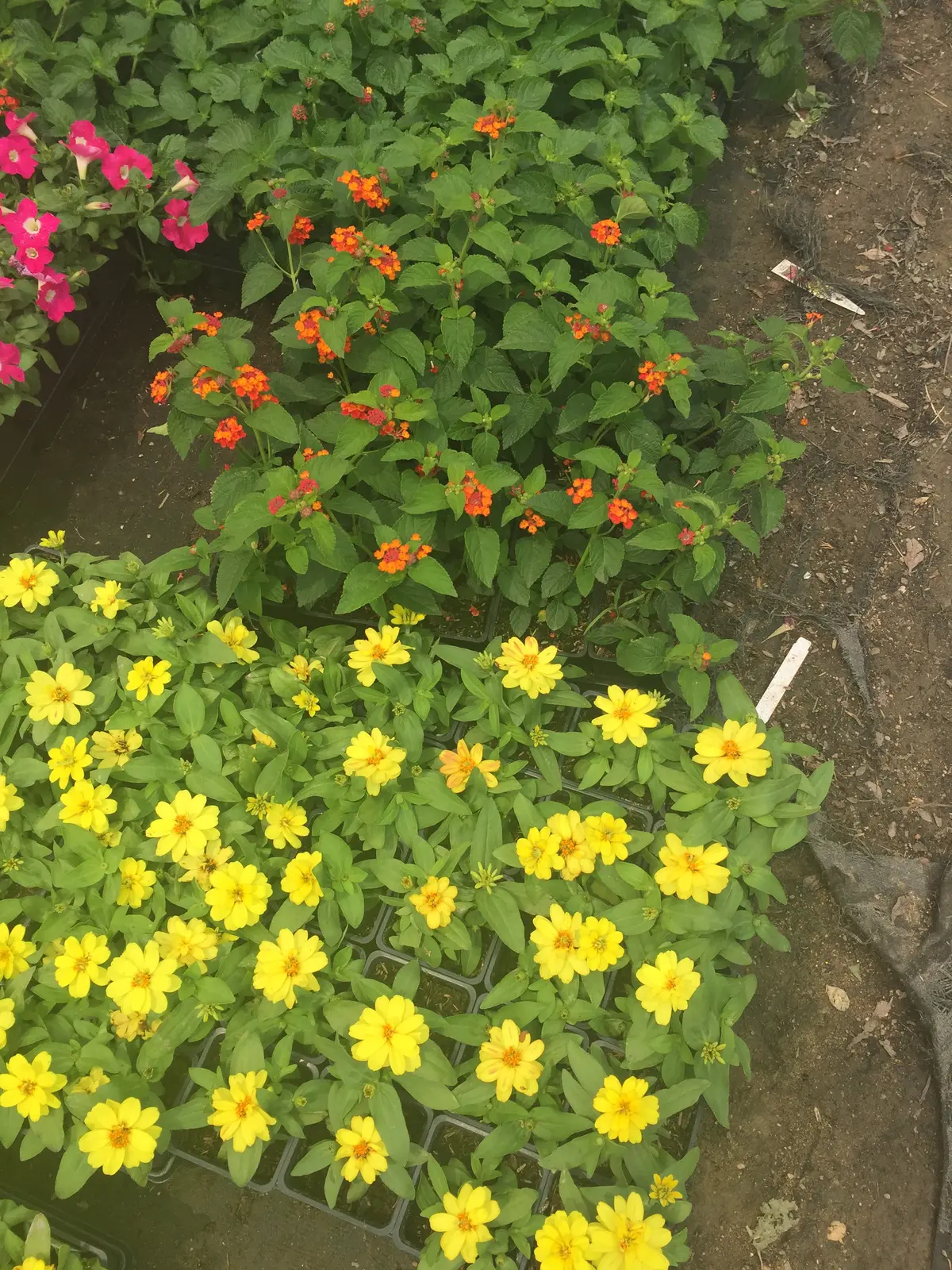
You do not need an encyclopedic knowledge of flowers to begin. Bring photographs, sunlight observations and a desired palette to the discussion. Match selections to the actual site and maintenance budget.
Distinguish cool-season flowers from tender warm-season annuals. Store availability does not prove an unprotected North Texas bed is ready. Bulbs differ in chilling needs, planting time and ability to return; tulips, crocus and hyacinths are not interchangeable local spring choices.
Assessing winter damage
Not all winters are the same, with some delivering inclement weather that can directly affect the look of a property or cause damage to connected elements. Gauging whether or not your dormant flower beds or the overall landscape have been directly affected by the winter climate should be done as early as possible.
Record which plants failed and whether the bed stayed wet, received reflected heat or had irrigation trouble. After freeze injury, allow time to distinguish dead tissue from slow recovery. Replacing plants without understanding the cause can repeat the problem.
Dealing with weeds
Remove existing weeds and encroaching turf before planting. A defined edge can make future care easier, but edging alone is not a complete weed treatment. Mulch appropriately and inspect the bed regularly.
If herbicides are considered, they must suit the plants and use. A lawn weed product should not be assumed safe in a flower bed. Avoid disturbing roots while removing established weeds.
Preparing the bed and surrounding lawn
Check drainage and planting depth before adding material. Do not raise soil against trunks, crowns or the building. A soil test may help investigate nutrient problems; fertilizer should meet actual needs rather than be applied simply because spring arrived.
Thin adjacent lawn needs a grass, light and moisture assessment before treatment or sod is selected. Lawn renovation is separate from flower-bed preparation. There is no reason to prescribe aeration for every flower installation.
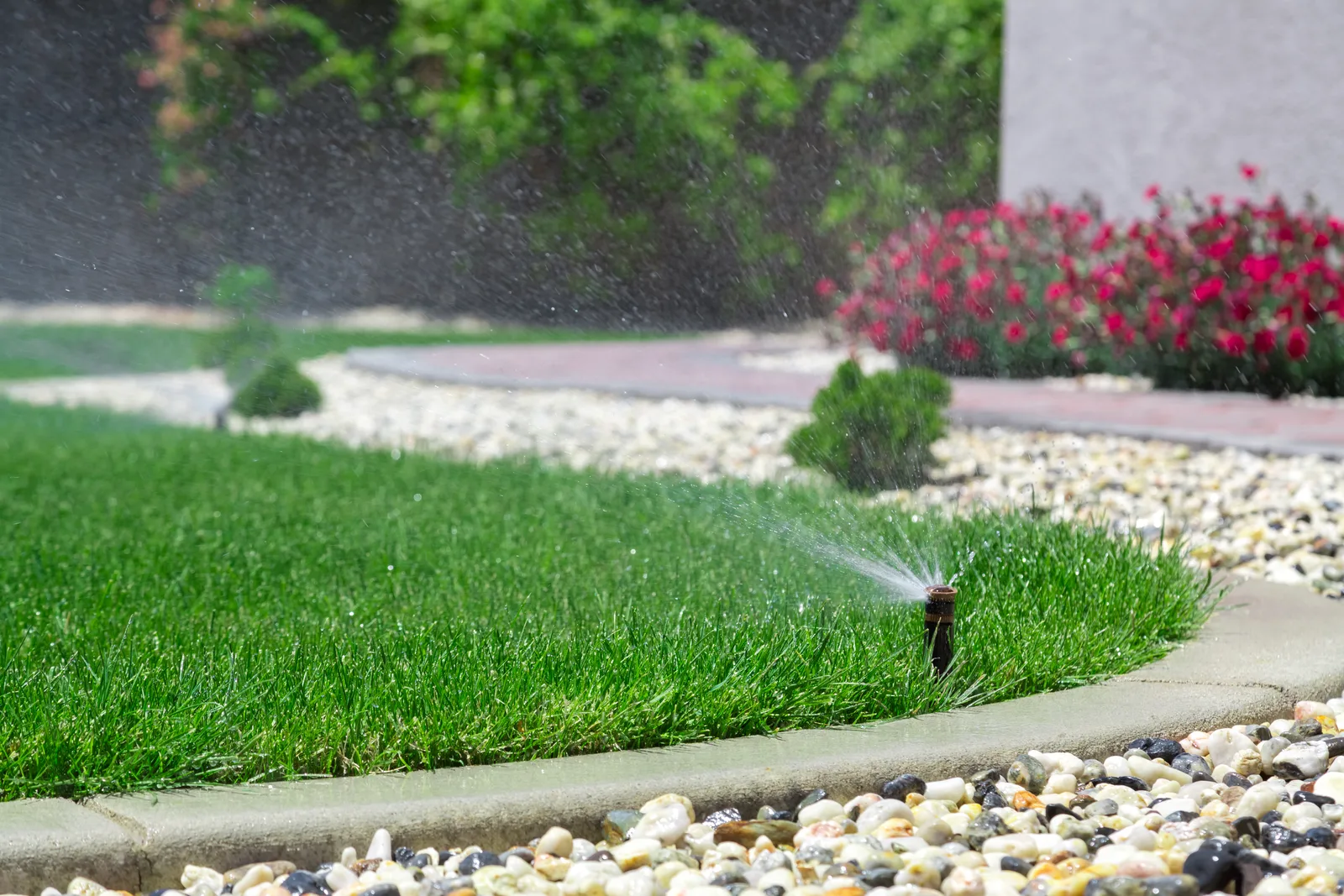
Checking the sprinkler
Planting changes where water is needed. Check blocked nozzles, coverage, leaks and drip emitters. New flowers may need different establishment care from an established lawn; one controller setting may not suit both.
Define the project
Lawn & Landcare installs annual flowers and renovates landscape beds. Send photos, approximate bed dimensions and your preferred colors, and identify any plants you want to retain. We can discuss selection, bed preparation and irrigation needs together, then clarify who will handle the display's ongoing care.