Define what you want the upgrade to change
An older sprinkler system does not automatically need to be replaced. It may need a repair, better coverage in a changed bed or controls that are easier to manage. Start with the problem you want solved, then evaluate which existing components can support that result.
Useful goals are specific: stop watering a sidewalk, reach turf now blocked by shrubs, manage schedules more conveniently or separate watering needs after a renovation. A request for a smart system is less informative until the equipment, landscape and desired functions are understood.
Need a sprinkler repair?
Tell us which zone is leaking, watering unevenly or failing to turn on.
Request an irrigation visit (214) 293-3793Review operation before selecting new parts
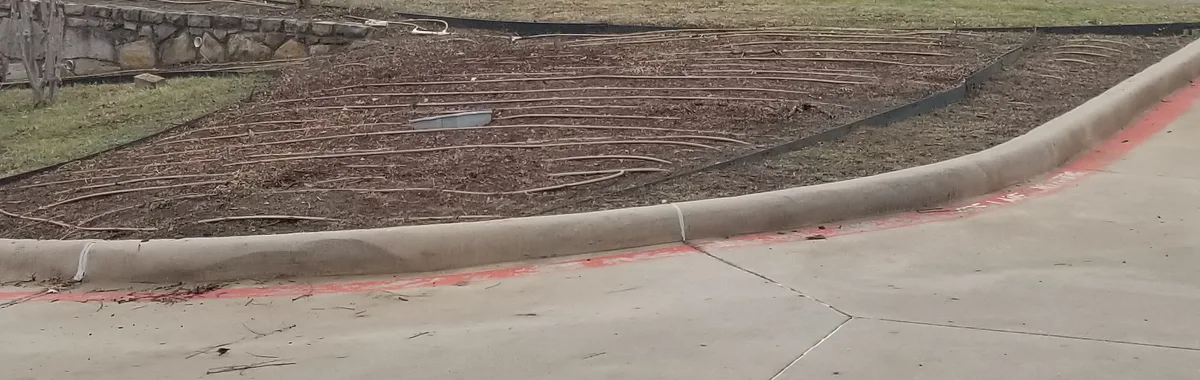
Have the existing system assessed for the concerns you have identified. Record the controller model, working zones, available system information and known repairs. Review leaks, valve operation and coverage before assuming a new controller will correct them.
Compare the layout with the landscape that exists today. A bed may have expanded, trees may shade a formerly sunny lawn or a new path may divide an old zone. An upgrade should fit those changes. Equipment that works mechanically can still be poorly placed for the current planting.
Ask the proposal to distinguish a fault requiring repair from an optional improvement. This makes it easier to approve necessary work now and consider other changes separately.
Match coverage changes to the whole zone
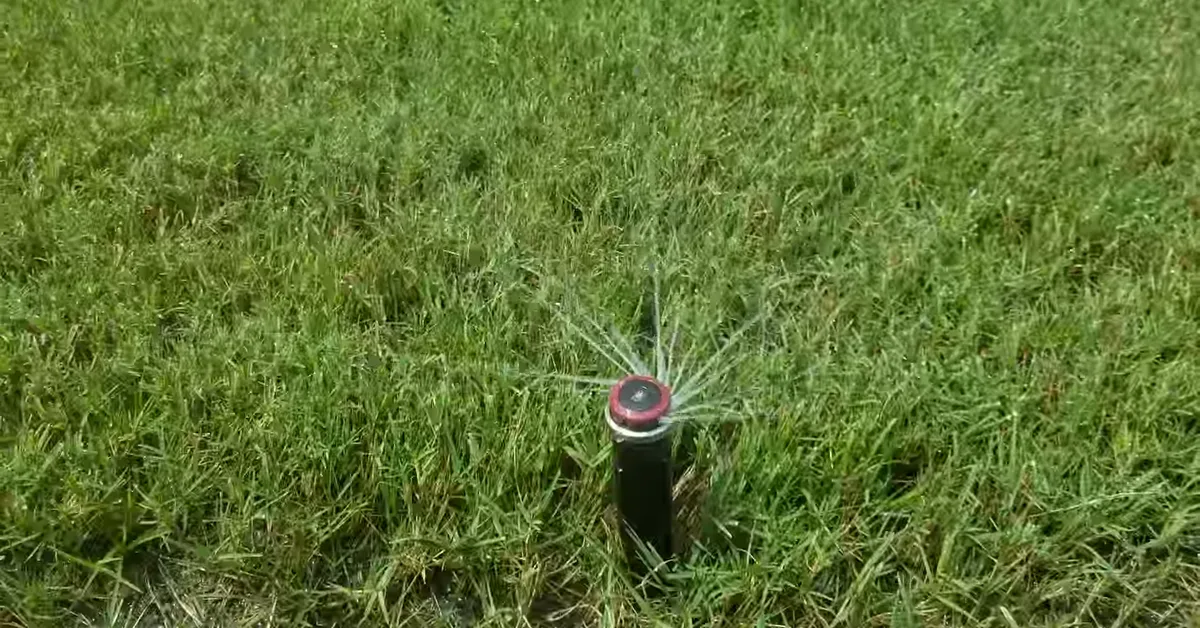
Sprinkler bodies, nozzles, spacing and operating pressure work together. Excess pressure can contribute to misting and uneven application. Pressure-regulating spray bodies can help where their specification suits the measured conditions, but they do not create missing supply pressure or repair a leak.
Changing only one nozzle type can alter how that part of the zone applies water. Ask how replacement heads and nozzles will work with the rest of the zone, and whether spacing or layout also needs attention. Compare the finished operating pattern, not just the number of new parts.
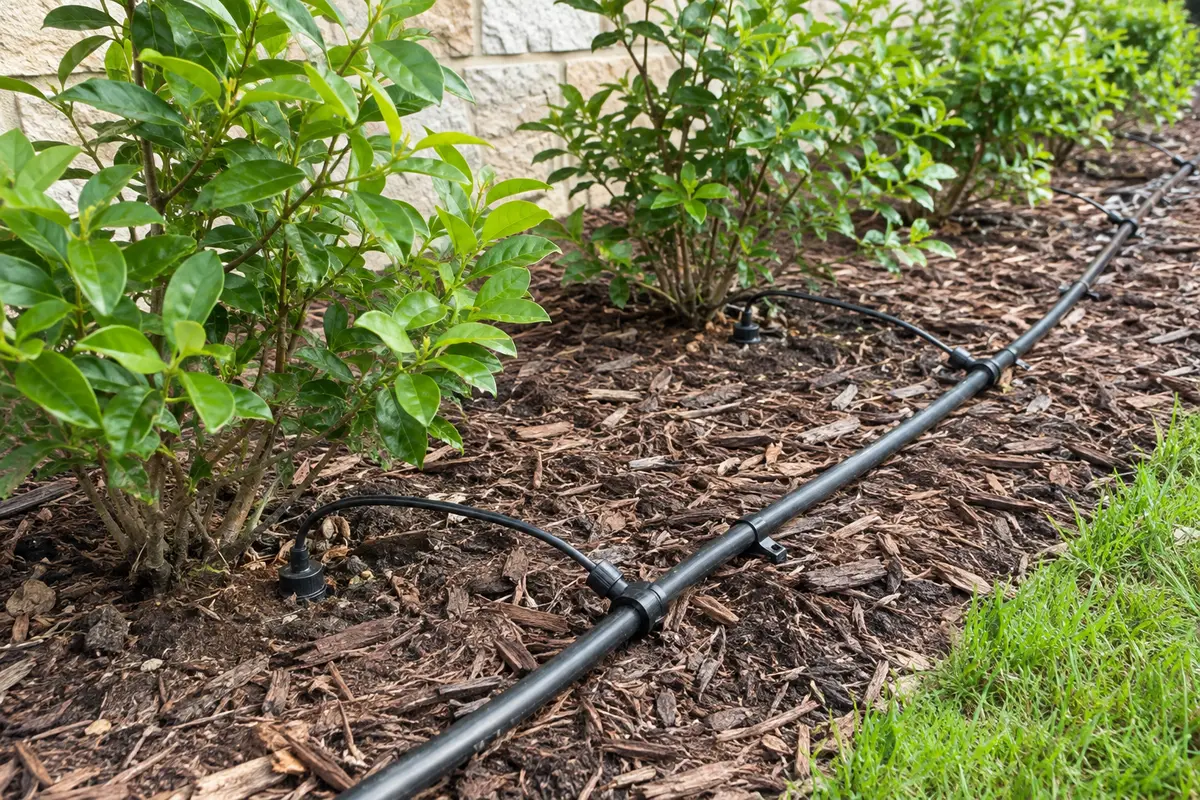
If a planted bed would benefit from drip irrigation, review its watering needs and the equipment required for that design. A conversion may require suitable filtration, pressure control and changes to zoning or piping. It is not simply a matter of attaching drip tubing to any available sprinkler.
Choose controls for compatibility and everyday use
Weather-based controllers use weather information and site settings to adjust irrigation scheduling. Some systems allow a compatible add-on; others need a different controller. The exact model, version, station needs and accessory support determine what is possible.
Check connectivity at the installed location if remote access is a priority. Confirm network requirements, account ownership and who will be able to change settings. Also ask how normal local operation works and what functions depend on a connection. A convenient app is useful only when the person maintaining the property can use it reliably.
Sensor options also depend on compatible equipment and setup. Request the specific proposed combination rather than assuming that every controller accepts every sensor. Manufacturer documentation should support the intended configuration.
Any schedule must still reflect plant needs and applicable local watering requirements. New controls do not remove the need to verify settings, observe the landscape and adjust when conditions change.
Phase the upgrade around useful results
A practical first phase might correct a fault and restore coverage in the affected area. A later phase could update controls or adapt irrigation to a planned bed renovation. Coordinate those decisions so a newly installed component is not displaced by the next project.
Ask each phase to identify the components retained, items replaced, setup work and checks included. If the system's condition prevents a reliable conclusion about part of the upgrade, record the further assessment needed. Age alone is not enough information to choose between targeted work and more extensive changes.
Keep performance claims specific to the problem. Correcting overspray or a documented leak addresses an observed source of waste; it does not establish a fixed reduction in every property's water bill.
Include setup and a usable handoff
Before authorizing work, ask how the revised zone labels, controller settings and operating instructions will be handed over. Have the affected areas observed after the agreed changes and clarify who will make later seasonal adjustments. The upgrade should leave you with a system you understand as well as new components.
Lawn & Landcare offers repairs, tuneups and modernization for existing irrigation systems. Send the controller model, photographs and the changes you want to achieve. We can discuss compatible improvements in the context of the system you already have.
Common questions
Can an older controller be upgraded without replacing it?
Some models support compatible add-on equipment or a supported component upgrade. Others do not. Identify the exact model and version first, then check the manufacturer's current requirements for the function you want.
Will a new controller fix weak sprinkler coverage?
Not necessarily. Weak coverage can involve pressure, supply, leaks, valves, nozzles or layout. Diagnose the delivery problem before relying on control changes to solve it.
Should irrigation upgrades happen before a landscape renovation?
Plan them together. Complete necessary repairs and underground changes at the appropriate stage, then adjust coverage and schedules for the finished planting. The sequence depends on the renovation and existing system.