Spring timing is more than a calendar date
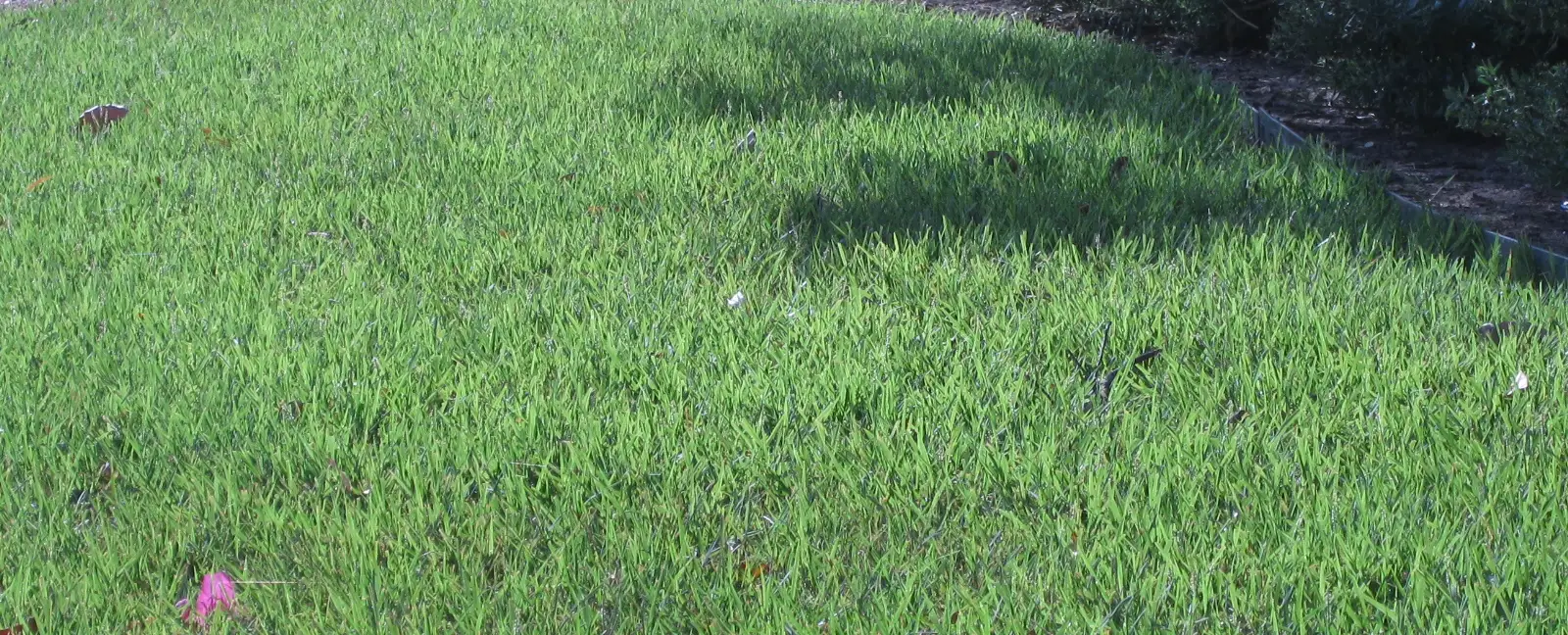
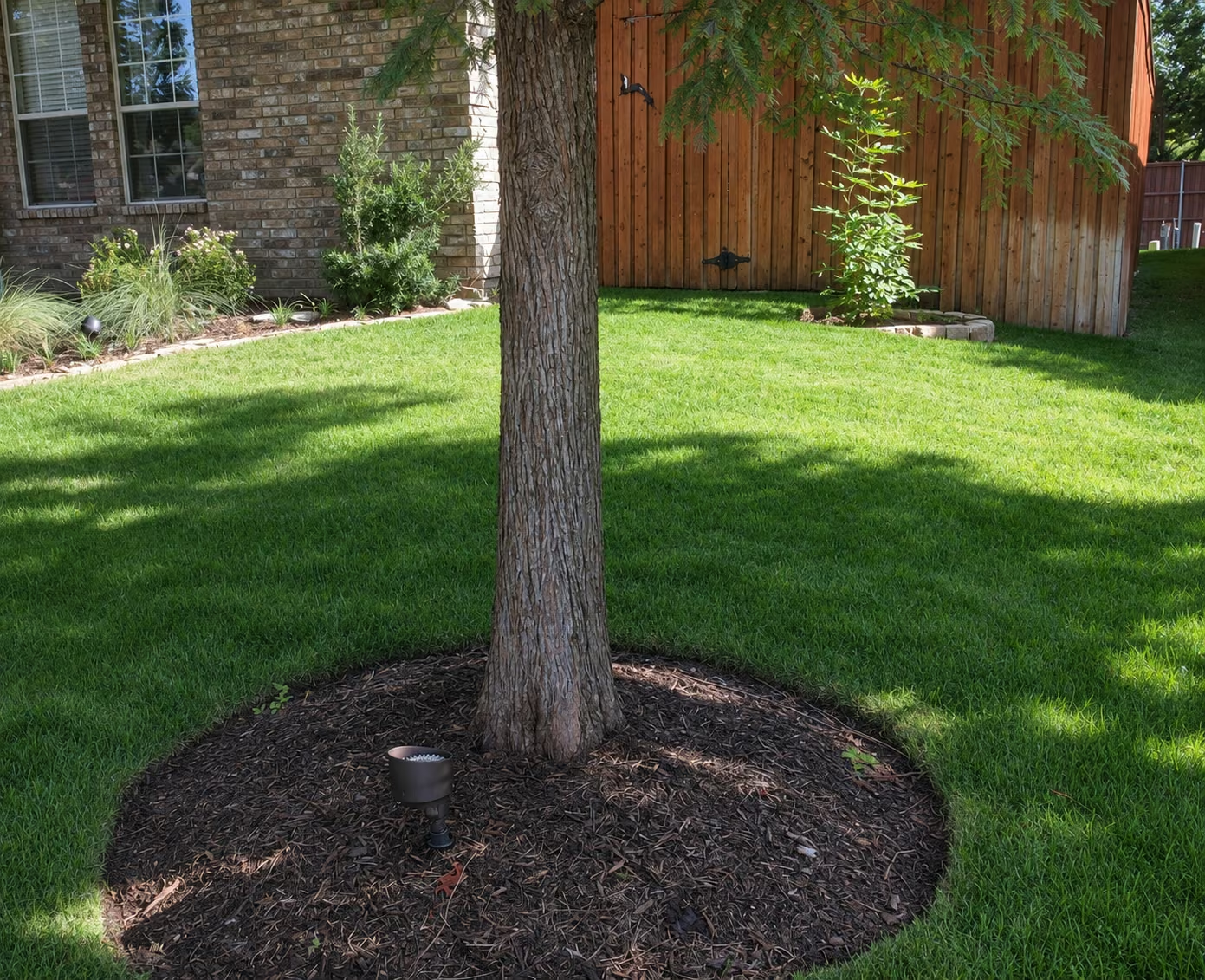
North Texas lawns commonly use warm-season grasses such as Bermuda, St. Augustine and Zoysia. Their growth responds to warming conditions, with timing varying by species, site and weather. A green weed population does not mean dormant turf is ready for nitrogen.
Spring is a useful time to review lawn care, but fertilization and weed control are different decisions. Their appropriate timing may not match. Identify the desired grass, the target weeds and current conditions before selecting a product.
Finding the right fertilizer
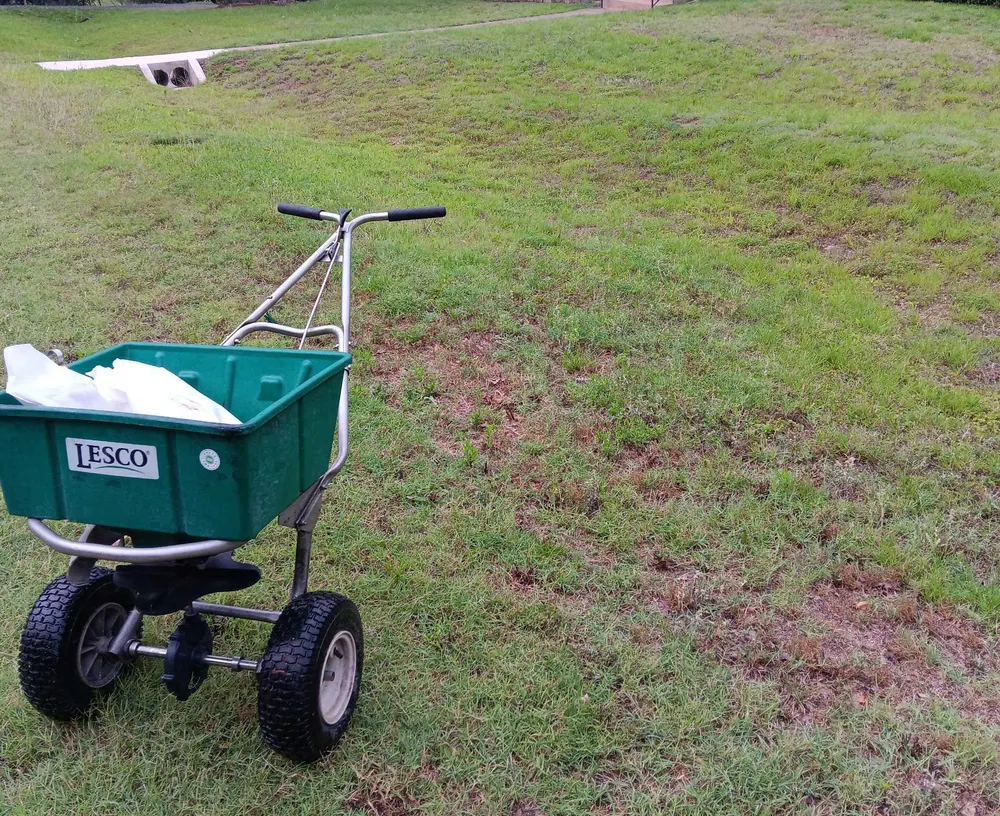
Fertilizers supply nutrients; they do not replace light, suitable moisture or healthy roots. Use soil testing and the grass's needs to guide nutrients other than nitrogen, and consider growth and past applications when planning nitrogen. Phosphorus should not be added automatically because a bag is labeled starter or spring fertilizer.
A universal nitrogen rate does not fit every spring lawn. Appropriate rates depend on grass, formulation, seasonal plan and conditions. Measure the actual lawn area and follow the product directions rather than treating lot size as turf area.
Wait for appropriate growth
Warm-season turf needs active growth to use nutrients effectively. Calendar months alone do not establish readiness, particularly after a cold spring. Fertilizing stressed or dormant grass to force green color can miss the underlying problem.
Inspect thin areas for shade, traffic, drainage, irrigation, disease and insects. More fertilizer is not a diagnosis. Keep product off hard surfaces and use suitable application conditions according to directions.
Pre-emergent and post-emergent weed control
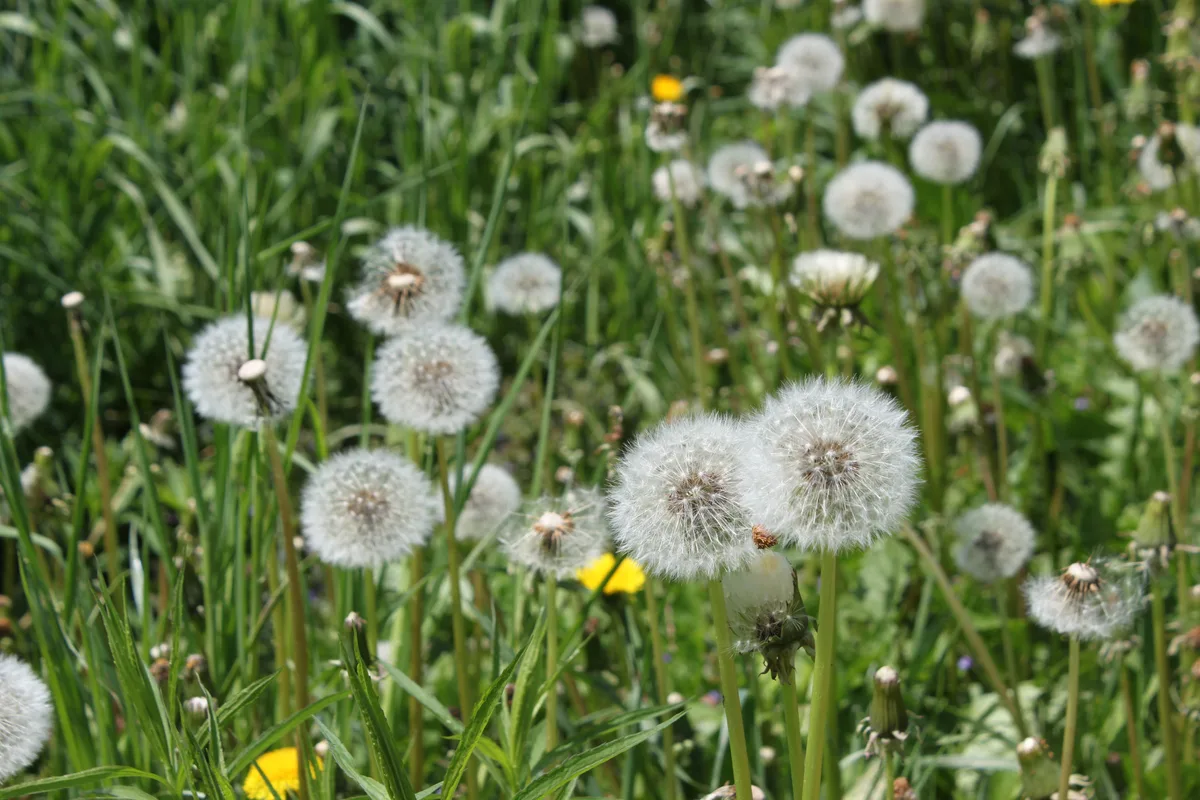
Pre-emergent herbicides are intended to act before target weeds establish. Post-emergent products address weeds already growing. One material does not control every weed, and timing depends on the target weed, local conditions and the specific label.
Grass species and nearby plants matter to product choice. Temperature limits, rainfall, watering and intervals before planting seed or sod can affect use. A generic soil-temperature guideline does not establish an application date for every property.
Grub work has its own timing
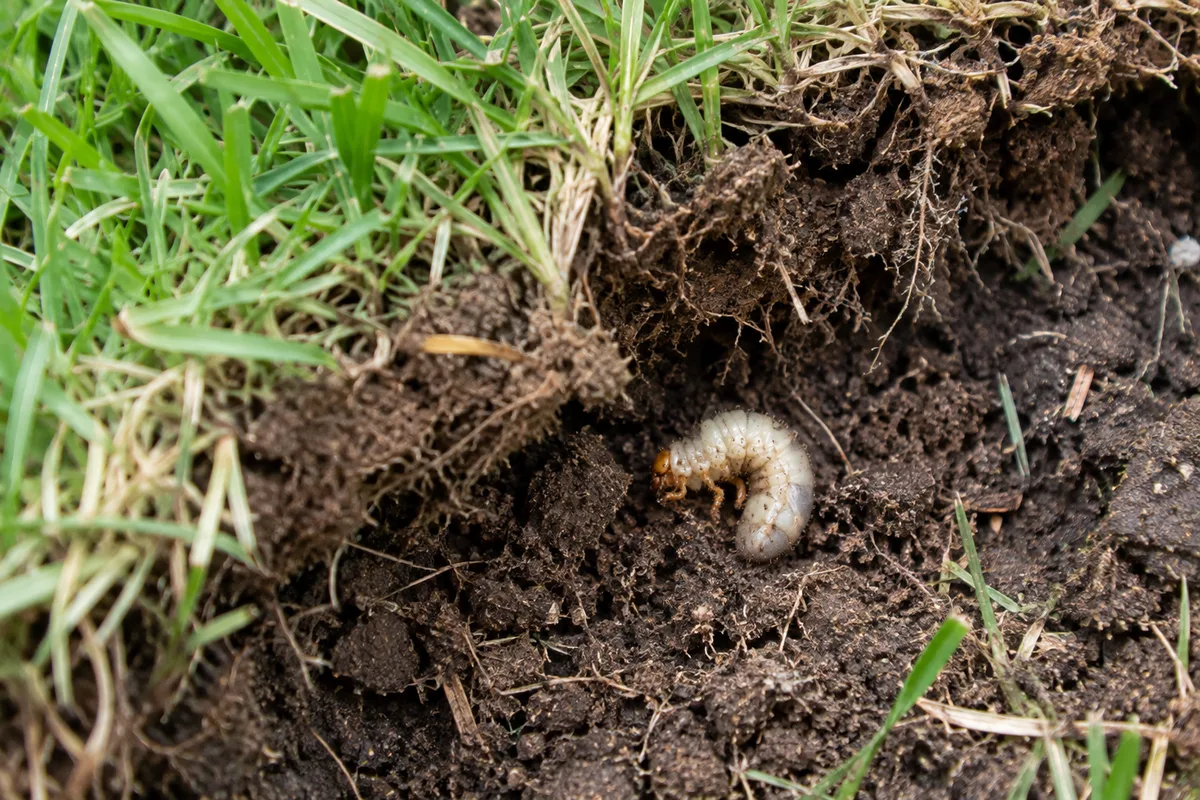
An early-spring fertilizer or weed application is not automatically the correct time for grub control. The damaging species, life stage, lawn history and selected product determine that decision. Young-grub timing in North Texas can fall much later than the first spring lawn treatments.
Not all lawns need preventive grub insecticide. Confirm evidence or recurring risk and discuss a separate appropriate turf-insect service rather than treating every brown area for grubs.
Understand the Lawn & Landcare program
Lawn & Landcare's lawn treatment program has eight applications. The number describes the program, not eight identical fertilizer doses. Fire ant, fungal, turf-insect and liquid-aeration services are appropriate add-ons discussed according to need.
A proposal should identify the included program and additional work, with instructions for the actual products. Continue observing the lawn so new or persistent weeds, disease and insect symptoms can be assessed.
Prepare for a useful discussion
If weeds are becoming harder to manage or you want a planned approach to lawn nutrition, ask Lawn & Landcare about the eight-application fertilizer and weed-control program. Send the address, grass type if known, photos and any recent product use. Include recurring thin or wet areas so those concerns can be considered alongside the treatment plan.